Granular access fees as a new tourism policy instrument
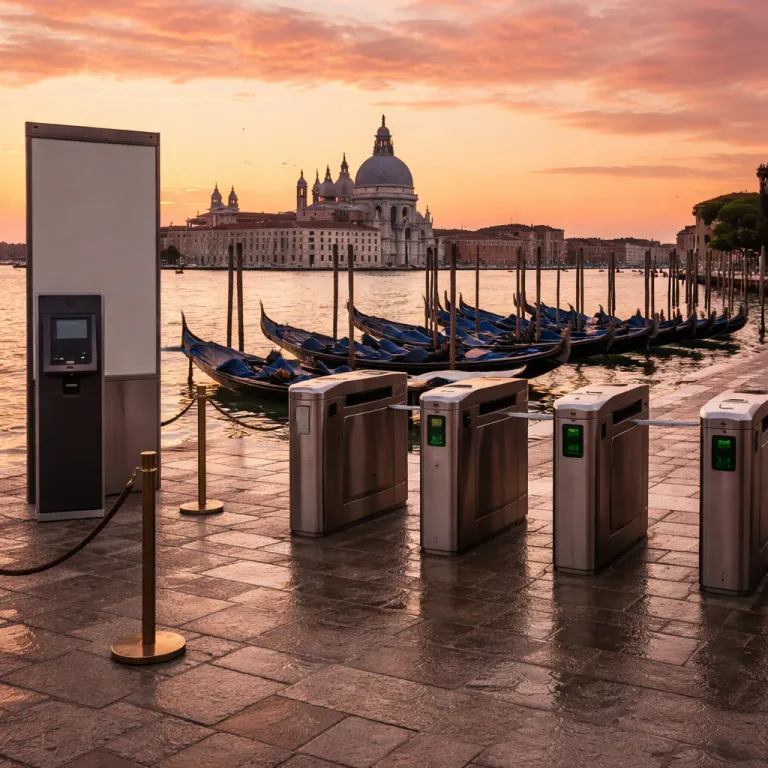
Venice’s access fee has shifted the global tourism policy debate from abstract overtourism rhetoric to concrete visitor management mechanics. After several years of discussion, the city council approved the measure in 2023 and launched the first paid trial on 25 April 2024, using a granular calendar rather than a blanket charge. The fee applies on specific high-pressure dates and during set daytime hours only (generally 8:30–16:00), which turns the measure into a precise management tool instead of a symbolic tax on travel tourism. For offices de tourisme and regional agencies, this design choice shows how destination management can align local economic growth with environmental protection and sociocultural stability in a single, data-rich framework.
From next season, Venice will extend the access fee to 60 days, covering Friday to Sunday in April, May, June and July, as part of a wider Italian overtourism management framework coordinated with national government agencies and the private sector. In 2024 the Comune di Venezia reported more than 120,000 bookings on the online access portal during the first pilot phase, alongside several million euros in expected gross revenue earmarked for cleaning services, public transport and heritage maintenance, according to municipal budget notes. This approach treats the visitor economy as a system where responses must be calibrated to specific pressure points in the city, rather than punishing all tourists and every tourist visit equally across the year. For other countries and regions, the message is clear: policies that target peak day tripper flows can protect local communities while keeping the wider tourism industry open for long term development tourism and higher value overnight stays.
Behind the scenes, Venice’s government and tourism organizations have used legislation, regulation and strategic planning to embed the fee into a broader policy package that includes infrastructure development and marketing campaigns. The access fee is only one element in a wide range of management instruments, but it has become the most visible signal that visitor spending contributes to both city finances and environmental protection when designed carefully. Municipal budget documents and port authority reports now track how tourism contributes to specific expenditure lines, from waste collection around the historic centre to crowd management at cruise terminals. As one expert summary puts it, “What is tourism policy? A framework of rules and strategies guiding tourism development.” and “Why is tourism policy important? Ensures sustainable and beneficial tourism growth.” and “Who develops tourism policies? Government agencies, often with stakeholder input.” which is exactly the governance model Venice is now testing in real time.
What Venice measured, what it reports, and why resident sentiment now leads
For regional tourism advisory boards, the real innovation in Venice is not the fee itself but the metrics behind it. Authorities have tracked visitor numbers by hour, origin markets, travel purpose and spend, alongside resident complaints, public transport load and social media sentiment, creating a detailed picture of how aspects tourism pressure shift when a price signal is introduced. This level of management data allows the city and the tourism sector to compare responses on fee days versus non fee days, and to understand how tourism contributes to or relieves pressure on local services.
Public communication has focused on headline numbers of tourists and tourist arrivals, yet internal dashboards reportedly go further, segmenting travel tourism into day trippers, cruise passengers and overnight guests. For a hotel general manager or a local tourism industry leader, this matters because policy will increasingly differentiate between high value, low impact visitors and low spend, high impact flows, with direct implications for revenue management and staffing. Resident sentiment has quietly become a core KPI, as city council leaders know that social licence for development tourism can vanish if local communities feel ignored by government policies and by the private sector. As one resident interviewee told a municipal survey team, “We are not against visitors, but we need rules so that daily life, from taking the vaporetto to shopping for food, remains possible for those who live here all year.”
Venice’s experience also highlights spillover risk, as some day trippers shift to unpriced neighbouring cities, exporting environmental and sociocultural impacts without any matching tourism policy tools in place. Regional offices de tourisme need coordinated responses so that one city’s protection measures do not simply displace pressure to another city that lacks the same management capacity. Enforcement logistics have therefore become part of the policy discussion: entry points such as Piazzale Roma, the Santa Lucia railway station and main vaporetto stops now feature QR code checks and random inspections by municipal staff, while exemptions for residents, workers, students and overnight guests are listed on public notices and digital infographics. Legal frameworks around visitor charges, such as those governing city taxes or resort levies, show how fragmented regulations can confuse tourists and weaken gender equality and women’s empowerment objectives when enforcement varies between countries and regions.
Adapting access fees for regional destinations and inclusive governance
Most regions do not have Venice’s brand power, so copying its access fee without adaptation would be a strategic error. A smaller city or rural destination must embed any fee inside a broader tourism policy that clearly reinvests revenue into sustainable tourism, environmental protection and social infrastructure for local communities. Transparent communication about how tourism contributes to public services, from transport to cultural venues, is essential if both residents and tourists are to accept new policies that affect travel behaviour. Simple callouts, such as graphics showing daily visitor counts or pie charts of how fee income is allocated, can make complex governance choices easier to understand.
For offices de tourisme, the priority is to build public private governance platforms where the private sector, city council, government agencies and tourism organizations co design responses. These platforms should integrate tourism advisory panels that include women leaders, youth representatives and civil society, ensuring that gender equality and women’s empowerment are not afterthoughts but central criteria in tourism sector decisions. When women from the tourism industry and from local communities sit at the same table as hotel GMs and tour operators, the sector can better anticipate sociocultural impacts and long term development needs.
Regional DMOs can also learn from destinations that manage a wide range of tourism models, such as South Africa’s mix of urban, wine, nature and cultural products, where strategic insights into destination management show how tourism policy shapes both economic growth and conservation. Clarifying roles between tourist offices and travel agencies helps align visitor information, product packaging and on the ground management, so that every tourist understands local rules and supports sustainable tourism goals. Over time, such integrated governance models ensure that tourism, in all its forms, remains a driver of balanced development tourism across countries, cities and regions, rather than a source of unmanaged pressure on people and places.
Key statistics shaping tourism policy and governance
- Global tourism contribution to GDP is estimated at 10.4 %, underlining how strongly the tourism industry and tourism sector support economic growth in many countries, based on World Travel & Tourism Council assessments.
- International tourist arrivals reached around 1.5 billion according to UNWTO’s pre pandemic reporting, showing the scale at which tourism contributes to local and national economies and the urgency of effective tourism policies.
Frequently asked questions on tourism policy and destination governance
What is tourism policy?
Tourism policy is a structured framework of rules, strategies and management tools that guides how tourism develops in a city, region or country. It defines how government agencies, the private sector and local communities share responsibilities for environmental protection, sociocultural cohesion and economic growth. In practice, a robust tourism policy aligns visitor flows, infrastructure investment and resident wellbeing over the long term.
Why is tourism policy important?
Tourism policy is essential because tourism contributes significantly to GDP, jobs and local tax revenues, but unmanaged growth can damage heritage, ecosystems and social cohesion. Clear policies allow destinations to shape travel tourism patterns, protect vulnerable sites and ensure that benefits reach women, youth and other groups in local communities. Without coherent tourism policies, responses to overtourism or crises tend to be reactive, fragmented and less effective.
Who develops tourism policies?
Tourism policies are usually developed by government agencies at national, regional or city council level, working with tourism organizations, the private sector and civil society. Offices de tourisme, development agencies and tourism advisory bodies provide data and expertise on aspects tourism such as visitor behaviour, seasonality and product gaps. Local communities increasingly participate through consultations and resident surveys, ensuring that policies reflect real needs and social expectations.
How can tourism policy support sustainable tourism?
Tourism policy can support sustainable tourism by setting clear limits on visitor numbers where necessary, incentivising low impact products and investing in public transport and green infrastructure. It can also require the tourism industry and tourism sector to adopt environmental standards, promote gender equality and women’s empowerment in employment, and channel revenues into conservation and community projects. When policies are enforced consistently, sustainable tourism becomes a competitive advantage rather than a marketing slogan.
What role do local communities play in tourism governance?
Local communities are both stakeholders and rights holders in tourism governance, as they experience the daily impacts of tourists and travel tourism on housing, services and culture. Effective tourism policy gives residents a formal voice through consultations, participatory planning and representation on tourism advisory boards. Their feedback helps authorities and the private sector adjust management measures, ensuring that tourism contributes positively to quality of life and long term development tourism goals.