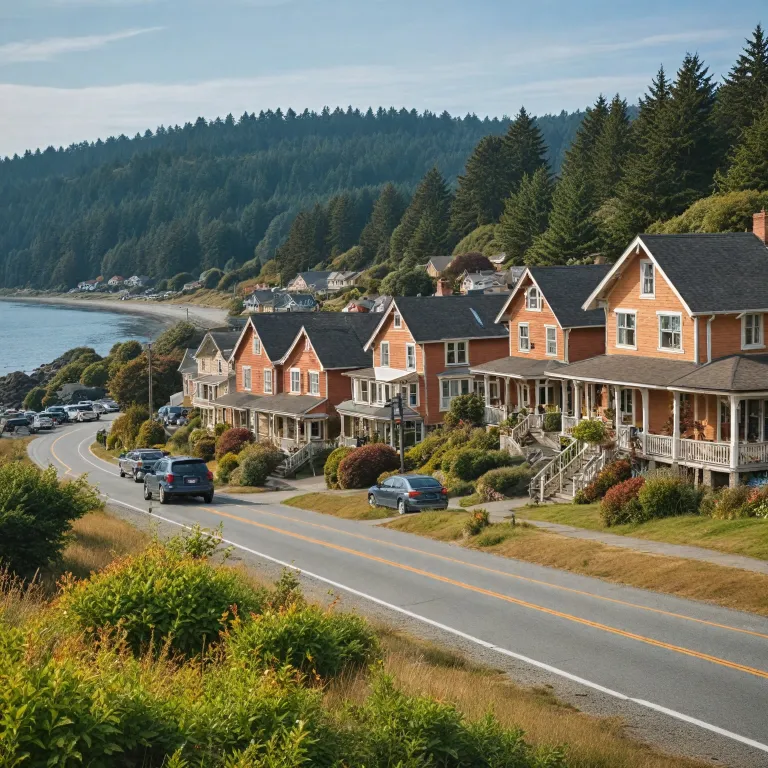
Understanding the unique character of towns on Whidbey Island, Washington
Whidbey Island, located in the heart of the Puget Sound, offers a mosaic of towns and communities, each reflecting the island’s rich heritage and evolving hospitality landscape. The towns on Whidbey Island, Washington, such as Oak Harbor, Coupeville, and Langley, serve as vital hubs for both local residents and visitors. Oak Harbor, the largest city, is home to the renowned Naval Air Station and a vibrant community of over 23,000 people. Coupeville, the county seat of Island County, is celebrated for its historic waterfront and preserved 19th-century architecture, making it a focal point for heritage tourism. Langley, often called the "Village by the Sea," enchants visitors with its arts scene, boutique shops, and panoramic views across the Saratoga Passage.
The area’s towns and villages, including Freeland, Clinton, Greenbank, Keystone, and San de Fuca, each contribute to the island’s cultural and economic vitality. These communities are strategically located miles apart, offering unique experiences from state park adventures to local festivals. The diversity of towns on Whidbey Island, Washington, is further enriched by their connection to the broader Pacific Northwest and their proximity to Camano Island and Port Townsend. As the hospitality industry evolves, these towns play a crucial role in shaping the visitor experience and supporting sustainable tourism initiatives across Island County, Washington State.
For offices de tourisme and regional stakeholders, understanding the interplay between local identity, state-level policy, and visitor expectations is essential. The integration of historical preservation, eco-friendly initiatives, and community-driven events ensures that the towns on Whidbey Island, Washington, remain attractive to both residents and visitors. The area’s parks, such as Deception Pass State Park and Double Bluff Beach, offer natural beauty and recreational opportunities that enhance the appeal of the region. The synergy between local businesses, cultural organizations, and government agencies fosters a dynamic environment where hospitality thrives, and rates start to reflect the growing demand for authentic experiences.
Heritage preservation and cultural tourism in Coupeville and beyond
Coupeville stands as a testament to the enduring legacy of the towns on Whidbey Island, Washington, with its well-preserved historic waterfront and status as the second-oldest town in the state. The town’s location on Penn Cove, along with its iconic wharf, provides a direct link to the island’s maritime history. Offices de tourisme and regional agencies have prioritized heritage preservation, recognizing that the unique character of Coupeville and neighboring towns is a significant draw for visitors seeking authentic cultural experiences. Local festivals, such as the Penn Cove Mussel Festival, celebrate the area’s maritime traditions and foster community engagement.
Langley, with its thriving arts community and walkable streets, exemplifies the integration of cultural tourism into the hospitality sector. The town’s galleries, theaters, and annual events attract both local and international visitors, reinforcing the importance of creative industries in regional development. Greenbank, known for its historic farm and community hub, demonstrates how rural towns on Whidbey Island, Washington, can leverage their agricultural heritage to support tourism and economic diversification. The preservation of historic sites and the promotion of local crafts are central to the region’s tourism strategy, ensuring that the area’s unique identity is maintained for future generations.
Regional actors, including elected officials and private stakeholders, collaborate to balance development with conservation. Initiatives such as interactive maps and virtual tours, supported by local government and community organizations, enhance visitor engagement and accessibility. The integration of Camano Island and Port Townsend into regional tourism circuits further expands the reach of the towns on Whidbey Island, Washington, fostering cross-county partnerships and shared promotional efforts. For more insights on regional tourism strategies, explore best practices for regional tourism development.
Economic development and hospitality trends in Oak Harbor and surrounding areas
Oak Harbor, as the largest city among the towns on Whidbey Island, Washington, plays a pivotal role in the region’s economic landscape. The presence of the Naval Air Station Whidbey Island drives both population growth and demand for hospitality services, influencing rates that start to reflect the city’s strategic importance. Local businesses, from hotels to restaurants, benefit from a steady influx of visitors, including military personnel and their families. The city’s proximity to Deception Pass State Park and its vibrant downtown area make it a popular destination for both leisure and business travelers.
The hospitality industry in Oak Harbor and neighboring towns is characterized by a focus on quality service, sustainable practices, and community engagement. Homes for sale in Oak Harbor and other towns on Whidbey Island, Washington, attract new residents seeking a balance between small-town charm and access to amenities. The area’s real estate market is influenced by the region’s appeal as a destination for both permanent relocation and vacation homes. The integration of local products and services into the hospitality offering enhances the visitor experience and supports the local economy.
Regional development agencies and offices de tourisme work closely with private actors to identify emerging trends and opportunities. The growth of eco-friendly accommodations, the promotion of local food and beverage producers, and the expansion of outdoor recreation options are key drivers of economic growth. The collaboration between Island County, Washington State, and the United States Navy ensures that the region remains resilient and adaptable to changing market conditions. For a detailed look at the economic impact of tourism in the area, visit Whidbey Island economic development overview.
Natural attractions and sustainable tourism across Whidbey and Camano islands
The natural beauty of the towns on Whidbey Island, Washington, is a cornerstone of the region’s appeal. Deception Pass State Park, located at the northern tip of the island, is renowned for its dramatic landscapes, hiking trails, and wildlife viewing opportunities. The park, along with Double Bluff Beach and other protected areas, attracts visitors from across the Pacific Northwest and beyond. Sustainable tourism initiatives, led by local and state agencies, aim to preserve these natural assets while accommodating growing visitor numbers.
Camano Island, situated just east of Whidbey, complements the region’s tourism offering with its own state parks, beaches, and rural charm. The integration of Camano Island into regional tourism circuits allows visitors to experience the diversity of the Puget Sound area, from bustling harbor towns to tranquil countryside. Local businesses and community organizations collaborate to promote responsible tourism practices, ensuring that the environmental impact of increased visitation is minimized. The use of interactive maps and digital resources helps visitors plan their trips and discover lesser-known attractions.
Island County, Washington, is committed to balancing economic development with environmental stewardship. The promotion of eco-friendly accommodations, outdoor recreation, and local food systems supports the long-term sustainability of the hospitality industry. Regional festivals and events, such as those held in Langley and Greenbank, showcase the area’s commitment to community-driven tourism.
Community engagement and the role of local stakeholders
Community engagement is a defining feature of the towns on Whidbey Island, Washington. Local stakeholders, including elected officials, business owners, and residents, play an active role in shaping the region’s hospitality landscape. Offices de tourisme and development agencies facilitate collaboration between public and private sectors, ensuring that tourism initiatives align with community values and priorities. The success of local festivals, markets, and cultural events is a testament to the strength of these partnerships.
Langley’s vibrant arts scene, Coupeville’s historic preservation efforts, and Greenbank’s community farm all illustrate the power of grassroots initiatives. Local organizations leverage their expertise to create unique visitor experiences, from art walks to farm-to-table dining. The integration of local products and services into the tourism offering not only supports the economy but also reinforces the region’s identity. The quote, “Oak Harbor is the largest town on Whidbey Island, with a population of over 23,000,” highlights the scale of community involvement in the area’s development.
Regional actors recognize the importance of inclusivity and accessibility in tourism planning. Efforts to engage underrepresented groups, promote diversity, and ensure equitable access to resources are central to the region’s strategy. The collaboration between Island County, Washington State, and community organizations creates a supportive environment for innovation and growth. The ongoing development of interactive resources and digital platforms enhances communication and fosters a sense of belonging among residents and visitors alike.
Real estate, homes for sale, and demographic trends in island communities
The real estate market in the towns on Whidbey Island, Washington, reflects broader demographic and economic trends. Homes for sale in Oak Harbor, Coupeville, Langley, and other communities attract a diverse range of buyers, from young families to retirees seeking a peaceful lifestyle. The area’s appeal is enhanced by its proximity to natural attractions, cultural amenities, and employment opportunities at the Naval Air Station and other local employers. Rates start to vary depending on location, size, and access to amenities, with waterfront properties commanding premium prices.
Demographic shifts, including an influx of new residents from the Pacific Northwest and beyond, are reshaping the region’s housing market. The demand for vacation homes and short-term rentals is driven by the area’s popularity as a destination for both leisure and remote work. Local governments and development agencies are working to balance growth with the preservation of community character and affordability. Initiatives to promote sustainable development, protect open spaces, and support local businesses are central to the region’s long-term success.
The integration of real estate trends into tourism planning allows offices de tourisme and regional stakeholders to anticipate changes in visitor demographics and preferences. The collaboration between public and private sectors ensures that new developments align with the region’s values and priorities. The ongoing monitoring of market conditions and the use of data-driven decision-making support the resilience and adaptability of the towns on Whidbey Island, Washington.
Strategic partnerships and future opportunities for regional tourism
The future of the towns on Whidbey Island, Washington, depends on the strength of strategic partnerships between local, state, and federal actors. Offices de tourisme, development agencies, and community organizations work together to identify opportunities for growth and innovation. The integration of technology, such as virtual tours and interactive maps, enhances the visitor experience and expands the reach of promotional efforts. The collaboration with neighboring regions, including Camano Island and Port Townsend, creates a unified approach to tourism development in the Puget Sound area.
Regional festivals, cultural events, and outdoor recreation initiatives provide a platform for showcasing the area’s unique assets. The promotion of local products, from artisanal foods to handcrafted goods, supports the growth of the creative economy and reinforces the region’s identity. The quote, “Langley is often referred to as the 'Village by the Sea' due to its seaside location and vibrant arts community,” underscores the importance of place-based branding in tourism marketing.
Looking ahead, the towns on Whidbey Island, Washington, are well-positioned to capitalize on emerging trends in sustainable tourism, experiential travel, and digital engagement. The ongoing commitment to heritage preservation, community involvement, and environmental stewardship ensures that the region remains a premier destination in the Pacific Northwest. The integration of best practices and the sharing of knowledge among stakeholders will drive continued success and resilience in the face of evolving challenges.
Key statistics on towns and communities of Whidbey Island
- Population of Oak Harbor: 23,000 people
- Year Coupeville was established: 1852
- Size of Greenbank Farm: 151 acres
Frequently asked questions about towns on Whidbey Island, Washington
What is the largest town on Whidbey Island?
Oak Harbor is the largest town on Whidbey Island, with a population of over 23,000.
Which town is known as the 'Village by the Sea'?
Langley is often referred to as the 'Village by the Sea' due to its seaside location and vibrant arts community.
What is the historical significance of Coupeville?
Coupeville is the second-oldest town in Washington state and is known for its well-preserved 19th-century buildings and historic waterfront.