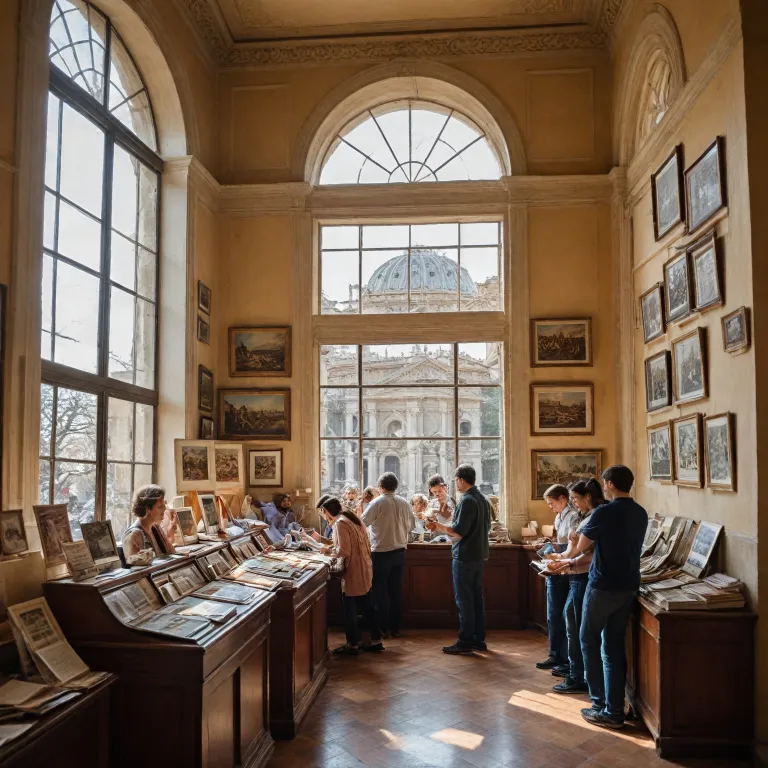
Understanding the essential role of tourist offices in Rome’s hospitality landscape
Rome stands as a beacon for global tourism, attracting millions eager to explore its ancient attractions and vibrant city life. The best tourist office in Rome serves as a critical point for visitors seeking guidance on tickets, tours, and day trips throughout the eternal city. These offices, strategically located at Termini Station, Via Marco Minghetti, Piazza Pia, and Via dei Fori Imperiali, offer comprehensive support for navigating Rome, Italy, and its renowned sites such as the Colosseum, Vatican Museums, and Castel Sant’Angelo. Tourist offices in Rome are more than simple information points; they are hubs for distributing Roma Passes, providing maps, and facilitating access to transportation tickets. Their multilingual staff ensures every tourist, whether interested in a walking tour of ancient Rome or a day trip to Florence, receives tailored assistance. The integration of digital tools and the official website further enhances the visitor experience, making it easier to plan tours, purchase tickets, and access audio guides for museums like the Sistine Chapel and Santa Maria Maggiore. In the context of Italy’s broader hospitality industry, the best tourist office in Rome exemplifies innovation and service excellence. Offices collaborate with partners such as ATAC and cultural institutions, ensuring seamless mobility and access to Italian heritage. For Directions des offices de tourisme, agencies, and private actors, understanding this model is vital for elevating regional tourism standards and meeting the expectations of today’s discerning travelers.Optimizing visitor journeys: From tickets to guided tours in Rome
The journey of a tourist in Rome often begins at a tourist office, where the process of acquiring tickets and planning tours is streamlined. The best tourist office in Rome provides up-to-date information on attractions, from the Colosseum to Castel Sant’Angelo, and offers a variety of ticketing options, including Roma Pass and MIC cards. These passes grant access to multiple museums, public transport, and discounts on guided tours, making them indispensable for both day trips and extended stays. Tourist offices also facilitate the booking of walking tours, big bus excursions, and audio-guided experiences, ensuring every visitor can tailor their exploration of Rome, Italy, to their interests. The official website acts as a digital extension of the physical Infopoints, allowing tourists to check schedules, purchase tickets, and plan their route through the city’s ancient streets. This seamless integration of online and offline services reflects the evolving expectations of modern travelers and the necessity for hospitality actors to adapt. For Directions des offices de tourisme and regional agencies, adopting similar ticketing and tour management systems can significantly enhance visitor satisfaction. By leveraging digital tools and maintaining strong partnerships with local attractions, offices can offer a comprehensive suite of services that rival those found in Rome. For further insights into optimizing visitor journeys, explore our detailed guide on improving tourist office digital services.Leveraging digital innovation for enhanced tourist engagement
Digital transformation has redefined the role of the best tourist office in Rome, making information and services more accessible than ever. The integration of mobile apps, real-time updates on the website, and digital ticketing platforms empowers tourists to plan their day, purchase tickets for attractions like the Vatican Museums and Sistine Chapel, and join walking tours or day trips with ease. This approach not only streamlines operations but also meets the expectations of tech-savvy visitors seeking instant access to information. Tourist offices in Rome have embraced these innovations, offering audio guides, interactive maps, and online booking for tours and tickets. The partnership with ATAC ensures that tourists can navigate the city efficiently, whether they are using a bus, metro, or tram. The digitalization of services extends to the Roma Pass, which can be purchased and activated online, providing immediate access to museums, ancient sites, and public transportation. For regional tourism actors, investing in digital infrastructure is essential for maintaining competitiveness and delivering a superior visitor experience. By analyzing the success of Rome’s tourist offices, agencies can identify best practices for integrating technology into their operations. For a comprehensive overview of digital innovation in tourism, visit our resource on digital transformation in hospitality.Strategic partnerships and collaborative networks in Rome’s tourism ecosystem
The effectiveness of the best tourist office in Rome is amplified by its strategic partnerships with transportation providers, cultural institutions, and local businesses. Collaborations with ATAC, for example, facilitate the sale and collection of transportation tickets, while partnerships with museums and heritage sites enable the distribution of Roma Pass and MIC cards. These networks ensure tourists have seamless access to Rome’s attractions, from the ancient Colosseum to the majestic Santa Maria Maggiore. Tourist offices also work closely with private tour operators, offering guided tours, walking tours, and day trips to destinations like Florence and the Vatican. This collaborative approach not only enhances the range of services available but also supports the broader goals of promoting Italian culture and heritage. The integration of digital tools further strengthens these partnerships, allowing for real-time coordination and improved visitor management. For Directions des offices de tourisme and regional stakeholders, fostering similar networks is crucial for delivering a holistic tourism experience. By building relationships with local actors and leveraging shared resources, offices can expand their service offerings and increase tourist engagement.Best practices for maximizing the value of tourist offices in Rome
To truly embody the best tourist office in Rome, offices must prioritize visitor satisfaction, operational efficiency, and continuous innovation. Key practices include providing multilingual support, maintaining extended opening hours, and offering comprehensive information on tickets, tours, and day trips. The use of digital platforms for ticket sales, tour bookings, and event updates ensures tourists can access services at any time, from anywhere in the city. Tourist offices should also focus on promoting lesser-known attractions alongside iconic sites like the Colosseum and Vatican Museums. By highlighting day trips to Florence, guided tours of ancient neighborhoods, and audio-guided walks through the city, offices can encourage tourists to explore beyond the usual routes. The integration of feedback mechanisms, both online and in-person, allows offices to continually refine their services and respond to evolving visitor needs. For regional tourism actors, adopting these best practices can lead to increased tourist engagement and positive experiences. Offices that invest in staff training, digital tools, and strategic partnerships are better positioned to meet the demands of today’s travelers. For actionable tips on maximizing the value of tourist offices, see our comprehensive checklist in the next section.Expert insights and actionable recommendations for tourism professionals
Tourism professionals overseeing offices de tourisme and regional agencies must remain agile and responsive to the changing dynamics of the hospitality industry. The best tourist office in Rome demonstrates the importance of integrating digital innovation, strategic partnerships, and customer-centric services. As noted in the dataset, "Tourist Infopoints are located at Termini Station, Via Marco Minghetti, Piazza Pia, Via dei Fori Imperiali, and other key locations." Additionally, "They provide tourist information, maps, promotional materials, sell and collect Roma Pass and MIC cards, and assist with transportation tickets and itineraries." Finally, "Yes, they are open 365 days a year, typically from 9:00 AM to 7:00 PM." Tourism offices should regularly assess their service offerings, leveraging data and visitor feedback to identify areas for improvement. Emphasizing the promotion of Rome’s diverse attractions, from ancient ruins to contemporary museums, ensures tourists have a rich and memorable experience. By fostering a culture of innovation and collaboration, offices can set new benchmarks for excellence in the hospitality sector. For Directions des offices de tourisme, agencies, and private actors, these insights provide a roadmap for elevating service standards and enhancing the overall visitor journey. The lessons learned from Rome’s approach can be adapted and scaled to meet the unique needs of other regions, ensuring sustained growth and competitiveness in the global tourism market.Key statistics on tourist offices in Rome
- Number of Tourist Infopoints in Rome: 9 Infopoints (source: Turismo Roma)
Frequently asked questions about tourist offices in Rome
Where can I find a Tourist Infopoint in Rome?
Tourist Infopoints are located at Termini Station, Via Marco Minghetti, Piazza Pia, Via dei Fori Imperiali, and other key locations.
What services do Tourist Infopoints offer?
They provide tourist information, maps, promotional materials, sell and collect Roma Pass and MIC cards, and assist with transportation tickets and itineraries.
Are the Tourist Infopoints open every day?
Yes, they are open 365 days a year, typically from 9:00 AM to 7:00 PM.