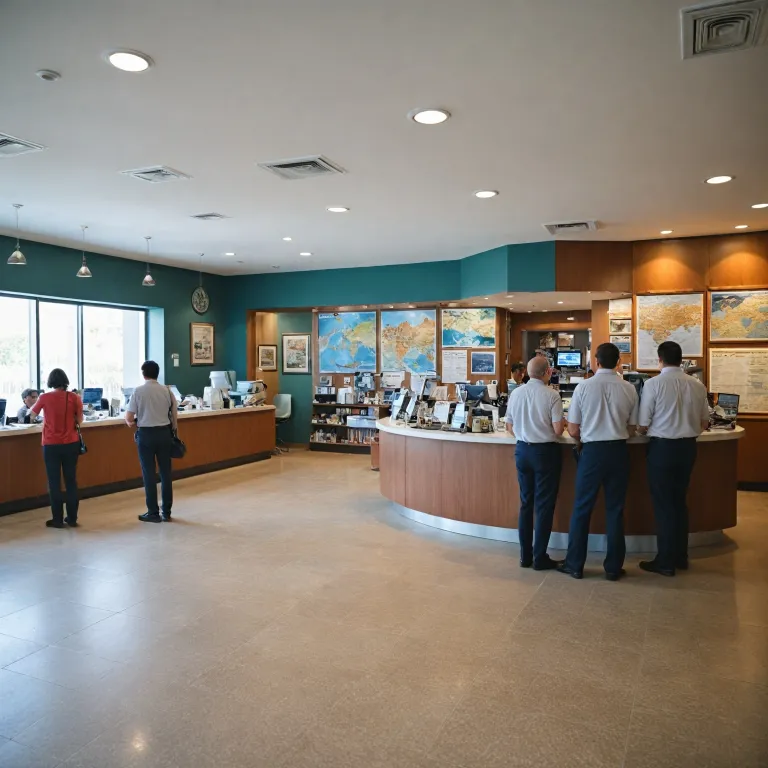
Strategic leadership from tourism boards: Shaping the hospitality industry’s future
Tourism boards and regional offices have become the architects of transformation within the hospitality industry. Their strategic leadership is evident in the development of comprehensive plans that address the evolving needs of travel, tourism, and hospitality businesses. By collaborating with local governments, private sector stakeholders, and community organizations, tourism boards ensure that hospitality management aligns with both economic and sustainable objectives. These partnerships foster innovation in hospitality services, from luxury travel experiences to sustainable tourism practices, directly impacting the competitiveness of local economies and the broader travel industry. A key element of hospitality industry support from tourism boards is the implementation of targeted programs and incentives. Grants, training initiatives, and advisory boards are deployed to strengthen the capabilities of hotels, restaurants, and resorts. The Singapore Tourism Board, for example, has updated its hotel industry initiatives to drive productivity and sustainability, while New Orleans & Co. has introduced a decade-long strategic plan to enhance destination marketing and customer service. These efforts are mirrored globally, with tourism boards and industry associations like UKHospitality and the U.S. Travel and Tourism Advisory Board championing sustainable practices and digital transformation across the hospitality sector.Driving sustainable tourism and hospitality: Regional boards as catalysts for change
Regional tourism boards are at the forefront of embedding sustainable practices within the hospitality industry. Their commitment to sustainable tourism is reflected in the promotion of eco-friendly travel experiences, responsible management of local resources, and the integration of green technologies in hospitality services. By prioritizing sustainability, these boards help hotels, restaurants, and resorts reduce their environmental footprint while enhancing the quality of travel hospitality for tourists. The impact of sustainable tourism initiatives extends beyond environmental benefits. Regional boards facilitate the adoption of sustainable practices that bolster local economies and preserve cultural heritage. Through programs like the Hotel Industry Digital Plan and Experience Step-Up Fund, tourism boards empower hospitality businesses to innovate and adapt. The result is a hospitality industry that is resilient, future-ready, and capable of delivering luxury travel experiences without compromising on environmental stewardship. For further insights on sustainable tourism strategies, explore our comprehensive guide to sustainable tourism development.Workforce development and training: Building expertise in hospitality management
A skilled workforce is the backbone of the hospitality industry, and tourism boards play a crucial role in workforce development. Through training and certification programs, such as the Training Industry Professionals in Tourism (TIP-iT) and the Hospitality and Tourism CTE Program, tourism boards ensure that hospitality management professionals are equipped to meet the demands of modern travel and tourism. These initiatives not only enhance customer service standards but also support the professional recognition of work experience across the hospitality sector. Tourism boards collaborate with educational institutions and industry associations to deliver comprehensive training that covers hospitality services, sustainable practices, and digital transformation. This collaborative approach addresses the needs of both luxury and mainstream hospitality businesses, ensuring that all segments of the industry benefit from continuous learning. The result is a robust pipeline of talent ready to drive innovation and excellence in hospitality travel, hotels, and restaurants. For a detailed look at how workforce development shapes the industry, visit our resource on hospitality workforce strategies.Digital transformation: Enhancing customer experiences and operational efficiency
Digital transformation is revolutionizing the hospitality industry, with tourism boards leading the charge in integrating technology into hospitality management. The adoption of smart rooms, robotics, and AI-powered guest experiences is becoming standard practice in luxury travel and mainstream hotels alike. These advancements improve operational efficiency, streamline customer service, and create memorable experiences for tourists. Tourism boards provide guidance and funding for digital initiatives through tools like the Hotel Industry Digital Plan and Business Improvement Fund. By supporting the digitalization of hospitality services, boards enable businesses to respond swiftly to changing traveler expectations and industry trends. This proactive approach ensures that the hospitality sector remains competitive within the global travel tourism landscape. For actionable strategies on digital transformation, see our article on digital innovation in hospitality.Collaboration and public relations: Strengthening destination marketing and local economies
Effective collaboration between tourism boards, local authorities, and private sector actors is essential for robust destination marketing and the growth of local economies. Tourism boards act as conveners, bringing together travel agencies, hotels, restaurants, and other hospitality businesses to create cohesive marketing campaigns that highlight the unique attributes of each destination. These efforts drive increased visitation, enhance the reputation of local destinations, and support the sustainable growth of the hospitality industry. Public relations initiatives led by tourism boards amplify the visibility of travel destinations, positioning them as attractive options for both luxury and sustainable tourism. By leveraging partnerships with industry associations and community organizations, boards ensure that the benefits of tourism and hospitality are distributed equitably across regions. This collaborative model strengthens the resilience of the hospitality sector and fosters a sense of shared purpose among all stakeholders.Measuring impact: Quantitative insights and continuous improvement in hospitality industry support
The effectiveness of hospitality industry support from tourism boards is best understood through quantitative analysis and ongoing evaluation. Key metrics such as tourism receipts, hotel occupancy rates, and employment figures provide valuable insights into the impact of tourism board initiatives. For instance, the Singapore hotel industry contributes 20% to tourism receipts, with 73,000 hotel rooms and 30,000 individuals employed in the sector. In Hillsborough County, tourism sustains 51,000 jobs and generates 7 billion USD for the local economy. Continuous improvement is a hallmark of successful tourism boards, as they regularly update strategic plans and adapt to emerging trends in travel, hospitality, and destination marketing. By monitoring performance and soliciting feedback from hospitality businesses and tourists, boards ensure that their support remains relevant and effective. As one expert notes, “Tourism boards develop strategic plans, offer grants and incentives, implement training programs, and collaborate with stakeholders to enhance the competitiveness and sustainability of the hospitality industry.” This commitment to excellence underpins the ongoing evolution of the hospitality sector and its vital role in the travel industry.Key statistics on hospitality industry support from tourism boards
- Singapore’s hotel industry contributes 20% to tourism receipts.
- There are 73,000 hotel rooms in Singapore, employing 30,000 people.
- Tourism in Hillsborough County sustains 51,000 jobs and generates 7 billion USD for the local economy.
Frequently asked questions about hospitality industry support from tourism boards
What is the role of tourism boards in supporting the hospitality industry?
Tourism boards develop strategic plans, offer grants and incentives, implement training programs, and collaborate with stakeholders to enhance the competitiveness and sustainability of the hospitality industry.
How does digital transformation impact the hospitality industry?
Digital transformation introduces technologies such as smart rooms, robotics, and AI-powered guest experiences, improving operational efficiency and guest satisfaction.
Why is sustainability important in the hospitality industry?
Sustainability ensures long-term viability of tourism by minimizing environmental impact, preserving cultural heritage, and meeting the expectations of eco-conscious travelers.
Trusted sources for further information
- https://www.stb.gov.sg
- https://www.ukhospitality.org.uk
- https://www.ustravel.org