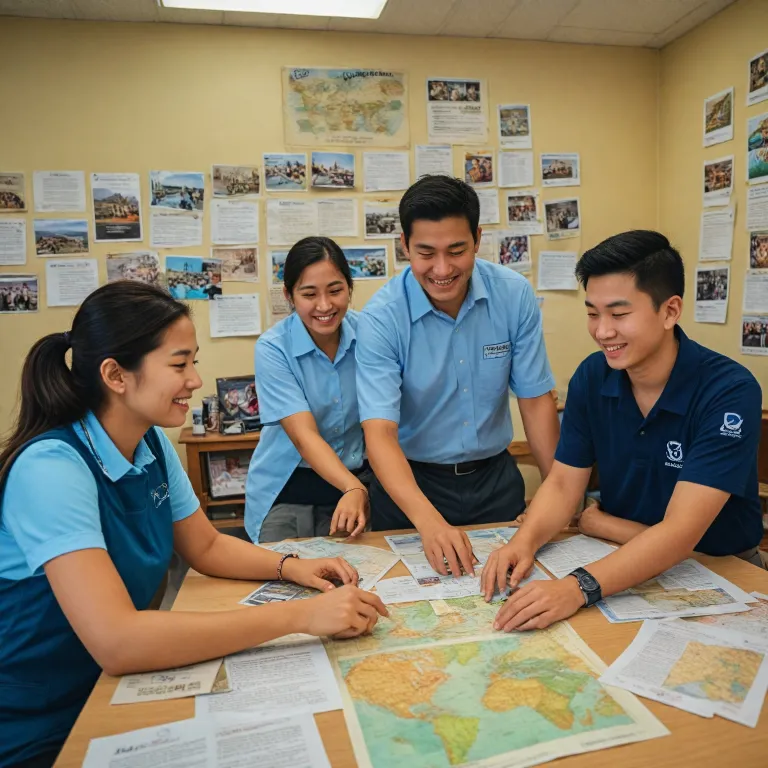
Multilingual support as a cornerstone of modern tourist offices
Tourist office multilingual assistance has become essential in the hospitality industry, especially for Directions des offices de tourisme, agencies, and private tourism actors. As travel becomes increasingly global, the demand for multilingual support and customer service in multiple languages is growing rapidly. Offices must ensure that their support teams are equipped to provide customer support in the preferred language of each visitor, whether that is Spanish, French, or another language.
Outsourcing customer support operations to specialized BPO companies can help offices manage the complexity of multilingual services. These companies offer agents fluent in various languages, ensuring that every customer receives assistance in their native language. The integration of AI-powered solutions, as seen in Marbella Tourist Office, allows for real-time translation and support in up to 95 languages, significantly enhancing the travel experience for international customers.
Customer satisfaction is closely linked to the quality of multilingual customer service. Offices that provide comprehensive language support, both in-person and through digital channels, foster a welcoming environment for travelers from diverse backgrounds. This approach not only improves the overall travel experience but also strengthens the reputation of the city and region as inclusive destinations.
Outsourcing and technology: driving efficiency in multilingual support operations
Outsourcing customer support to BPO companies specializing in multilingual services is a strategic move for many tourist offices. These companies employ agents who are native speakers of multiple languages, enabling seamless communication with customers from around the world. The use of call centers and digital platforms ensures that support is available across various channels, including social media and online chat.
AI-driven language solutions are revolutionizing the way tourist offices deliver multilingual support. For example, the Marbella Tourist Office leverages AI to provide assistance in 95 languages, setting a new standard for customer service in the travel industry. This technology not only improves efficiency but also allows offices to scale their support operations without compromising quality.
Travel companies and real estate agencies operating in tourism hubs benefit from outsourcing multilingual support, as it enables them to focus on core business activities while ensuring high levels of customer satisfaction. For further insights on optimizing multilingual support in tourism, explore this comprehensive guide to multilingual customer service strategies.
Building a culturally inclusive travel experience through language services
Providing multilingual assistance is more than just translating words; it is about creating a culturally inclusive environment for all visitors. Tourist offices that employ native agents understand the nuances of different languages and cultures, which is crucial for delivering exceptional customer service. This cultural awareness enhances the travel experience and fosters positive interactions between visitors and local communities.
Services like TourismLang and Tourist Assists offer real-time interpretation and 24/7 multilingual support, ensuring that travelers receive help whenever they need it. These services are particularly valuable in emergency situations, where clear communication in the customer's preferred language can make a significant difference. The integration of such services into tourist office operations demonstrates a commitment to customer satisfaction and safety.
Travel agencies and companies that prioritize multilingual customer support are better positioned to attract and retain international customers. By offering services in multiple languages, they cater to the diverse needs of travelers and contribute to the overall success of the travel industry. For practical examples of cultural inclusion in tourism, visit this resource on best practices for multilingual support in tourism.
Leveraging digital platforms and social media for multilingual customer engagement
Digital platforms and social media have become vital tools for engaging with customers in their native languages. Tourist offices utilize these channels to provide timely information, answer queries, and resolve issues in multiple languages. This approach not only enhances customer satisfaction but also extends the reach of support services beyond physical office locations.
AI-powered chatbots and automated translation tools enable tourist offices to offer instant multilingual support on their websites and social media pages. These technologies ensure that customers can select their preferred language and receive accurate information at any time. The use of digital content, such as multilingual brochures and guides, further supports the needs of international travelers.
Travel companies and real estate businesses in the tourism sector are increasingly adopting digital solutions to streamline their support operations. By integrating multilingual customer service into their online presence, they create a seamless experience for customers across all touchpoints.
Training and development: empowering support teams for multilingual excellence
Continuous training is essential for support teams to deliver high-quality multilingual customer service. Tourist offices invest in language training programs and cultural awareness workshops to ensure that their agents can communicate effectively with customers from diverse backgrounds. This investment in human capital is key to maintaining high standards of service in the travel industry.
Outsourcing companies also prioritize the recruitment and training of native speakers to meet the specific needs of tourist offices. These agents are equipped to handle complex customer inquiries and provide personalized assistance in the customer's preferred language. The combination of skilled personnel and advanced technology creates a robust support system for travelers.
Customer satisfaction is directly influenced by the competence and empathy of support agents. By empowering their teams with the necessary skills and resources, tourist offices can enhance the overall travel experience and build lasting relationships with their customers. Ongoing professional development ensures that support operations remain agile and responsive to changing customer needs.
Measuring success: customer satisfaction and business impact of multilingual services
The effectiveness of tourist office multilingual assistance is measured by customer satisfaction and the positive impact on business outcomes. Offices track key metrics such as response times, resolution rates, and customer feedback to assess the quality of their support services. High levels of customer satisfaction lead to increased loyalty, positive reviews, and repeat visits.
Travel companies and agencies that excel in multilingual customer support gain a competitive advantage in the global market. The ability to communicate with customers in their native language builds trust and fosters long-term relationships. As stated in the dataset, "Tourist offices provide information on local attractions, accommodations, transportation, events, and often offer multilingual assistance to cater to international visitors." This commitment to service excellence is reflected in the growing demand for multilingual support across the travel industry.
By continuously improving their support operations and embracing innovation, tourist offices and their partners can ensure that every visitor enjoys a memorable and inclusive travel experience. The integration of multilingual services into all aspects of customer engagement is essential for the sustained growth and success of the tourism sector.
Key statistics on multilingual assistance in tourist offices
- Number of languages supported by Marbella's AI-powered tourist office: 95 languages
- Percentage of Chinese language requests at Okinawa's Multilingual Contact Center: 70%
Frequently asked questions about tourist office multilingual assistance
What services do tourist offices typically offer?
Tourist offices provide information on local attractions, accommodations, transportation, events, and often offer multilingual assistance to cater to international visitors.
How can I find multilingual assistance when traveling?
Many tourist information centers offer multilingual services. Additionally, apps like TourismLang provide real-time interpretation, and some destinations have AI-powered assistance systems.
Are there any 24/7 multilingual support services for tourists?
Yes, services like Tourist Assists offer 24/7 multilingual assistance covering various needs such as emergency help, language translation, and booking assistance.