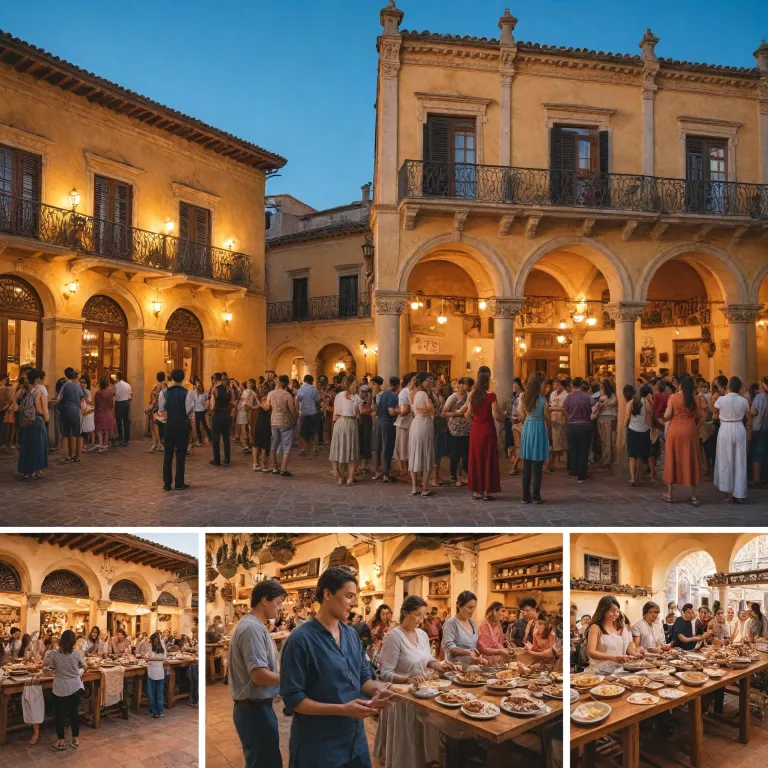
Positioning student trips to Spain as a strategic regional opportunity
For regional tourism boards, student trips to Spain represent far more than seasonal traffic. They are long term investments in future visitors, international ambassadors, and qualified advocates for Spanish culture. When offices de tourisme align their strategies with school trip demand, they help regions move from passive hosting to active co creation of educational value.
Spain has become a reference destination for student trips, with language tourism now a structural pillar of the visitor economy. The steady rise of student trips to Spain is closely linked to immersive programs Spain has developed around Spanish language and culture. For destinations, this means that every educational tour is also a soft power tool, reinforcing the image of Spain as a safe, welcoming, and intellectually stimulating country.
Regional actors must therefore treat each school trip as a curated cultural immersion rather than a low margin group booking. By working with FEDELE affiliated schools and Erasmus+ partners, offices can integrate local travel programs into broader spain programs that extend beyond the classroom. This approach allows regions to position their own heritage, gastronomy, and creative industries at the heart of student trips, not as optional extras.
For elected officials and development agencies, the stakes are clear and measurable. Language tourism brings students who stay for many days, often close to the 49 days average for study abroad trips, generating stable revenue for accommodation, food, and local services. Well designed student trips to Spain also stimulate repeat visits, as former school students later return with families or as high value cultural travelers.
Designing educational tours that connect cities, regions, and curricula
To fully leverage student trips to Spain, tourism offices must think like curriculum designers. A coherent educational tour links madrid, Barcelona, and secondary cities through themes that resonate with school programs and high school learning objectives. When trips Spain are structured around history, language, and culture, they become easier to sell to teachers, parents, and institutional decision makers.
In madrid, students can engage with royal history, civic spaces, and contemporary Spanish culture in a compact urban setting. Barcelona offers a contrasting narrative, where architecture, maritime trade, and Catalan identity enrich cultural exploration for school students. By combining both cities in a single trip Spain, tourism offices can propose multi regional travel programs that distribute benefits across territories.
Regional agencies should also look beyond the capital cities to highlight lesser known destinations within spain programs. Linking coastal towns, inland heritage sites, and rural communities to school trips creates new visitor flows and supports balanced development. Insights from strategies for sustainable travel and regional development can be adapted to the Spanish context, ensuring that student trips support long term territorial cohesion.
To secure adoption by schools, every educational tour must clearly articulate learning outcomes. Offices can co create teaching packs that connect local visits to language skills, history modules, and civic education. When teachers see that school trips and spain school experiences reinforce official curricula, they are more likely to repeat the same travel programs year after year, turning one off student trips into recurring regional business.
Building robust partnerships with language schools and universities
Language tourism is now a sophisticated ecosystem, and tourism offices must position themselves as conveners. FEDELE, the Spanish Federation of Associations of Spanish Schools, provides a quality framework that reassures schools and parents about educational standards. By mapping FEDELE affiliated centers across regions, offices can align student trips to Spain with accredited Spanish language programs and robust safeguarding policies.
Universities and Erasmus+ initiatives add another layer of opportunity for long term student trips. Many high school groups now view short school trips as a first step toward later study abroad, internships, or Erasmus+ exchanges. When regional tourism boards coordinate with universities, they can design spain programs that accompany learners from early school trip experiences to advanced cultural immersion.
Tourism offices should also collaborate with local authorities, transport operators, and private actors to create integrated travel programs. A well structured educational tour might combine morning language classes, afternoon cultural exploration, and evening community activities. Guidance from tourism office strategies for safe and enriching journeys can be adapted to group management, risk assessment, and student welfare.
Partnerships must be formalized through clear roles, shared KPIs, and joint marketing plans. Offices can coordinate promotional campaigns targeting school students and teachers, highlighting the benefits of Spanish language skills and cultural immersion. By positioning themselves as neutral, trusted brokers, tourism boards reinforce their authority while ensuring that student trips to Spain remain aligned with both educational goals and regional development priorities.
Curating cultural immersion: from language skills to local experiences
For students, the real value of student trips to Spain lies in lived experience. Tourism offices are uniquely placed to orchestrate cultural immersion that goes beyond classroom based Spanish language teaching. By connecting schools with local associations, artisans, and cultural institutions, they can transform a standard school trip into a deep engagement with language and culture.
One effective approach is to structure days around thematic cultural exploration. Morning Spanish language sessions can focus on vocabulary linked to food, markets, or urban life, followed by a guided tour where students practice language skills with local residents. A cooking class hosted by a neighbourhood association can then reinforce both language culture and culinary heritage, turning abstract grammar into tangible memories.
Offices should also promote micro experiences that highlight the diversity of Spanish culture across regions. In madrid, this might mean workshops on contemporary art and civic participation, while in Barcelona it could involve urban design walks and maritime history. Best practices on enhancing traveler engagement through local experiences are directly applicable to school students, who respond strongly to interactive formats.
To support teachers, tourism boards can provide ready made cultural immersion modules tailored to different age groups and language levels. These modules should integrate Spanish culture, local history, and practical language skills, ensuring that every trip Spain delivers measurable learning outcomes. Over time, such curated experiences help position trips Spain as days popular among educators, parents, and students seeking meaningful, safe, and enriching travel.
Operational excellence: logistics, safety, and program design for school groups
Behind every successful school trip lies meticulous operational planning. Tourism offices and regional agencies must support organizers with clear guidance on transport, accommodation, safety protocols, and accessibility. When these fundamentals are handled professionally, teachers can focus on educational content while students concentrate on cultural immersion and language learning.
Logistical planning for student trips to Spain should start with realistic pacing of days and activities. Younger school students require shorter walking segments, more breaks, and structured reflection time to consolidate language skills. High school groups can manage denser itineraries, combining intensive Spanish language classes with extended cultural exploration in urban and rural settings.
Safety and duty of care are central concerns for schools and parents. Offices can provide standardized risk assessment templates, emergency contact networks, and guidance on working with vetted local providers. Insights from solo travel safety frameworks can be adapted to group contexts, ensuring that every educational tour respects safeguarding standards while still allowing students to engage with local communities.
Program design should also consider inclusivity and accessibility. Tourism boards can identify routes, museums, and experiences that accommodate diverse physical and learning needs, ensuring that trips Spain are open to all school students. By embedding these operational standards into official travel programs and spain programs, regional actors reinforce their credibility and make student trips to Spain a low risk, high value choice for educational institutions.
Measuring impact and shaping the future of student language tourism
For elected officials and tourism directors, student trips to Spain must be evaluated through robust data. Tracking the number of school trips, average days spent in each region, and repeat visitation helps quantify the economic and cultural impact of language tourism. “In 2022, the average duration was 49 days. (dataestur.es)” provides a useful benchmark for designing programs Spain that balance depth and affordability.
Tourism offices should collaborate with FEDELE schools, universities, and Erasmus+ coordinators to share anonymized data on student trips. This can include origin countries, preferred cities such as madrid and Barcelona, and the most requested types of educational tour. With this information, regions can refine travel programs, adjust seasonality strategies, and promote days popular for off peak cultural immersion.
Digital platforms now allow for continuous feedback from students, teachers, and local partners. Offices can use these tools to assess how well trips Spain support language skills, cultural understanding, and perceptions of Spanish culture. Over time, this evidence base will help justify investment in spain school infrastructure, teacher training, and new language culture initiatives.
By treating student trips to Spain as a strategic pillar of regional development, tourism boards can align education, culture, and economic goals. The rise in language tourism and the growing number of student trips signal a long term shift in how young travelers engage with spain. Regions that invest today in high quality, inclusive, and well measured school trips will shape the next generation of visitors, residents, and international partners.
Key statistics shaping student language tourism in Spain
- Number of students enrolled in Spanish language centers in 2025 : 177 576 students.
- Increase in language tourism from 2024 to 2025 : 12,77 %.
- Average stay duration for study abroad trips in 2022 : 49 days.
- Total international tourists in Spain in 2023 : 85,1 million tourists.
Frequently asked questions about student trips to Spain
What is the average duration of study abroad trips to Spain ?
In 2022, the average duration was 49 days. (dataestur.es)
Which regions in Spain are most popular for language tourism ?
Catalonia, Andalusia, and the Region of Valencia are top destinations. (dataestur.es)
What was the increase in language tourism in Spain from 2024 to 2025 ?
There was a 12.77% increase in language tourism. (travelandtourworld.com)
How many students were enrolled in Spanish language centers in 2025 ?
177 576 students were enrolled in Spanish language centers in 2025. (travelandtourworld.com)
How significant is international tourism overall for Spain ?
Spain welcomed 85,1 million international tourists in 2023, underlining the strategic importance of tourism and language travel for the national and regional economies. (apnews.com)