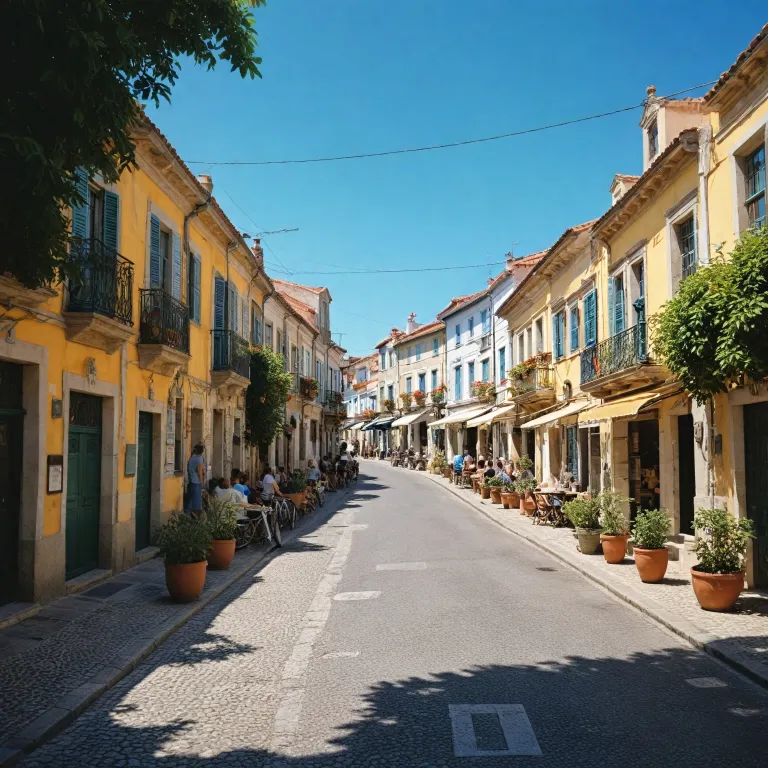
Tourism sector performance and regional highlights in September
Portugal’s tourism sector demonstrated remarkable resilience and adaptability throughout September. The Algarve region, a cornerstone of tourism in Portugal, welcomed 597,700 guests and achieved 2.38 million overnight stays, representing 27.9% of the national total. This growth in overnight stays and guest numbers underscores the region’s enduring appeal for both domestic and international travelers, even as the sector faced evolving challenges.
Tourism data from the National Institute of Statistics (INE) and economic analysis by the Bank of Portugal reveal that tourism revenue reached €3,212.76 million during September. This figure reflects a notable gain over the previous period, despite a slight decline in international arrivals. The tourism sector’s ability to compensate for fewer international visitors with increased domestic tourism highlights the importance of regional strategies and targeted services. The Algarve Tourism Region, in collaboration with local agencies and private actors, continues to innovate in sustainable tourism, leveraging advanced data analytics to monitor trends and optimize offerings for travelers.
Lisbon and Porto, as major urban centers, also contributed significantly to the tourism sector’s performance. The integration of public transportation, such as services managed by Carris, and the accessibility of Lisbon airport and Ponta Delgada, have facilitated seamless travel experiences. These developments, combined with robust privacy policy frameworks and intellectual property protections, reinforce Portugal’s reputation as a secure and attractive destination for travel tourism.
Public safety, transportation, and incident response in Lisbon
September was marked by a significant public safety incident in Lisbon, drawing attention to the critical role of law enforcement and public transportation management. On September 3, the Gloria funicular experienced a mechanical failure involving a loose cable, resulting in an accident on Rua da Gloria. The incident prompted immediate investigation by judicial authorities and highlighted the importance of rigorous safety inspections and maintenance protocols for public transportation infrastructure.
Lisbon City Council and Carris responded swiftly, implementing enhanced safety measures and reviewing operational procedures. The event underscored the need for travelers and tourism sector professionals to verify the operational status of public transportation before travel. It also reinforced the value of comprehensive travel insurance, which can provide essential coverage for unexpected incidents during travel in Portugal.
For those seeking more information on public safety and travel advisories, the State Department’s travel guidance offers up-to-date resources. The collaboration between local authorities, law enforcement, and sector stakeholders ensures that both residents and international travelers benefit from improved safety standards. Social media channels and official tourism websites continue to play a vital role in disseminating news and updates, fostering transparency and trust within the tourism sector.
Economic impact and sector resilience: insights from data and analytics
The economic impact of tourism in Portugal during September was substantial, with revenue surpassing €3.2 billion. This growth was achieved despite minor decreases in guest numbers, demonstrating the sector’s capacity to adapt and thrive under changing conditions. The Bank of Portugal’s financial reports and the INE’s statistical surveys provide a comprehensive review of sector performance, enabling informed decision-making for both public and private actors.
Advanced data analytics have become indispensable tools for monitoring tourism trends and identifying opportunities for growth. The implementation of these technologies allows for real-time analysis of traveler behavior, overnight stays, and regional performance. For instance, the Algarve’s sustained growth in overnight stays can be attributed to targeted marketing, enhanced services, and a focus on sustainable tourism practices.
Tourism day initiatives, supported by regional agencies and the united states’ travel sector, further contribute to sector resilience. The integration of real estate development, privacy policy compliance, and intellectual property management ensures that the tourism sector remains competitive and attractive to both domestic and international markets. For a detailed review of sector analytics and regional performance, visit the official tourism data portal.
Digital transformation, privacy, and intellectual property in tourism
Digital transformation continues to reshape the tourism sector in Portugal, with a strong emphasis on privacy policy adherence and intellectual property protection. Official tourism websites and social media platforms serve as primary channels for engaging travelers, sharing news, and promoting regional attractions. The adoption of robust privacy policies ensures that personal data of travelers is safeguarded, fostering trust and compliance with international standards.
Intellectual property management is increasingly important for tourism operators, particularly as digital content and marketing materials become central to sector growth. The protection of branding, itineraries, and digital assets supports the long-term sustainability of tourism services. Lisbon, Porto, and other key regions are leveraging digital tools to enhance traveler experiences, streamline booking processes, and provide real-time updates on public transportation, events, and safety advisories.
Travelers are encouraged to review privacy policies and terms of service when engaging with tourism websites and booking platforms. The integration of digital solutions with traditional hospitality services enables a seamless and secure travel experience.
International perspectives and the role of travel insurance
Portugal’s tourism sector maintains strong connections with international markets, particularly the united states and other key source countries. The importance of travel insurance has been underscored by recent events, as travelers seek comprehensive coverage for medical emergencies, trip cancellations, and unforeseen incidents. The state department and other international agencies recommend that travelers secure appropriate insurance before visiting Portugal, especially when using public transportation or participating in adventure activities.
International travelers benefit from the sector’s commitment to safety, transparency, and high-quality services. The integration of travel insurance options into booking platforms and tourism websites simplifies the process for visitors, ensuring that they are well-protected throughout their stay. The tourism sector’s proactive approach to risk management and incident response enhances Portugal’s reputation as a safe and reliable destination.
Regional agencies and private actors collaborate to promote travel insurance awareness, leveraging social media and targeted campaigns. The ongoing review of sector policies and the adoption of best practices from international partners contribute to continuous improvement in traveler safety and satisfaction. The role of travel insurance in supporting sustainable tourism and sector resilience cannot be overstated.
Policy, governance, and sustainable tourism strategies
Effective policy and governance are essential for the long-term success of Portugal’s tourism sector. Regional authorities, such as the Algarve Tourism Region and Lisbon City Council, work closely with national agencies and private stakeholders to develop and implement sustainable tourism strategies. These efforts focus on balancing economic growth with environmental stewardship, cultural preservation, and community engagement.
Sustainable tourism initiatives include the promotion of public transportation, the development of eco-friendly accommodations, and the protection of natural and cultural assets. The tourism sector’s commitment to sustainability is reflected in its support for local businesses, investment in green infrastructure, and adherence to international best practices. Law enforcement agencies play a crucial role in maintaining public order and ensuring the safety of both residents and visitors.
Continuous review of sector policies, informed by data and stakeholder feedback, enables the tourism sector to adapt to emerging challenges and opportunities. The integration of real estate development, intellectual property management, and privacy policy compliance ensures that tourism growth is both responsible and inclusive. The sector’s collaborative approach sets a benchmark for other regions and reinforces Portugal’s position as a leader in sustainable tourism.
Key statistics: Portugal tourism sector in September
- Number of guests in Algarve: 597,700 guests
- Overnight stays in Algarve: 2.38 million overnight stays
- Portugal’s tourism revenue: €3,212.76 million
Frequently asked questions about Portugal tourism news in September
What was the cause of the Gloria funicular accident in Lisbon?
The exact cause is under investigation, but initial reports suggest a mechanical failure involving a loose cable.
How did the Algarve perform in terms of tourism in September?
The Algarve maintained its leadership in Portugal's tourism sector, recording 597,700 guests and 2.38 million overnight stays, accounting for 27.9% of the national total.
What was Portugal's total tourism revenue in September?
Portugal's tourism revenue in September was €3,212.76 million, reflecting a gain of €128.57 million over the same month in the previous year.
What steps are recommended for travelers regarding public transportation and safety?
Travelers are advised to verify the operational status of public transportation before travel, stay informed about local news and safety advisories, and consider travel insurance that covers unexpected incidents.