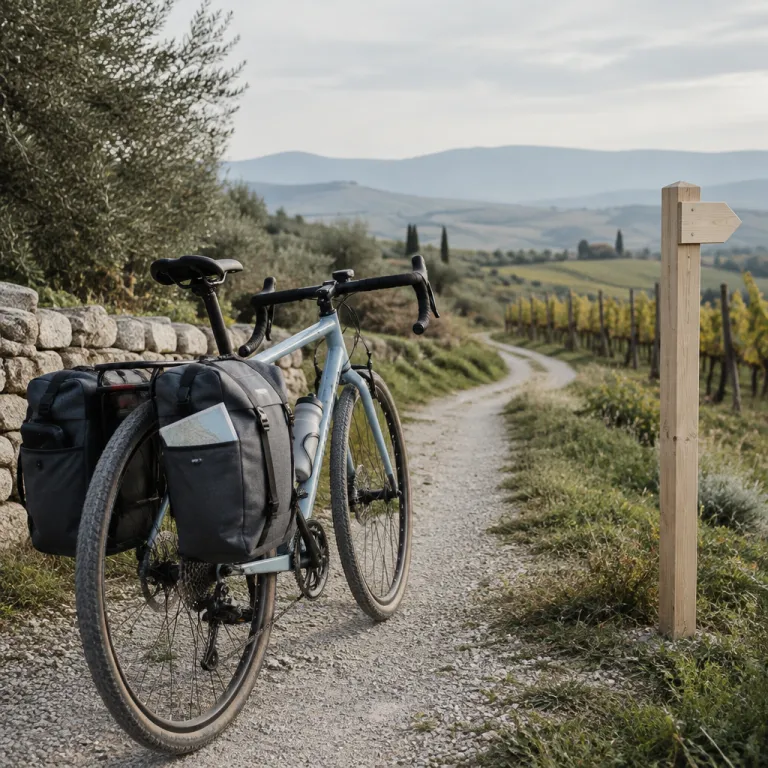
Positioning self guided cycling tours in Italy within regional tourism strategies
Self guided cycling tours in Italy are no longer a niche product. For offices de tourisme and regional agencies, they have become a strategic lever to structure cycling holidays that extend stays and spread visitor flows over more days. When a person chooses a self guided cycle trip, they usually seek a flexible ride rhythm, authentic encounters, and a clear but not intrusive level of support.
At destination scale, this means treating every bike tour and every cycling holiday as a modular tourism product, not just a sports activity. A coherent network of routes and each individual route segment must connect villages, wine estates, cultural sites, and small hospitality businesses in a way that makes sense for both guided tours and independent riders. The best regional strategies align cycling tours with public transport, heritage interpretation, and local food circuits, so that each day of travel feels like a complete tourism experience rather than a simple ride from A to B.
For Italian regions such as Tuscany, Puglia, Umbria, the Dolomites, and Sicily, the opportunity is clear. Self guided cycling tours in Italy already attract visitors who are willing to pay for quality bike rentals, luggage transfer, and curated accommodation over six to ten days. By integrating these tours Italy wide into destination management plans, offices de tourisme can influence the level easy and level moderate offer, set standards for guided cycling and self guided formats, and ensure that every cycling holiday supports local economies rather than bypassing them.
Designing territorial cycling routes that serve both visitors and residents
Building a portfolio of self guided cycling tours in Italy starts with infrastructure, not marketing. Regional stakeholders need to map existing cycling routes, quiet roads, and greenways, then identify where a new route or short connector can transform a local ride into a multi day trip. A well designed cycle network should allow both a relaxed level easy itinerary for families and a more moderate option for experienced cyclists within the same corridor.
In Tuscany, for example, a three day bike tour between Pisa and Florence can be extended into five or six days by adding loops through hilltop villages and vineyards. Offices de tourisme can work with local tour companies such as Slow Active Tours, Bike Riding Tuscany, Genius Loci Travel, and Apulia Bike Tours to test each guided bike itinerary, then adapt it into self guided versions with clear GPS navigation. This collaboration ensures that every bike route and each of the routes variants are safe, attractive, and aligned with carrying capacity in sensitive landscapes.
Regional planners can draw inspiration from other mountain and rural destinations that have structured high value cycling tours around existing communities. A useful reference is the work on strategic pathways to mountain villages for high value tourism, which shows how carefully sequenced stages can distribute benefits across several municipalities. Applied to Italy, this means that each day of a cycling holiday should end in a village with accommodation, food, and services, while intermediate stops highlight farms, artisans, or cultural sites that welcome both guided tours and independent cyclists.
Seasonality, climate, and programming for cycling holidays
Self guided cycling tours in Italy are particularly sensitive to seasonality. For most regions, the best time for a cycling holiday is spring and autumn, when temperatures are mild and rural landscapes are at their most attractive. Offices de tourisme should therefore structure their bike tours offer around the mar apr and sep oct periods, using targeted programming to shift demand away from peak summer.
Data from specialized operators show that a typical moderate six day tour in Italy costs around 600 euros per person, while an eight day itinerary can cover roughly 300 km of cycling. These figures give collectivités and élus a concrete benchmark when they evaluate the economic impact of each self guided trip and of more challenging cycling tours. By promoting shoulder season tours Italy wide, destinations can increase occupancy for small hotels and agriturismi, while reducing pressure on fragile sites during the hottest months.
Programming should go beyond simple price discounts. Offices de tourisme can work with private actors to create themed cycling holidays in sep oct around harvest festivals, or mar apr events linked to wildflowers and local gastronomy. The approach used to build autumn demand on purpose in other destinations offers a relevant model for Italian regions that want to anchor cycling tours as a core off season product. In this context, guided cycling weekends, short level easy family rides, and longer self guided tours can be combined to create a full seasonal calendar.
Operational models and partnerships for self guided cycling products
From an operational perspective, self guided cycling tours in Italy rely on a tight ecosystem of local tour companies, accommodation providers, and mobility services. Offices de tourisme and development agencies should not try to replace these actors, but rather coordinate them and set quality frameworks for every bike tour and cycling holiday. In most cases, local tour companies act as organizers, providing maps, GPS tracks, luggage transfer, accommodation, and bike rentals for both guided tours and independent riders.
For regional authorities, the priority is to ensure that each self guided route offers reliable support, especially in rural areas where a mechanical issue can quickly disrupt a day of travel. Partnerships with bike shops, shuttle services, and e bike charging points are essential to make both level easy and level moderate itineraries viable. Innovation around gravel bike options, hotel based tours instead of camping, and even combined bike barge products on navigable waterways can help diversify the offer and attract different cycling segments.
Clear communication of service levels is crucial. Visitors need to know whether a cycling holiday includes a fully guided bike experience, a partially guided cycling format with local briefings, or a pure self guided package where they follow a ride GPS track on their own device. Offices de tourisme can support this by standardizing terminology across their territory, so that a person booking a trip in Tuscany, Puglia, or Umbria understands exactly what to expect in terms of support, luggage handling, and daily route information.
Digital tools, data, and visitor experience design
Digital tools now sit at the heart of self guided cycling tours in Italy. Most cyclists expect to receive a ride GPS file or equivalent navigation support, along with printed maps and clear elevation profiles for each day. For offices de tourisme, this creates an opportunity to collect anonymized data on route usage, stopping points, and seasonality, which can then inform infrastructure investments and tourism product development.
Destination managers should work with private operators to define common data standards and feedback loops. When a person completes a six day cycling holiday, their comments on route safety, signage, and services can be aggregated to refine both level easy and level moderate itineraries. Over time, this evidence base helps regions prioritize which routes to upgrade, where to add water points or rest areas, and how to adapt guided tours and self guided products to changing expectations.
Digital content also shapes perception of the best time and the best routes for a trip. High quality storytelling around specific tours Italy wide, such as a moderate bike tour through Tuscany or an easy moderate itinerary between Pisa and Florence, reassures visitors that they can ride at their own pace while still accessing culture and gastronomy. Offices de tourisme can integrate guidance on packing layers and rain gear, checking elevation and terrain difficulty, and ensuring support for mechanical issues into their online platforms, turning each cycling holiday page into a complete micro guide rather than a simple product listing.
Integrating cycling tourism into wider sustainable mobility and regional branding
Self guided cycling tours in Italy intersect directly with sustainable mobility policies. When regions invest in safe cycling routes that link train stations, villages, and natural areas, they create assets that serve both residents and visitors throughout the year. A coherent cycle network also strengthens the positioning of Italy as a destination where a person can travel without a car, combining a cycling holiday with rail journeys and local buses.
Branding should reflect this integrated vision. Instead of promoting isolated bike tours, offices de tourisme can frame cycling holidays as part of a broader ecosystem of accessible tourism experiences, from walking routes to inclusive mobility services. The approach outlined for designing accessible tourism ecosystems offers useful parallels for aligning cycling infrastructure, services, and communication across multiple stakeholders.
Events and narratives can further reinforce this positioning. References to iconic races such as the Giro d’Italia help connect everyday cycling tours with Italy’s broader cycling culture, while still emphasizing that most self guided trips are designed for level easy or easy moderate fitness levels. By aligning guided cycling events, family friendly rides, and multi day self guided tours within a single regional story, destinations can present cycling tourism not as a specialist niche, but as one of the best ways to experience Italian landscapes and communities over several carefully planned days.
Key statistics for regional planning of self guided cycling tours
- Typical cost for a self guided moderate six day tour in Italy is around 600 euros per person, according to Life On A Bike listings, which positions cycling holidays as a mid range product accessible to a broad audience.
- An eight day self guided cycling holiday in Italy often covers about 300 km, based on Life On A Bike itineraries, which implies average daily stages of 35 to 50 km suitable for level easy and level moderate riders.
- Spring and autumn, especially mar apr and sep oct, are identified by operators as the best time windows for self guided cycling tours in Italy, due to milder temperatures and lower crowding in popular regions such as Tuscany and Puglia.
- Tour formats typically range from six day easy itineraries to seven or eight day moderate tours and ten day or longer challenging crossings, giving destinations a clear framework to structure their portfolio of routes and products.
- Growing demand for e bike and gravel bike options is driving the creation of more e bike friendly routes and hotel based tours, which allows regions to attract new segments without increasing the technical difficulty of existing cycling tours.
FAQ about self guided cycling tours in Italy for destination managers
What level of fitness is required for self guided cycling tours in Italy ?
What level of fitness is required? Moderate to good fitness depending on terrain and daily distances. For regional planning, this means offering a clear range of level easy, easy moderate, and level moderate itineraries, with transparent information on elevation gain and daily kilometres so that each person can choose an appropriate trip.
Are bikes usually included in self guided cycling holidays ?
Are bikes included? Often yes via rentals; road, gravel or e-bikes available. Offices de tourisme should highlight local rental partners and ensure that both guided tours and self guided packages offer reliable bike options, including e bikes for less trained cyclists and gravel bikes for routes that use unpaved sections.
How is accommodation arranged for multi day cycling tours ?
How is accommodation arranged? Hotels or guesthouses booked in advance with luggage transfers. This model allows each day of a cycling holiday to end in a comfortable base, and it creates predictable revenue for small hospitality businesses along the route, which is crucial for regional development strategies.
Which regions of Italy are most suitable for developing self guided cycling products ?
Regions such as Tuscany, Puglia, Umbria, the Dolomites, and Sicily already have a strong foundation of scenic routes, cultural sites, and rural hospitality. For offices de tourisme and collectivités, these areas offer ideal conditions to structure tours Italy wide, from short Pisa Florence itineraries to longer cross regional trips that combine coastal and inland landscapes.
How can destinations ensure safety and quality on self guided routes ?
Destinations should invest in clear signage, regular maintenance of cycling routes, and partnerships with local tour companies and bike shops for emergency support. Combining on the ground infrastructure with accurate ride GPS files, up to date route descriptions, and transparent communication about difficulty levels helps maintain both safety and visitor satisfaction across all self guided cycling tours in Italy.