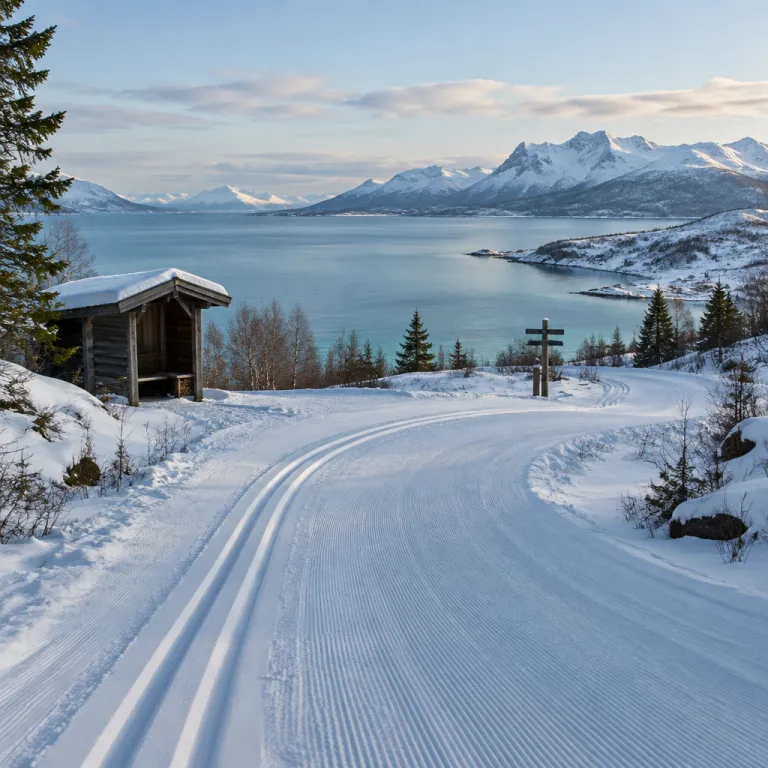
Why cross country skiing in Norway is a strategic tourism asset
Cross-country skiing in Norway is not only a sport, it is a cultural backbone that shapes how residents use nature in winter. For offices de tourisme, regional development agencies and elected officials, this deep cultural identity turns every ski trail into a potential tourism product that can extend the winter season and stabilise local revenue. When you treat Nordic skiing as a strategic asset rather than a simple leisure activity, you unlock new partnerships with Norway ski clubs, mountain lodges and private operators.
Norway has invested for generations in dense networks of groomed trails around cities such as Oslo, Lillehammer and Trondheim, with Norway ski clubs and Skiforeningen maintaining hundreds of kilometres of prepared cross-country ski trails. According to Skiforeningen, the trail network in the Oslo region alone extends to roughly 2 600 km of marked winter routes, most of them groomed regularly. This existing infrastructure means that a destination can design guided ski tour products with relatively low additional cost, focusing instead on interpretation, storytelling and quality of stay in cabins or hotels. For regional authorities, the question is no longer whether skiing Norway can attract visitors, but how to curate the most relevant cross-country skiing experiences for each target market.
Population participation in cross-country skiing in Norway is high, with one national survey from Statistics Norway indicating that around one third of residents practise the sport regularly. This mass participation creates a large base of qualified guides, instructors and volunteers who can support both short day trips and multi-day ski tour itineraries across mountain plateaus. Offices de tourisme can therefore position their country ski offer as authentically local, with residents and Norway ski clubs acting as hosts who share their own winter routines on skis.
Designing cross country ski products across Norway’s mountain regions
For tourism product development teams, the starting point is to map the most strategic mountain areas for cross-country skiing in Norway, from the forests around Lillehammer to the high plateaus of Jotunheimen and Rondane. Each region offers a different type of ski experience, and a clear segmentation between family-friendly trails, long-distance Nordic skiing routes and backcountry ski tour products helps avoid confusion in the market. A structured portfolio also allows collectivités and private actors to coordinate investment in cabins, mountain lodges and transport.
Around Lillehammer, Sjusjøen and the Peer Gynt region, dense networks of groomed trails and the famous Peer Gynt trail and Gynt trail lend themselves to short stays of three to five days, ideal for European markets seeking accessible Norway winter breaks. Offices de tourisme can package guided day trips on groomed cross-country tracks with evening cultural activities in town, creating a balanced offer that combines ski trails and urban experiences. For higher value segments, the same area can support longer country skiing tours that link several cabins and mountain lodges over six or seven days, with luggage transfer and optional coaching for guests who want to improve their technique.
In contrast, Jotunheimen and Rondane are better suited to more demanding ski tour products that cross open mountain terrain and sometimes enter Jotunheimen National Park or the Rondane National Park area. Here, safety management, guide training and weather communication become central elements of the tourism product, and agencies de développement should work closely with Norway ski clubs and national park authorities. Destination managers looking for inspiration on how to structure high value mountain itineraries can study strategic pathways to remote mountain villages described in this analysis of high value tourism in mountain villages, then adapt the principles to ski touring in Norway’s national park landscapes.
Seasonality, climate adaptation and programming for the winter months
Seasonality is both a challenge and an opportunity for cross-country skiing in Norway, because the snow season December to March is intense but relatively short at lower altitudes. For destination leaders, the goal is to stretch the effective Norway winter season without overpromising on snow reliability, while using programming and pricing to shift demand from peak February to the shoulders in early December and late March. This requires close monitoring of snow data, transparent communication about groomed trails and a flexible approach to product design.
At higher elevations in Jotunheimen and Rondane, the cross-country ski season December to March can be more stable, which supports longer ski tour products and multi-day stays in cabins or mountain lodges. Lower areas around Lillehammer or the Peer Gynt region may rely more on snowmaking and indoor ski halls to guarantee Nordic skiing during warm spells, a trend already visible in several Norwegian destinations. Offices de tourisme can work with operators to create specific offers for early season December training camps, mid-season family holidays in February and late season March sun skiing, each with different price points and narratives.
Programming can also help build a real shoulder season around cross-country skiing in Norway by combining shorter ski experiences with cultural or wellness themes. For example, a three days package in March might include two days of guided country skiing on groomed cross-country trails and one day focused on spa, gastronomy or local crafts. Destination managers seeking inspiration on how to shape demand outside peak periods can adapt the principles outlined for building a shoulder season on purpose to the specific context of Norway ski products.
Infrastructure, grooming standards and partnerships with Norway ski clubs
High quality groomed trails are the backbone of any serious cross-country skiing in Norway tourism strategy, because they directly influence visitor satisfaction and safety. Norway ski clubs and organisations such as Skiforeningen in Oslo already maintain extensive networks of groomed cross-country tracks, including more than two thousand kilometres of ski trails around the capital region. For offices de tourisme and collectivités, the priority is to formalise partnerships with these actors, align grooming standards with tourism promises and co-finance critical equipment where necessary.
Clear information about ski trails, grooming frequency and difficulty levels is essential for guided tours, independent day trips and longer ski tour itineraries, especially for international guests who may be new to Nordic skiing. Digital trail maps, real-time grooming updates and multilingual signage help reduce risk and allow visitors to choose between easy forest loops, more demanding mountain routes and backcountry country ski options. When these tools are integrated into destination websites and booking platforms, they also support better data collection on visitor flows and preferences.
Cabin networks and mountain lodges along key routes such as the Peer Gynt trail, the Gynt trail and the Troll trail transform simple skiing Norway outings into multi-day journeys. Regional development agencies can coordinate investments in energy efficiency, accessibility and comfort in these cabins, ensuring that each stay meets international expectations without losing its local character. Partnerships with Norway ski clubs can extend beyond grooming to include joint marketing of winter events, youth competitions and guided cross-country skiing festivals that reinforce the destination’s brand.
Experience design: from northern lights to inclusive access
Designing memorable cross-country skiing in Norway products means thinking beyond the physical act of skiing to the full visitor journey. For some guests, the highlight may be gliding silently under the northern lights near a remote cabin, while for others it is the conviviality of a family-friendly ski tour on gentle trails close to town. Offices de tourisme should therefore curate a spectrum of experiences, from short guided day trips to multi-day Nordic skiing expeditions, each with clear promises and price points.
Accessibility is a critical dimension, because a significant share of visitors will be beginners or occasional skiers who need reassurance about terrain, equipment and safety. Destinations can develop introductory cross-country ski lessons on wide, groomed cross-country trails, combined with simple two days stays in cabins where guests learn basic waxing, map reading and winter safety. For travellers with reduced mobility or specific needs, tourism boards can draw on best practices in designing accessible tourism ecosystems, such as those outlined in this guide to accessible tourism ecosystems and mobility aids, then adapt them to snowy environments and ski infrastructure.
Storytelling around cultural heritage also enriches the country skiing offer, linking modern ski trails to Norway’s long history as a leading nation in Nordic skiing. Guided tours can weave in anecdotes about Olympic champions, local Norway ski clubs and traditional winter practices, turning a simple cross-country outing into a deeper encounter with the country and its people. When these narratives are consistent across brochures, websites and on-site interpretation, they reinforce the authority and authenticity of the destination’s Norway winter brand.
Governance, pricing and market positioning for cross country products
Effective governance is essential if cross-country skiing in Norway is to remain both a public good for residents and a high value tourism product for visitors. Many groomed trails are free to use, which supports local health and social cohesion, while more specialised ski tour products and guided experiences can be priced to generate revenue for maintenance and innovation. Offices de tourisme, collectivités and private actors need clear agreements on who funds grooming, who manages cabins and how income from winter tourism is reinvested.
Pricing strategies should reflect the diversity of the offer, from low cost day trips on easily accessible ski trails to premium multi-day journeys through Jotunheimen National Park or the Rondane area. For example, a three days package in Lillehammer might combine accommodation, equipment rental and a guided introduction to cross-country skiing for a mid-range budget, while a seven days traverse along the Troll trail with stays in remote mountain lodges would command a higher price. Transparent communication about what is included in each stay, from meals in the cabin to luggage transport between mountain lodges, helps build trust with international markets.
Market positioning should emphasise Norway’s leadership in Nordic skiing and the breadth of its winter offer, without overselling extreme adventure that only suits a minority. Destinations can target families, active seniors and experienced skiers with differentiated messaging, always anchored in the reality of the season December to March and the actual difficulty of the terrain. As one national overview from Innovation Norway succinctly states, “Visit during peak snow in Jan–Feb, rent gear on-site, pick groomed trails for beginners, check trail grooming status online”, and this practical advice can be integrated into all communication to align expectations with on-the-ground conditions.
Key figures for cross country skiing in Norway
- Around one third of Norway’s population practises cross-country skiing regularly, according to a national survey from Statistics Norway, which provides a strong local base of skills and potential guides for tourism products.
- The trail network around Oslo alone extends to roughly 2 600 km of ski trails, managed largely by Skiforeningen and local Norway ski clubs, giving destinations a vast existing infrastructure for guided tours and independent day trips.
- Norway ranks first among nations in Olympic cross-country skiing medals, a dominance that reinforces the country’s global reputation for Nordic skiing and supports premium positioning for skiing Norway experiences.
- The core Norway winter season for cross-country skiing typically runs from December to March, with early season December snow cover at higher altitudes and a peak in January and February, which should guide programming and marketing calendars.
FAQ about cross country skiing tourism in Norway
Is cross country skiing in Norway expensive for visitors ?
Recreational access to groomed trails is usually free, because they are maintained by municipalities and Norway ski clubs as a public service. Costs arise mainly from equipment rental, accommodation in cabins or mountain lodges and any guided ski tour services. High end multi-day country skiing packages in national park areas will be more expensive, but they also include logistics, safety and interpretation.
When is the best season for cross country skiing in Norway ?
The main season runs from December to March, with the most reliable snow generally in January and February, especially at higher elevations. Lower altitude areas may have more variable conditions, so destinations should communicate clearly about groomed cross-country trail status. Late March can offer excellent sun skiing, and some mountain regions in Jotunheimen or Rondane may extend the season beyond this period.
Do visitors need advanced skills to use Norwegian ski trails ?
Many destinations offer flat or gently rolling ski trails that are suitable for beginners, particularly around towns such as Lillehammer or in forest areas near Oslo. More demanding routes in Jotunheimen National Park, along the Troll trail or across exposed mountain plateaus require stamina, navigation skills and sometimes a guide. Offices de tourisme should classify trails clearly by difficulty and promote guided options for less experienced guests.
How can destinations adapt cross country ski tourism to climate change ?
Destinations can prioritise higher altitude areas with more reliable snow, invest in snowmaking on key access trails and support indoor ski halls for training and early season December activities. Diversifying products to include cultural experiences, wellness and non snow activities helps reduce dependence on perfect winter conditions. Close cooperation with Norway ski clubs and data-driven monitoring of snow patterns will be essential for long term planning.
Are cross country ski products compatible with sustainable tourism goals ?
Cross-country skiing in Norway aligns well with low impact tourism, because it relies on human powered movement, existing groomed trails and modest infrastructure such as cabins and mountain lodges. Destinations can further enhance sustainability by promoting public transport access, energy efficient buildings and local food in cabins. Clear visitor management in national park areas like Jotunheimen and Rondane ensures that increased tourism does not damage fragile mountain ecosystems.