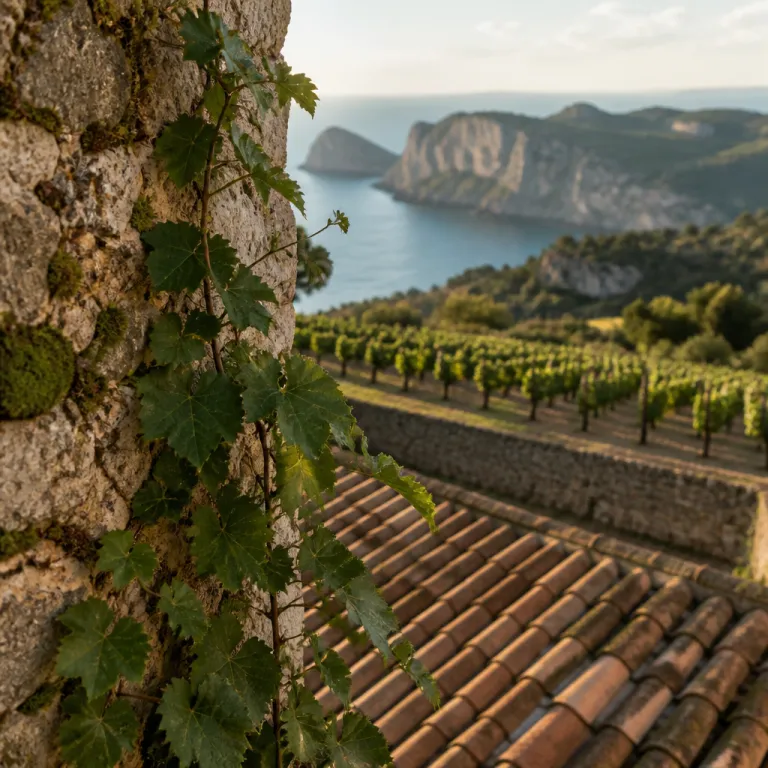
From medieval fortress to strategic tourism product in Cassis
The Château de Cassis rises above the town Cassis as a rare example of a medieval castle successfully repositioned for contemporary hospitality. Listed in the Inventaire général du patrimoine culturel and referenced by the Office de Tourisme de Cassis, this historic château has evolved from a defensive stronghold into a refined luxury tourism product that aligns with current demand for heritage experiences and high-end stays in the Provence Alpes Côte d’Azur area. For destination managers, it offers a concrete case study on how a single emblematic venue can reshape the perception of an entire coastal town.
Built around a fifth century tower and later expanded into a fortified castle, the property now combines preserved stone ramparts with a heated pool, landscaped garden and carefully restored bedrooms. The current structure dates from the thirteenth century, and its history is legible in every terrace, vaulted room and defensive wall that still frames exceptional views over the port and the Cap Canaille cliffs. This continuity of history gives local offices de tourisme and collectivités a powerful narrative asset that can be integrated into regional storytelling, UNESCO-inspired heritage circuits and thematic itineraries focused on coastal fortifications.
Today the Château de Cassis operates as a historic fortress offering unique stays rather than a conventional hotel, which creates both opportunities and constraints for tourism development agencies. The site is positioned as a private luxury venue with a limited number of suites and bedrooms, which naturally caps volume but raises average spend and length of stay in Cassis. According to regional tourism observatories and summaries published by the Comité Régional du Tourisme Provence-Alpes-Côte d’Azur, similar luxury heritage stays in the area often reach occupancy rates above 70% in high season, illustrating the potential of this model. For regional planners, this balance between exclusivity and public heritage access raises essential questions about carrying capacity, visitor flows from Marseille and long term value creation for the wider destination.
Designing high value tourism products around château de Cassis
For directions des offices de tourisme, the Château de Cassis can serve as a flagship around which to structure a coherent portfolio of tourism products. The objective is not to promote a single castle in isolation, but to orchestrate a network of experiences that link the town Cassis, the port, the calanques and the surrounding hinterland into one readable offer. This approach mirrors strategic product development initiatives already tested along other French coastlines, as shown by work on strategic product development along the Brittany coastline for next generation tourism and by case studies compiled by regional tourism observatories.
One obvious axis is heritage themed stays that combine nights in the château with guided walks on the ramparts, storytelling about the site’s century spanning history and curated visits to other fortified sites between Cassis and Marseille. Packages can integrate the château’s panoramic terrace, where guests enjoy a direct view over Cap Canaille and the azur sea, with visits to local vineyards and the calanques national park. By articulating these products, tourism boards can position the area as a benchmark for coastal heritage tourism and luxury heritage stays in Cassis rather than only a sun and sea destination.
Another axis is small scale corporate and private events that use the château as a prestige venue while respecting its capacity and conservation needs. Carefully designed offers might include executive retreats, board meetings or incentive trips that privatise selected suites and bedrooms, with the garden and pool area used for informal networking. For agences de développement, this type of product attracts higher value B2B segments, extends the season beyond summer and reinforces the image of Cassis as a refined alternative to larger urban centres such as Marseille, especially for decision makers seeking an intimate venue with exceptional views.
Balancing heritage preservation and luxury hospitality
The management model of Château de Cassis illustrates how heritage preservation and luxury hospitality can reinforce each other when governance is clear. The owners, identified in local land registries as a private company specialising in historic properties, have chosen to maintain the identity of a medieval fortress while integrating modern amenities such as a heated swimming pool, contemporary bathrooms and climate control in each suite. This dual positioning reassures high end guests while preserving the authenticity that offices de tourisme need for credible storytelling about local history.
For collectivités and élus, the key challenge lies in regulating how a private château of this kind participates in the public tourism strategy of the town Cassis. The site is not a museum and does not function as a standard hotel, yet it generates significant visibility for the destination through its exceptional views over the port, the Cap Canaille cliffs and the azur coastline. Public authorities therefore need clear frameworks on access, event permits, noise management on the terrace and integration into heritage interpretation circuits that remain open to all visitors, in line with guidelines from the Comité Régional du Tourisme Provence-Alpes-Côte d’Azur and recommendations from the Agence de Développement Touristique des Bouches-du-Rhône.
Regional planners can draw inspiration from broader work on how small French towns reinvent tourism products for long term value, such as the approaches analysed in studies on how French country towns can reinvent tourism products. In Cassis, this could mean co creating interpretive materials that explain the château’s role from the fifth century tower to the thirteenth century castle, while also highlighting contemporary uses as a luxury venue. Such materials help visitors understand why certain areas remain private, why pets are not allowed and why advance booking is essential to protect both the building and the guest experience.
Integrating château de Cassis into regional visitor flow strategies
The geographical position of Château de Cassis, just thirty five minutes from Marseille by road according to the official site, makes it a strategic node for regional visitor redistribution. The site sits between the urban energy of Marseille and the protected landscapes of the calanques, with a commanding view over the harbour and Cap Canaille that naturally attracts high spending guests. For offices de tourisme, this creates an opportunity to channel some metropolitan demand towards a more intimate coastal area while avoiding overtourism in the town Cassis centre.
One practical lever is to build itineraries that start in Marseille, continue with a scenic drive along the Route des Crêtes facing the Canaille cliffs and culminate in a stay or visit at the château. These routes can be timed to encourage arrivals outside peak hours, using the château’s terrace and garden as calm spaces where guests appreciate the azur horizon and the exceptional views without crowding the port. By integrating such products into regional marketing, tourism boards can smooth seasonal peaks, as illustrated by case studies on visitor redistribution through pricing and programming in comparable Mediterranean destinations.
Transport information must be explicit, since many international visitors still associate Cassis primarily with the calanques and not with a historic castle. Communicating the short travel time from Marseille, the availability of free parking at the château and the need to book in advance helps align expectations and reduce friction on site. For élus and private actors, this clarity supports better mobility planning, from shuttle services to soft mobility links between the port, the town centre and the elevated venue overlooking Cap Canaille, and can be integrated into local mobility plans and tourism charters.
Curating guest experiences: from suites to exceptional views
From a product design perspective, every element of the Château de Cassis experience can be curated to reinforce the sense of place. The limited number of suites and bedrooms allows for highly personalised service, with each room oriented to maximise either sea view, garden view or a framed perspective on Cap Canaille. This careful staging of views transforms the castle itself into a narrative device that constantly reconnects guests with the landscape of Cassis and encourages them to discover the surrounding area.
The outdoor spaces are equally strategic, especially the main terrace that overlooks the port and the azur bay. Here, breakfast, evening receptions or small private events can be organised so that participants face the Canaille cliffs and the changing light on the sea, creating memorable moments that offices de tourisme can highlight in premium marketing campaigns. The garden and pool area, protected by the old walls of the château, offers a contrasting atmosphere of intimacy and calm that appeals to couples, small groups and corporate retreats seeking discretion in a luxury heritage setting.
Clear communication about the nature of the venue is essential, and this is where the official information from the site becomes a valuable reference. As the management states, “Is Château de Cassis a hotel? No, it's a historic site offering unique stays.” and “Are pets allowed at Château de Cassis? No, pets are not permitted.” and “What amenities are available? Heated pool, free parking, modern comforts.” Using these exact messages in destination content helps align expectations, reduce complaints and reinforce trust between private operators, tourism boards and visitors, while also clarifying the difference between a traditional hotel and a private château venue.
Governance, partnerships and long term value for Cassis
The success of Château de Cassis as a tourism product rests on robust partnerships between the private owners, local tourism boards and regional institutions. The property already collaborates with public actors to promote cultural tourism in Cassis, leveraging its history and exceptional views as a gateway to the wider area. For élus and agences de développement, formalising these collaborations through charters or destination contracts can secure long term alignment between private interests and public policy goals, as recommended in reports from the Agence de Développement Touristique des Bouches-du-Rhône and echoed in guidance from the Comité Régional du Tourisme Provence-Alpes-Côte d’Azur.
One priority is to ensure that the economic benefits generated by this luxury venue circulate within the town Cassis and its surroundings. This can be achieved by encouraging the château to work with local guides, wine estates, boat operators and cultural institutions, creating integrated packages that extend guest spending beyond the castle walls. In return, public actors can support the site through heritage grants, signage, coordinated promotion and inclusion in regional cultural routes that link Cassis with Marseille and other Provençal towns, ensuring that the château cassis brand benefits the whole area.
Another priority is knowledge sharing, since the Château de Cassis offers a replicable model for other historic sites in the Provence Alpes Côte d’Azur area. Tourism observatories can document performance indicators such as occupancy, average length of stay, origin markets and seasonality, while respecting commercial confidentiality. These données, shared in anonymised form, would help other owners of castles, manors or historic villas assess whether a similar blend of private hospitality, heritage preservation and controlled capacity could work in their own town or rural commune, and would provide concrete benchmarks for luxury heritage stays in the region.
Key figures and strategic indicators around château de Cassis
- The Château de Cassis is located approximately 35 minutes by road from Marseille, according to the official site, which positions it within an easy excursion radius for urban visitors and cruise passengers seeking to discover a historic castle with sea views.
- The original tower dates back to the fifth century, while the main fortified structure visible today was built in the thirteenth century, giving tourism boards more than eight centuries of documented history to interpret for visitors and to integrate into heritage communication.
- The property operates year round with check in typically scheduled between 15:00 and 20:00 and check out at 11:00, a pattern that facilitates late arrivals from Marseille flights and trains while preserving quiet mornings on site and protecting the tranquillity of the venue.
- Market analyses from regional tourism observatories and syntheses produced by the Comité Régional du Tourisme Provence-Alpes-Côte d’Azur indicate a growing demand for heritage based and unique accommodations in Provence, with some studies citing double digit growth in bookings for castles and historic villas, a trend that directly supports the positioning of Château de Cassis as a luxury historic venue.
- The presence of a heated swimming pool and free parking, combined with limited capacity in suites and bedrooms, allows the site to target higher spending segments while maintaining controlled visitor numbers that protect both the building and the guest experience, in line with sustainable tourism principles promoted by regional authorities.
FAQ about château de Cassis and its role in regional tourism
Is château de Cassis a traditional hotel or something different ?
Château de Cassis is not operated as a conventional hotel with a large number of standardised rooms. It is a historic fortress that offers a small collection of suites and bedrooms for unique stays, combining heritage architecture with modern comforts. This positioning allows the venue to remain intimate and exclusive while contributing strongly to the premium image of Cassis and to the development of luxury heritage stays in the area.
How does château de Cassis contribute to tourism development in Cassis ?
The site acts as a flagship product that attracts high value visitors interested in history, architecture and exceptional views over the port and Cap Canaille. These guests often extend their stay to discover the calanques, local vineyards and the town Cassis centre, which benefits restaurants, guides and other service providers. For offices de tourisme, the château provides a powerful storytelling anchor for campaigns focused on heritage, refined coastal living and the discovery of the Canaille cliffs and surrounding landscapes.
What are the practical access conditions for visitors and guests ?
The château is located above the town Cassis, with road access and free parking for guests who have booked a stay or a private event. Travel time from Marseille is around 35 minutes by car under normal conditions, making it suitable for short breaks or pre and post cruise extensions. Check in and check out times are structured to protect the tranquillity of the venue and to allow staff to maintain the historic building, ensuring that the castle remains in good condition for future generations.
Can château de Cassis host corporate or private events ?
Yes, the property can be used as a prestige venue for small scale corporate meetings, incentive trips or private celebrations, subject to capacity and heritage preservation constraints. Events typically use the terrace, garden and selected interior spaces, with the Canaille cliffs and the azur bay providing an exceptional backdrop. Offices de tourisme and agences de développement often highlight these possibilities when targeting high end B2B segments looking for a private château near Marseille with memorable views.
How is the historical heritage of château de Cassis preserved ?
The owners follow a clear strategy of historic preservation, maintaining the medieval walls, towers and structural elements while integrating discreet modern amenities in each suite. Collaboration with local authorities and heritage experts ensures that any renovation respects the building’s character and its role in the history of Cassis. This careful balance allows the castle to function as a living monument that supports both cultural tourism and luxury hospitality, and positions Château de Cassis as a reference for heritage-led tourism development in the region.