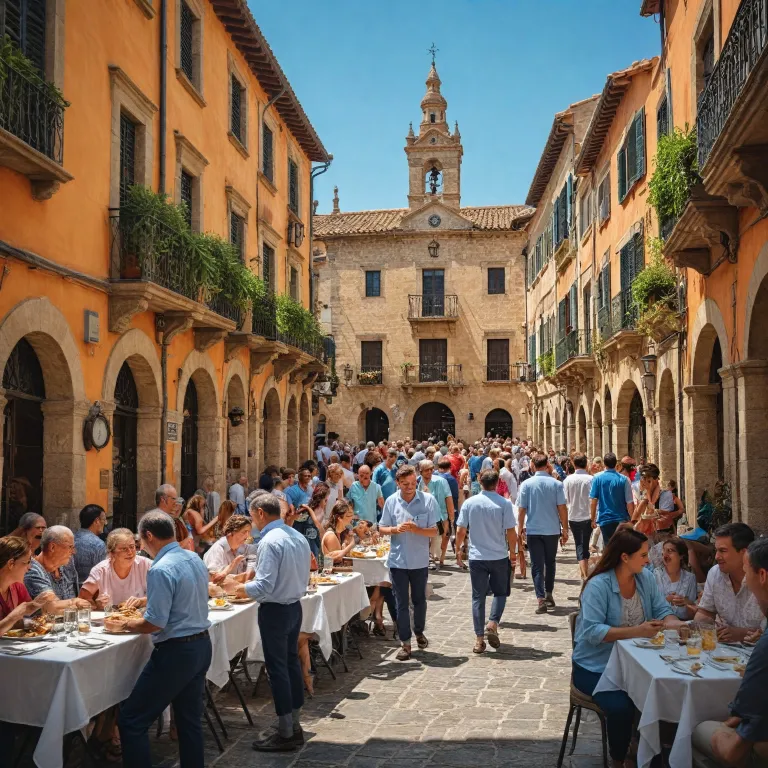
The strategic role of Spain’s official tourism office in regional hospitality
Spain’s official tourism office, Turespaña, stands at the forefront of promoting Spain as a premier tourist destination. Through coordinated efforts with regional tourism boards, Turespaña ensures that both established and emerging destinations across Spain receive tailored support. The ministry responsible for tourism, working closely with the Secretary of State for Tourism, crafts a unified vision that aligns national objectives with regional aspirations, fostering a cohesive approach to hospitality and visitor experience.
Tourism in Spain is a vital economic driver, contributing over 12 percent to the national GDP. The official tourism office Spain leverages its expertise to support local offices de tourisme and regional agencies, helping them implement effective marketing plans and digital strategies. By integrating the spain info portal and the official tourism website, regional actors gain access to up-to-date content, destination insights, and marketing resources that strengthen their international competitiveness.
Collaboration between the ministry, regional offices, and private stakeholders is essential for sustainable tourism growth. The Spanish tourism documentation centre (CDTE) plays a key role by disseminating research and best practices, ensuring that regional actors remain informed and agile. The integration of digital tools, such as the tourism portal and social media, enhances the reach of regional campaigns and supports the promotion of diverse routes and experiences across Spain.
Digital transformation and the evolution of the tourism portal
The digital landscape has transformed how Spain’s official tourism office communicates with international and domestic audiences. The spain info website serves as a central hub, offering comprehensive information on destinations, routes, and events. Regional offices de tourisme benefit from this platform by showcasing their unique offerings and integrating their content into the broader Spanish tourism ecosystem.
Through the tourism portal, visitors can plan trips, search for experiences, and access practical information about regions, cities, and attractions. The ministry of tourism and Turespaña have invested in user-friendly interfaces and multilingual content, ensuring accessibility for a diverse audience. The portal’s integration with social media channels amplifies its reach, allowing regional actors to engage with potential tourists in real time.
Innovative features, such as interactive maps and virtual tours, empower users to explore destinations before arrival. The portal’s collaboration with the instituto cervantes and other cultural institutions enriches the content, highlighting Spain’s heritage and linguistic diversity. For regional offices, leveraging the tourism website and its analytics tools provides valuable insights into visitor preferences, enabling data-driven decision-making and targeted promotion. For further insights on digital best practices, consult the tourism digital transformation guide.
International cooperation and the European dimension in Spanish tourism
Spain’s position as a leading tourist destination is reinforced by its active participation in European and international tourism networks. The official tourism office Spain collaborates with the European Union and other states to promote cross-border routes, sustainable practices, and shared marketing initiatives. Union cooperation is evident in joint campaigns, knowledge exchange, and harmonized standards that benefit both Spanish and European destinations.
The ministry of foreign affairs and the ministry of tourism work together to represent Spain’s interests in international forums. Affairs European and foreign affairs teams coordinate with embassies, consulates, and tourism offices abroad to attract visitors and foster bilateral partnerships. The integration of European funding and expertise supports regional projects, infrastructure upgrades, and the development of innovative tourism products.
Regional actors, including offices de tourisme and private stakeholders, are encouraged to participate in European programs and networks. The official tourism website Spain provides resources and guidance on accessing these opportunities. For a comprehensive overview of Spain’s international tourism strategy, visit the Spain international tourism cooperation page.
Marketing plans and the promotion of diverse Spanish destinations
Effective marketing plans are essential for positioning Spain and its regions as attractive tourist destinations. The official tourism office Spain leads national campaigns, while regional agencies adapt these strategies to highlight local assets. Turespana’s global marketing campaigns emphasize Spain’s diversity, from coastal resorts to inland villages, culinary traditions, and cultural events.
The tourism website Spain and the spain info portal serve as key platforms for destination promotion. Regional actors can upload content, share itineraries, and promote thematic routes that appeal to niche markets. The integration of user-generated content and social media campaigns enhances authenticity and engagement, attracting both international and domestic tourists.
Collaboration with private sector partners, such as hotels, travel agencies, and event organizers, amplifies the impact of marketing initiatives. The ministry of tourism provides guidelines and support for developing regional marketing plans that align with national objectives.
Data-driven decision-making and the role of the Spanish tourism documentation centre
Reliable data and research are crucial for informed decision-making in the hospitality industry. The Spanish tourism documentation centre (CDTE) collects, analyzes, and disseminates information on tourism trends, visitor profiles, and economic impact. Regional offices de tourisme and agencies de développement rely on these insights to refine their strategies and measure performance.
The official tourism office Spain collaborates with the CDTE to ensure that regional actors have access to up-to-date statistics, market analysis, and best practices. The integration of data from the tourism portal, social media, and partner organizations enables a comprehensive understanding of visitor behavior and emerging trends. This evidence-based approach supports the development of targeted marketing plans and the optimization of tourism products.
Regional actors are encouraged to participate in training sessions and workshops organized by the CDTE and Turespaña. These initiatives foster a culture of continuous improvement and innovation, ensuring that Spain remains a competitive and sustainable tourist destination. The use of analytics from the official tourism website Spain further enhances the ability to monitor campaign effectiveness and adapt to changing market conditions.
Enhancing visitor experience through integrated services and local partnerships
Delivering a seamless visitor experience requires close collaboration between national, regional, and local actors. The official tourism office Spain sets the framework for quality standards, while regional offices de tourisme and private stakeholders implement tailored services that reflect local identity. Integrated information centers, digital kiosks, and multilingual support ensure that tourists receive consistent and reliable assistance throughout their trip.
Partnerships with cultural institutions, such as the instituto cervantes, enrich the visitor experience by offering language courses, guided tours, and cultural events. The promotion of thematic routes, such as wine trails or heritage circuits, encourages longer stays and deeper engagement with local communities. The use of the tourism portal and social media platforms facilitates real-time communication and feedback, enhancing satisfaction and loyalty.
As Turespaña notes, "Turespaña is Spain's official tourism agency responsible for promoting the country as a tourist destination worldwide." This mission is supported by the Secretary of State for Tourism, who "oversees the development and execution of Spain's tourism policies." Regional actors play a vital role in translating these policies into memorable experiences that showcase the best of Spain’s destinations, culture, and hospitality.
Key statistics on Spain’s tourism sector
- International tourists in 2024: 94 million
- Tourism revenue in 2024: 126 billion euros
- Contribution of tourism to GDP: 12.3 percent
Frequently asked questions about Spain’s official tourism office
What is Turespaña?
Turespaña is Spain's official tourism agency responsible for promoting the country as a tourist destination worldwide.
How can I contact Spain's official tourism office?
You can visit their official website at https://www.tourspain.es/en-us or contact their offices in various countries.
What are the main functions of the Secretary of State for Tourism?
The Secretary of State for Tourism oversees the development and execution of Spain's tourism policies.