Autumn as a second season: why destinations must plan the shoulder on purpose
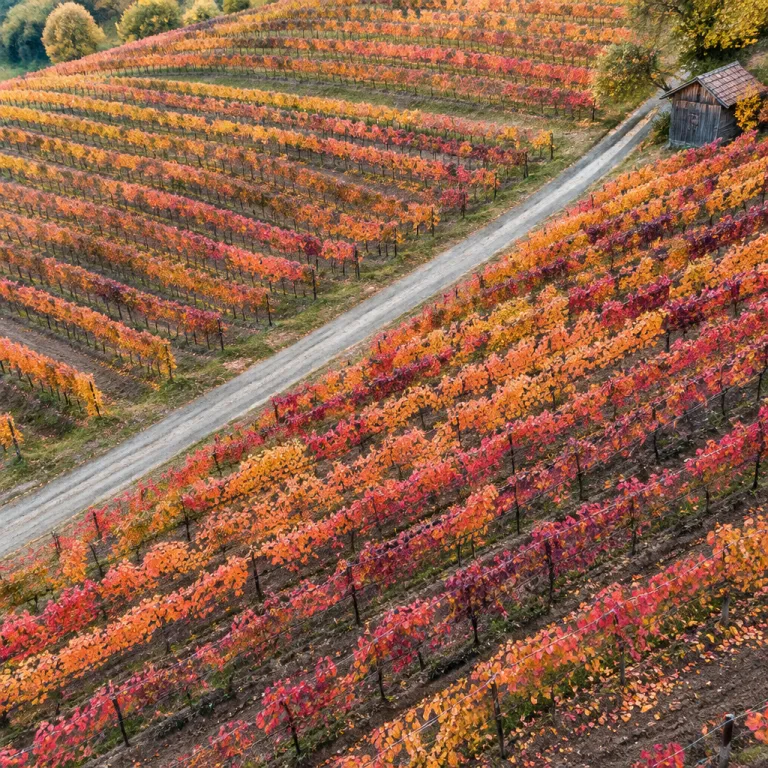
For most destinations, the autumn season is either a quiet shoulder or a second peak, and that outcome is rarely accidental. When Directions des offices de tourisme and regional équipes treat autumn as a strategic window, they can shift travel demand from the short summer peak season into a longer, more profitable arc that stabilizes revenue for every hotel and vacation rental property in the territory. The choice is simple yet demanding; either accept the low season as a given or build a deliberate shoulder season strategy that aligns programming, pricing and governance around clear, measurable goals.
Autumn planning starts months earlier, when DMOs and collectivités map demand curves by day of week, segment and origin market to understand how each season behaves. That means reading occupancy and average rate data for every type of property, from independent hotel assets to rural vacation rental stock, and comparing shoulder seasons against the main season peak to see where latent demand already exists. Without this granular view of seasonal travel patterns, any season strategy for the shoulder season risks becoming a generic marketing campaign that offers discounts without a clear reason to book or a realistic target for occupancy uplift.
Regional leaders should frame autumn not as the low season but as a designed transition between the peak and winter, with its own value proposition. In practice, that means defining which audiences are realistic for shoulder seasons, such as remote workers, couples without children and international travel segments that prefer cooler weather and quieter streets. Once those priority segments are clear, DMOs can brief hotel revenue managers and vacation rental operators so that dynamic pricing, minimum stays and season pricing rules support the same narrative instead of undercutting it, and so that every campaign has a concrete next step for partners to implement.
Programming that earns the visit: events, experiences and partnerships that move demand
Pricing can nudge demand, but only programming gives people a reason to travel in the shoulder season rather than wait for the next holiday travel period. Offices de tourisme that treat autumn as a curated cultural season, with a clear calendar of event series, food festivals and outdoor experiences, give every hotel and vacation rental property a concrete story to sell. The goal is to turn an abstract shoulder into a named moment that visitors want to book, not a vague low season with generic discounts that fail to shift travel dates.
Effective programming for shoulder seasons usually clusters events by theme and geography so that guests can justify a longer length of stay instead of a single night. A wine harvest weekend, for example, becomes more powerful when paired with weekday workshops for remote workers, family travel activities on the following day of the week, and guided nature walks that extend the stay into Monday with late checkout incentives. When DMOs co design these calendars with municipalities and private operators, they can also align minimum stays and flexible early check in policies so that rate structures and experiences reinforce each other and support a coherent autumn travel narrative.
Partnerships matter as much as programming, especially when destinations want to reach new international travel audiences for the shoulder season. Regional tourism boards can package rail passes, local transit and museum access with hotel or vacation rental offers, while agencies de développement coordinate marketing funds so that every euro spent pushes the same autumn narrative. Case studies such as the way student and youth trips reshaped regional flows in Marrakech, analysed through a regional tourism strategies lens, show how targeted segments can fill non peak periods when programming, pricing and access are aligned; in that case, a three month campaign focused on midweek arrivals lifted shoulder season occupancy by roughly 11% and held average daily rate within 5% of the main season.
Pricing that supports programming: from blunt discounts to intelligent season pricing
Once the autumn calendar is set, the pricing work begins; this is where many destinations fall back on blunt discounts that erode revenue without lifting occupancy. A modern shoulder season strategy treats pricing as a precision tool, using dynamic pricing rules, minimum stays and differentiated rates by day of week to reward longer stays and higher value segments rather than last minute bargain hunters. The objective is not to undercut the peak season but to create a coherent season pricing ladder that makes sense to guests and to local businesses, with clear guardrails on how far rates can move.
For hotel general managers, this means aligning room rate fences with the event calendar and target segments that the DMO has prioritised for the shoulder season. Remote workers might respond to three night packages with late checkout and early check in included, while family travel audiences could value bundled tickets to attractions more than a simple percentage discount on the base rate. Vacation rental hosts can mirror this logic by setting higher minimum stays around key event weekends, then easing those minimums midweek to smooth occupancy and keep revenue flowing across the entire season, rather than relying on last minute price cuts.
Payment behaviour also shifts in the shoulder seasons, and destinations should help partners adapt. Guests booking autumn vacation rental stays or hotel weekends may be more cautious with credit card commitments after the expensive summer season peak, so flexible cancellation and partial prepayment policies can reduce friction without collapsing rates. DMOs that share anonymised booking and pricing data, supported by robust digital tools such as the AI driven content and analytics approaches examined in the article on how DMOs deploy AI for content, give revenue managers the confidence to maintain rate integrity while still filling the shoulder and to test different season pricing rules with lower perceived risk.
Measuring the real shoulder: governance, workforce stability and when not to push
Autumn demand only becomes a real second season when governance structures measure it rigorously and adjust course, rather than celebrating a few busy weekends. DMOs and collectivités should track occupancy, average daily rate and total guest spend for every season, comparing shoulder season performance year over year and against the main peak season to prove that the strategy is working. Without this discipline, it is too easy to mistake one successful event for a sustainable season strategy that benefits residents and businesses alike, or to miss early warning signs that autumn demand is softening.
There is also a workforce dividend when the shoulder season is strong enough to keep teams employed year round instead of relying on short peak contracts. Hotels, restaurants and activity providers can offer longer contracts, invest in training and improve service quality when revenue does not collapse in the low season, which in turn supports higher guest satisfaction and repeat travel. Governance frameworks that prioritise community well being, such as those explored in Region Travel’s analysis of community based tourism revenue without resident displacement, are directly relevant to how destinations manage the balance between peak and shoulder seasons and decide how far to stretch the operating year.
Not every place can or should manufacture a strong shoulder season, and leaders need the courage to recognise structural limits. Rural mountain areas with harsh autumn weather or coastal towns with closed attractions may face such weak demand that even aggressive marketing and generous discounts will not justify the cost of programming and staffing. In those cases, a lighter autumn presence with targeted weekend events, modest season pricing adjustments and support for a few anchor properties may deliver better long term results than forcing a full scale shoulder that the market will not sustain, while still preserving brand equity and resident support.
FAQ
How can a DMO know if a shoulder season is realistically achievable ?
Start by analysing three to five years of occupancy, rate and arrival data by day of week and origin market to see whether there is already some autumn demand. If you notice consistent weekend spikes, modest international travel or repeat family travel in the period after the main peak season, you likely have a base to build a shoulder season strategy. If the data shows almost no bookings, even when hotels offer discounts, it may be wiser to focus on a shorter, more concentrated season and avoid overextending your autumn tourism offer.
What metrics best prove that an autumn shoulder is working ?
The core indicators are occupancy, average daily rate, revenue per available room and total destination spend during the shoulder season compared with the same season in previous years. You should also track the length of stay, the share of bookings with minimum stays, and the mix between domestic and international travel to understand how segments are shifting. When these metrics improve without excessive discounting, you can credibly claim that your season strategy is creating real value and that autumn is evolving into a true second season.
How should pricing differ between peak season and shoulder season ?
Peak season pricing can prioritise rate over occupancy, while shoulder season pricing should reward longer stays and higher value segments through dynamic pricing and targeted offers. For example, you might keep headline rates relatively close to summer levels but add value with late checkout, early check in or bundled experiences instead of deep discounts. The key is to maintain a clear season pricing hierarchy so guests understand why autumn offers feel attractive without devaluing the destination or confusing regular visitors.
What role do remote workers play in building autumn demand ?
Remote workers can be powerful allies for filling midweek gaps in the shoulder seasons because they are less tied to school calendars and holiday travel peaks. Destinations that invest in reliable connectivity, quiet workspaces and flexible minimum stays can attract this segment for longer stays that stabilise occupancy and revenue. When combined with light event programming and fair rates, this audience helps transform a fragile low season into a more resilient year round economy that supports local services beyond the main peak.
When is it better not to push for a strong shoulder season ?
If your climate, access or product mix make autumn objectively unattractive, forcing a shoulder season can waste budget and damage brand perception. Examples include destinations where most attractions close completely after the season peak or where weather makes travel unsafe or unpleasant for weeks at a time. In such cases, a limited strategy focused on a few anchor events, careful season pricing and support for essential services may deliver better long term outcomes than chasing unrealistic occupancy targets that strain residents and businesses.