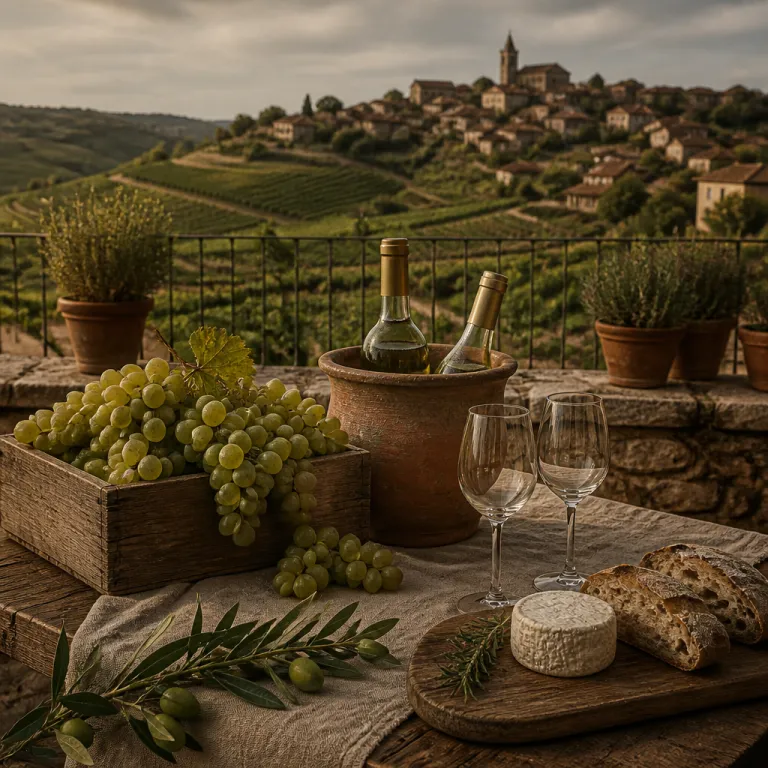
From sancerre vs sauvignon blanc to a territorial tourism narrative
For destination managers, the debate framed as sancerre vs sauvignon blanc is less a technical tasting question than a powerful storytelling tool. When you explain clearly that Sancerre is a wine region in the Loire Valley while Sauvignon Blanc is a grape used for white wine worldwide, you give visitors a simple key to understand terroir and origin. That clarity can anchor tourism product development that connects vineyards, landscapes, and cultural assets in one coherent narrative.
In practical terms, Sancerre as a wine region becomes the stage, while the sauvignon grape and its blanc wines are the actors that express the soils, slopes, and microclimates. The official figures for the Sancerre vineyard area, around 2 800 hectares in the Loire Valley (Loire Valley Wine Bureau, 2022), give Offices de Tourisme and Régions a concrete scale to work with when designing itineraries along the Loire River and across the surrounding hills. By contrast, global Sauvignon Blanc vineyard plantings exceed 120 000 hectares (International Organisation of Vine and Wine, 2020), which helps you explain to visitors why Sancerre wines feel so specific compared with sauvignon blanc wines from New Zealand, Chile, or South Africa.
For communication teams, this distinction between Sancerre wine and generic sauvignon blanc white wines is a chance to move beyond simple tasting notes and focus on place based identity. You can highlight how the Sancerre appellation links limestone and terres blanches soils, vibrant acidity, and mineral driven style to a precise French region rather than to a generic white wine profile. That approach supports premium positioning, higher value experiences, and a more resilient tourism economy for local actors over the years.
Executive summary for tourism leaders. In practice, the most effective strategies use the sancerre vs sauvignon blanc distinction to (1) design terroir based itineraries, (2) build multi sensorial food and wine experiences, (3) structure regional clusters around the Sancerre appellation, (4) communicate clearly with international visitors, and (5) integrate climate resilience into long term planning. The following sections provide concrete toolkits, case study style examples, and governance insights that Offices de Tourisme, Régions, and private partners can adapt to their own destinations.

Designing wine tourism products around terroir, not just grape variety
When regional stakeholders think about sancerre vs sauvignon blanc, the most strategic choice is to build products around terroir rather than around a single grape. Sancerre sauvignon wines are always made from the Sauvignon Blanc grape, yet the visitor experience changes dramatically from one slope, soil, or village to another within the same region. This is where Offices de Tourisme, agences de développement, and collectivités can structure themed routes that reveal how limestone, terres blanches, and flint translate into different white wine styles in the glass.
One itinerary might focus on mineral driven blanc Sancerre wines grown on terres blanches soils, pairing them with local goat cheese and views over the Loire Valley from the hilltop city of Sancerre. Another route could link producers working on silex rich parcels, where the wines show sharper acidity, citrus notes, and a more pronounced mineral edge, contrasting them with neighboring Pouilly Fumé estates across the Loire River. A third circuit might integrate red Pinot Noir from the Sancerre appellation, allowing visitors to compare white wines and light reds from the same wine region in a single day.
For inspiration on structuring such experiences, tourism leaders can look at high value wine tour strategies developed in other European regions, such as those outlined in this analysis of a Montepulciano wine tour strategy for high value regional tourism. The key lesson is that a bottle of Sancerre is not just a beverage but a narrative object that connects soils, years of know how, and local culture. By curating tastings that compare Sancerre wines with other sauvignon blanc wines, you help visitors feel the difference between a grape and a place, which strengthens both the brand of the region and the perceived value of its wines.
Practical toolkit. To make these concepts tangible, destination managers can (a) publish a simple terroir map showing limestone, terres blanches, and silex zones, (b) create half day and full day sample itineraries with suggested cellar visits and viewpoints, and (c) provide downloadable route sheets or GPX tracks for soft mobility. Short, well signposted circuits that combine two or three contrasting terroirs often generate higher satisfaction scores than long, unfocused drives between distant estates.
Building multi sensorial experiences around sancerre sauvignon and local gastronomy
For tourism product development teams, the contrast between Sancerre wine and other sauvignon blanc white wines is a perfect entry point to design multi sensorial experiences. Visitors may arrive asking about sancerre vs sauvignon blanc, but they leave with memories of landscapes, food pairings, and human encounters that go far beyond a single glass. This is where Offices de Tourisme and private actors can work together to integrate wine, gastronomy, and cultural programming into coherent offers.
A classic example is the pairing of blanc Sancerre wines with local goat cheese, which showcases both the vibrant acidity of the white wines and the richness of regional dairy traditions. Tasting rooms can guide guests through flights that compare Sancerre sauvignon from limestone parcels with sauvignon blanc wines from other Loire Valley appellations, highlighting differences in fruit notes, citrus intensity, and mineral structure. Restaurants and auberges can extend the experience by proposing menus that move from white to red, introducing Pinot Noir from the Sancerre appellation alongside dishes featuring river fish from the Loire River and seasonal fruit desserts.
Events provide another layer, especially when they are designed as anchors for high value tourism, similar in spirit to the approach analysed for the Fredericksburg food and wine festival as a tourism development anchor. A regional Sancerre wines weekend could combine guided walks through vineyards, comparative sauvignon blanc masterclasses, and concerts in village squares, each linked by shuttle or soft mobility routes. Such programming turns the simple question of sancerre vs sauvignon blanc into a multi day journey where every bottle of Sancerre, every plate of goat cheese, and every view over the Loire Valley reinforces the identity of the destination.
Case study style example. The annual “Fête des Vins de Sancerre” illustrates the impact of such multi sensorial programming. According to figures shared locally, recent editions have attracted several tens of thousands of visitors over a single weekend, with participating winegrowers reporting significant on site sales and nearby accommodation providers reaching very high occupancy rates. As one Sancerre producer summarised in 2023, “When visitors taste our sauvignon next to other Loire whites, they suddenly understand that Sancerre is not just a grape name on a label but a landscape they have walked through all day.” For tourism boards, this type of event demonstrates how a focused celebration of Sancerre sauvignon, local food, and village life can generate measurable economic benefits while strengthening the region’s international profile.
Structuring regional clusters and partnerships around the Sancerre appellation
From a governance perspective, the distinction between Sancerre as a region and Sauvignon Blanc as a grape can help structure effective clusters that unite public and private stakeholders. Offices de Tourisme, intercommunalités, and wine producers can position the Sancerre appellation as a flagship for the broader Loire Valley, using its international recognition to pull visitors into lesser known nearby areas. This cluster logic allows you to design tourism products that combine Sancerre wines with other white wines and cultural assets across the valley.
Partnerships with distributors and online retailers can also reinforce this strategy, especially when they communicate clearly about origin and terroir rather than only about grape variety. When an e commerce platform promotes a bottle of Sancerre alongside other sauvignon blanc wines, the messaging can emphasise the mineral driven style, vibrant acidity, and limestone soils that define Sancerre sauvignon. Even commercial arguments such as free shipping on mixed cases can be reframed to encourage visitors to taste across the Loire Valley, comparing Sancerre wines, Pouilly Fumé, and other blanc wines from the region.
For elected officials and development agencies, this approach aligns with broader investment signals in hospitality and tourism infrastructure, such as those analysed in this article on hospitality investment signals that shape DMO strategy. By treating Sancerre wine as a strategic asset rather than a simple agricultural product, you justify investments in visitor centres, interpretation trails, and mobility solutions that connect vineyards to villages. Over the years, such coordinated action strengthens the brand of the region, increases average spend per visitor, and supports both wine producers and non wine businesses in the local economy.
Partnership models. In practice, regional clusters work best when they include (a) a lead destination management organisation, (b) a representative group of winegrowers, (c) accommodation and activity providers, and (d) transport or mobility partners. Simple tools such as shared booking platforms, joint promotional campaigns, and co branded tasting passes make it easier for visitors to move from one sauvignon blanc appellation to another while keeping Sancerre as the reference point.
Communicating sancerre vs sauvignon blanc to educate and reassure visitors
Clear communication about sancerre vs sauvignon blanc is not only a marketing issue ; it is also a matter of trust and visitor satisfaction. Many international guests know the sauvignon blanc grape from supermarket shelves but have never heard of the Sancerre wine region or the Loire Valley, which can create confusion when they arrive on site. Destination managers have a responsibility to explain that Sancerre white wines are exclusively made from Sauvignon Blanc grapes and that this link between grape and place guarantees a certain style.
Visitor centres, digital guides, and winery staff can all use simple, factual messages to build confidence in the local offer. One key statement that should appear in educational materials is the following : “Is Sancerre always made from Sauvignon Blanc? Yes, Sancerre white wines are exclusively made from Sauvignon Blanc grapes.” This sentence reassures guests who are used to choosing wines by grape variety, while opening the door to a deeper explanation of how soils, climate, and years of experience shape the final white wine in the glass.
Comparative tastings are particularly effective tools for this type of communication, especially when they contrast Sancerre wines with other sauvignon blanc wines from different regions. Guides can invite visitors to focus on acidity, citrus notes, and mineral impressions, explaining how limestone and terres blanches soils in Sancerre create a distinctive, mineral driven style. By the end of the session, most guests understand that the question is not simply sancerre vs sauvignon blanc but rather how one specific region expresses the sauvignon grape in a unique way.
Calls to action. To convert this understanding into concrete behaviour, destinations can invite visitors to (a) book a guided “Sancerre vs Sauvignon Blanc” workshop, (b) follow a short educational trail through the vineyards, and (c) share their tasting notes or photos on social media using a dedicated regional hashtag. These simple actions extend the educational impact of each visit and amplify the Sancerre story beyond the cellar door.
Integrating wine, landscape, and climate resilience into long term planning
For Régions and collectivités, the long term value of the Sancerre wine region lies in its capacity to adapt while preserving identity. Climate change is already influencing acidity levels, fruit ripeness, and harvest dates for sauvignon blanc grapes in the Loire Valley, which in turn affects the style of Sancerre wines. Tourism strategies must therefore integrate both the current appeal of mineral driven blanc Sancerre and the need to support producers as they adjust viticulture and winemaking practices over the coming years.
Landscape planning plays a central role in this adaptation, because the same limestone slopes and terres blanches soils that give Sancerre sauvignon its vibrant acidity also shape the visual identity of the destination. Protecting vineyard views, managing erosion, and maintaining traditional dry stone walls all contribute to both wine quality and visitor experience. Investments in soft mobility routes along the Loire River, interpretive signage about soils and grape varieties, and shaded tasting areas can help visitors appreciate the region even during hotter summers.
For Offices de Tourisme and development agencies, this means designing products that remain attractive even if the exact balance of citrus notes, fruit intensity, and acidity in the wines evolves over time. Storytelling can shift gradually from a narrow focus on sancerre vs sauvignon blanc towards a broader narrative about how a historic wine region innovates while staying faithful to its roots. By aligning tourism development, environmental management, and wine sector strategies, local actors can ensure that every bottle of Sancerre opened by a visitor reflects not only a place and a grape, but also a shared commitment to the future of the Loire Valley.
Planning checklist. As part of long term destination management plans, regions can (a) integrate vineyard landscapes into climate adaptation strategies, (b) monitor visitor flows to sensitive sites, and (c) support training for winegrowers and guides on communicating climate issues. These measures help maintain the appeal of Sancerre sauvignon based tourism products while reinforcing the credibility of the destination’s sustainability narrative.
Key figures for Sancerre and Sauvignon Blanc
- The Sancerre vineyard area covers about 2 800 hectares, according to the Loire Valley Wine Bureau (2022), which gives destination managers a compact yet dense territory for wine tourism circuits.
- Global Sauvignon Blanc plantings reach roughly 123 000 hectares, based on data from the International Organisation of Vine and Wine (OIV, 2020), highlighting how small Sancerre is compared with the worldwide footprint of the grape.
- This means that Sancerre represents only a small fraction of global sauvignon blanc vineyards, which reinforces its positioning as a niche, terroir driven origin rather than a mass market white wine source.
- The Loire Valley as a whole stretches for more than 1 000 kilometres along the Loire River, offering ample space to combine Sancerre wines with other appellations and cultural attractions in multi day itineraries.
- Within this context, the concentration of high quality white wines in a relatively small Sancerre appellation area allows for dense, low travel time experiences that are attractive for short break visitors.
FAQ about Sancerre, Sauvignon Blanc, and tourism development
Is Sancerre always made from Sauvignon Blanc ?
Yes, Sancerre white wines are always produced from the Sauvignon Blanc grape, which means that every blanc Sancerre you serve in a tourism product expresses this single variety. The diversity comes from soils, exposures, and winemaking choices rather than from blending different grapes. This clarity simplifies communication with visitors who are used to choosing wines by grape name.
How does Sancerre differ from other Sauvignon Blanc wines ?
According to expert material, “How does Sancerre differ from other Sauvignon Blanc wines? Sancerre wines often exhibit flinty minerality and higher acidity due to the region's terroir.” In practice, this means that Sancerre sauvignon tends to show more mineral notes, vibrant acidity, and precise citrus fruit compared with many other sauvignon blanc white wines. Tourism experiences can highlight this difference through comparative tastings that include wines from other Loire Valley or New World regions.
Why is the distinction between region and grape important for tourism ?
For Offices de Tourisme and Régions, explaining sancerre vs sauvignon blanc helps visitors understand that they are travelling to a place, not just chasing a grape variety. This distinction justifies itineraries that link vineyards, villages, and landscapes rather than focusing only on cellar doors. It also supports premium pricing and longer stays, because guests perceive added value in the territorial story behind each bottle of Sancerre.
How can local actors integrate Sancerre wines into broader regional offers ?
Local actors can position Sancerre wine as a gateway to the wider Loire Valley, combining tastings with visits to castles, river activities, and other appellations such as Pouilly Fumé. Packages might include guided walks through limestone vineyards, goat cheese workshops, and boat trips on the Loire River, all framed around the theme of terroir and sauvignon blanc. This approach spreads economic benefits across multiple communes while keeping Sancerre as a strong flagship.
What role do Offices de Tourisme play in educating visitors about wine ?
Offices de Tourisme act as translators between technical wine language and visitor expectations, especially when guests arrive with only a basic idea of sauvignon blanc as a generic white wine. By providing clear maps, simple explanations of soils and grape varieties, and curated lists of producers, they help travellers navigate the Sancerre appellation with confidence. This educational role strengthens trust, encourages responsible consumption, and supports both wine estates and non wine businesses in the destination.
References
- Loire Valley Wine Bureau – official data on Sancerre vineyard area and appellation regulations (accessed 2022).
- International Organisation of Vine and Wine – global statistics on Sauvignon Blanc vineyard surface and production (OIV report 2020).
- Comité Interprofessionnel des Vins du Centre Loire – technical information on Sancerre soils, grape varieties, and wine styles (technical sheets consulted 2021).