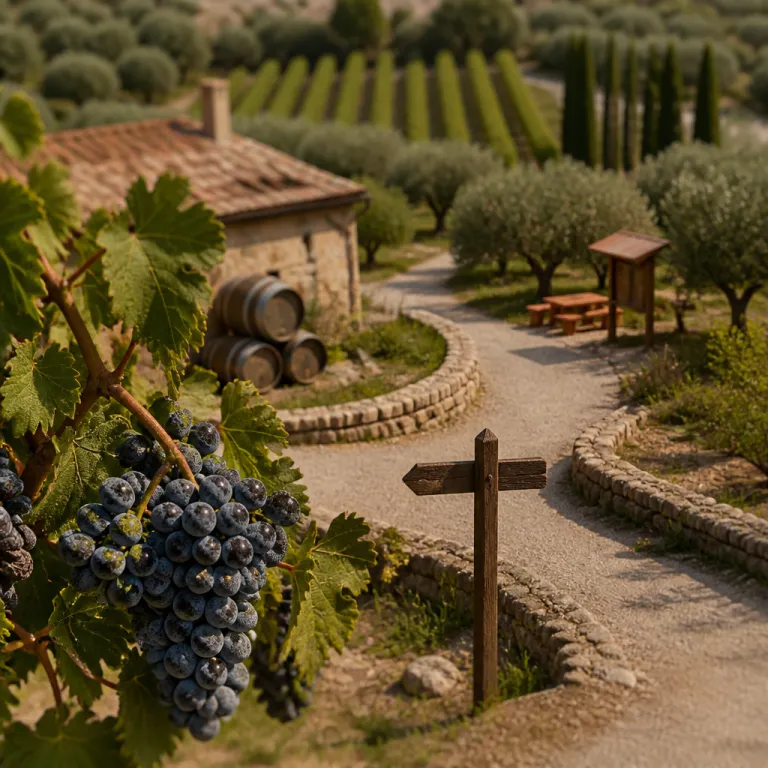
Turning the Tignanello winery into a strategic benchmark for destination governance
The Tignanello winery operated by Tenuta Tignanello is far more than a prestigious wine estate in Tuscany. For offices de tourisme and regional agencies, this Antinori family property offers a concrete model of how a coherent ecosystem of local tourism businesses can be structured around a flagship wine. The way the Marchesi Antinori family has positioned the Tignanello vineyard in San Casciano in Val di Pesa shows how one site can elevate an entire area when governance is clear, long term and shared with local partners.
This Tignanello estate sits in the historical Chianti area, at altitudes between roughly 350 and 400 metres above sea level, where vineyards, olive groves and rural hospitality form a dense network of stakeholders. The estate covers about 127 hectares of vineyards, and every parcel of grapes is managed with a precise vision of quality, landscape value and visitor experience. For destination managers, the way this estate articulates wine produced on site with accommodation, gastronomy and cultural storytelling offers a powerful template for integrated product development in the wider Chianti Classico territory.
Tenuta Tignanello is located in San Casciano in Val di Pesa, Tuscany, Italy, in the heart of the area called Chianti Classico. The Marchesi Antinori family owns Tenuta Tignanello and oversees the production of Tignanello wine, a Super Tuscan blend of Sangiovese, Cabernet Sauvignon and Cabernet Franc. This combination of native Sangiovese grapes with international Cabernet varieties has become a reference point for visitors interested in both tradition and innovation in Tuscan red wines.
Local authorities in Tuscany have long understood that a single iconic wine can anchor a broader narrative about Chianti Classico landscapes and Tuscan heritage. Around the Tignanello winery, small tourism businesses such as agriturismi, guides, drivers and restaurants benefit from the global reputation of Antinori wines and of the Super Tuscan category. Offices de tourisme can study how this family estate coordinates with local grape growers, transport providers and international distributors to maintain a consistent image of the territory and of the wine produced there.
The Tignanello vineyard was among the first in the area to challenge restrictive Chianti regulations by blending Sangiovese with Cabernet Sauvignon and Cabernet Franc in a fine table wine. This innovation, led by the Antinori winemaking team under the Antinori nel Chianti Classico umbrella, created a new category of red wines that now attracts high value visitors. For regional tourism boards, the historical development of Tignanello and Solaia shows how regulatory flexibility, when combined with strong quality control, can generate both economic impact and destination prestige.
Structuring local tourism businesses around a flagship wine narrative
Building an ecosystem around the Tignanello winery requires more than promoting wine tastings; it means orchestrating a complete visitor journey across multiple local tourism businesses. Offices de tourisme can map every touchpoint, from booking a visit at Tenuta Tignanello to staying in nearby accommodation and exploring villages nel Chianti. This mapping should highlight which services are produced locally and which partners, such as transport or guides, need capacity building to meet the expectations created by a renowned Antinori estate.
The Antinori family has turned each visit to the estate into a curated experience where the story of Tignanello Sangiovese and Sangiovese Cabernet blends is linked to the wider Chianti Classico landscape. Visitors walk through vineyards where Sangiovese, Cabernet Sauvignon and Cabernet Franc grapes grow side by side, then taste both red wines and white wines that are produced on different parcels. Local restaurants in the area often align their menus with these wines, pairing Tuscan dishes with Tignanello wine, Solaia Tignanello and other Antinori nel Chianti Classico labels to create a coherent narrative from vineyard to table.
For regional agencies, this alignment between vineyard, cellar, table wine culture and hospitality is a practical example of cluster strategy. Training programmes can help small businesses speak confidently about the estate, the grapes and the evolution over time of iconic cuvées such as Riserva Tignanello or Classico Riserva from neighbouring producers. Labour shortages in rural tourism make this coordination harder, and quantitative studies on tourism workforce shortages are particularly relevant when planning staffing for vineyard tours and cellar hospitality.
Offices de tourisme can also encourage guides and drivers to integrate the Tignanello winery into themed itineraries that connect several vineyards and hilltop towns. For example, a one day route might include Tenuta Tignanello in the morning, a lunch focused on local white grapes and red wines in a nearby village, then an afternoon visit to another Chianti Classico estate. Such itineraries spread visitor spending across multiple businesses while reinforcing the shared narrative of Tuscan wine produced with care from vineyard to glass.
To maintain quality, destination managers should work with the estate and other vineyards to define common service standards, from language skills to booking procedures. Clear guidelines on how to present the story of Tignanello, Solaia and other Antinori wines help avoid fragmented messaging. This shared framework also supports small operators who may lack marketing resources but can still align with the high standards set by the Tignanello winery and its partners.
From pricing power to territorial value: what Tignanello teaches about premium positioning
The global reputation of the Tignanello winery shows how a strong premium positioning can radiate value across an entire destination. When a bottle of Tignanello wine or Solaia Tignanello reaches high prices on international markets, it signals that the underlying area and its vineyards embody rarity and excellence. Offices de tourisme can leverage this perception to support higher average spending on accommodation, gastronomy and guided experiences linked to Chianti Classico and other Tuscan wines.
Tenuta Tignanello has built this premium image by focusing on meticulous work in the Tignanello vineyard, where Sangiovese, Cabernet Sauvignon and Cabernet Franc grapes are harvested parcel by parcel. The wine produced here is aged in barriques, with careful blending of Sangiovese Cabernet components to create a balanced yet powerful red. This attention to detail, combined with the heritage of the Antinori family and the specific conditions of the Chianti Classico area, justifies a clear price hierarchy between entry level table wine and iconic red wines.
Regional tourism agencies can apply similar logic when structuring pricing for experiences linked to the Tignanello winery. Premium vertical tastings of Tignanello, Solaia and other Antinori nel Chianti Classico wines can be priced higher, while more accessible tours might focus on the landscape, white grapes and local food. Guidance on how to refine vacation rental pricing strategies for regional destinations, including dynamic pricing models, can help align accommodation rates with the perceived value of staying near such an estate.
For elected officials and collectivités, the key is to ensure that this premium positioning benefits a wide range of local tourism businesses, not only the flagship estate. Incentives can encourage small hotels, B&Bs and restaurants to invest in quality upgrades that match the expectations of visitors attracted by Tignanello wine. Training on wine service, storytelling about Chianti Classico and knowledge of both red and white wines produced in the area can raise the overall standard.
Transparent communication about what is included in higher priced experiences also matters for trust. When visitors understand that a tour at the Tignanello winery includes guided walks through vineyards at specific altitudes above sea level, detailed explanations of grapes and blends, and curated tastings, they are more willing to pay a premium. This clarity supports both visitor satisfaction and the long term reputation of the destination as a place where price reflects genuine value.
Designing integrated wine tourism products with the Tignanello ecosystem
For offices de tourisme, the Tignanello winery can serve as the anchor for integrated wine tourism products that combine culture, landscape and gastronomy. A typical itinerary might start at Tenuta Tignanello with a guided tour of the vineyards, where visitors learn how Sangiovese, Cabernet Sauvignon and Cabernet Franc grapes are cultivated on slopes facing different directions. The guide can explain how these conditions, including altitude above sea level and soil composition, influence the style of Tignanello Sangiovese and Sangiovese Cabernet blends.
After the estate visit, the product can extend into nearby villages in the Chianti area, where local restaurants offer menus paired with Antinori wines and other Chianti Classico labels. Here, visitors can taste both red wines and white wines, including lighter options made from white grapes that complement traditional Tuscan dishes. Small shops can highlight local products such as olive oil, cheese and cured meats, reinforcing the link between the Tignanello vineyard landscape and everyday rural life.
Regional development agencies should work with the Marchesi Antinori family and other vineyards to create joint passes or digital cards that bundle several experiences. For example, a pass could include a standard tour at the Tignanello winery, a tasting of Classico Riserva from a neighbouring estate, and a cultural visit to a historic church or castle. Such bundling encourages visitors to stay longer in the area called Chianti Classico and to distribute their spending across multiple local tourism businesses.
Digital tools can support this integration by offering online booking platforms where visitors can reserve tours, tastings and accommodation in a single journey. Offices de tourisme can coordinate with the estate and smaller vineyards to ensure that availability, pricing and cancellation policies are clearly presented. This shared infrastructure reduces friction for visitors and helps smaller operators align with the professional standards of Tenuta Tignanello.
Finally, product design should consider seasonality and capacity. The Tignanello winery recommends that guests book tours in advance, wear comfortable shoes for vineyard walks and check seasonal hours before visiting. Destination managers can use this information to stagger demand, promote off peak experiences and avoid overcrowding at the estate, which in turn protects both the visitor experience and the delicate balance of the local ecosystem.
Governance, partnerships and risk management around a flagship estate
When a single estate such as the Tignanello winery becomes a global reference, destination governance must anticipate both opportunities and risks. Offices de tourisme and collectivités need formal mechanisms to coordinate with the Marchesi Antinori family, local grape growers and tourism businesses. These mechanisms should address issues such as traffic management, landscape protection and the distribution of economic benefits across the Chianti Classico area.
The governance model around Tenuta Tignanello involves close collaboration between the estate, local authorities and partners such as transport providers and international distributors. The estate relies on modern vinification equipment and traditional oak barrels, while working with local vineyards that supply grapes under strict quality criteria. This combination of innovation and heritage has helped elevate Italian wines on the global stage, but it also requires careful planning to ensure that increased visitor numbers do not damage the Tignanello vineyard or surrounding hillsides.
Destination managers can draw lessons from other governance cases, such as the restructuring described in detailed analyses of destination governance in the Gorges du Tarn. In the context of the Tignanello winery, similar principles apply when balancing the needs of the estate, neighbouring vineyards, residents and visitors. Clear zoning rules, parking strategies and visitor flow management help protect both the Tignanello vineyard and nearby villages.
Risk management should also consider climate change impacts on grapes and vineyards at different altitudes above sea level. Offices de tourisme can support communication campaigns that explain how estates like Tenuta Tignanello adapt their practices, from water management to soil conservation. This transparency reinforces trust and shows visitors that the destination takes environmental stewardship seriously.
Finally, governance must include crisis scenarios, such as sudden drops in international demand or disruptions to travel. By diversifying the offer around the Tignanello winery to include cultural events, gastronomy festivals and educational workshops on wine produced in the area, destinations can reduce dependence on a single market segment. This resilience strategy protects both the flagship estate and the wider network of local tourism businesses that rely on its magnet effect.
Translating the Tignanello model to other wine regions and destinations
For many regions, the Tignanello winery may seem like an unattainable benchmark, yet its underlying principles are transferable. The key is not to replicate the exact blend of Sangiovese, Cabernet Sauvignon and Cabernet Franc, but to identify a local flagship product or experience that can play a similar role. Offices de tourisme should start by mapping which vineyards, artisans or cultural sites already enjoy strong recognition and could anchor a broader ecosystem.
Once this anchor is identified, regional agencies can work with local businesses to build a coherent narrative, just as the Antinori family has done around Tignanello wine and Solaia Tignanello. Training programmes can help guides, hoteliers and restaurateurs speak confidently about grapes, vineyards and the evolution over time of key products. Even if a region does not produce Super Tuscan red wines, it can still structure experiences around its own white wines, sparkling wines or distinctive table wine traditions.
Destinations should also pay attention to the balance between innovation and heritage. The Tignanello winery pioneered the Super Tuscan category by challenging traditional Chianti rules while still honouring the landscape and culture of the area called Chianti Classico. Other regions can follow this path by allowing experimentation with blends, such as local Sangiovese Cabernet styles or new uses of white grapes, while maintaining strict quality standards. This approach can generate new interest without diluting identity.
For elected officials, the Tignanello example underlines the importance of long term commitment from both public and private actors. The Marchesi Antinori family has invested over decades in vineyards, cellars and visitor facilities, while local authorities have supported infrastructure and landscape protection. Similar partnerships can be built elsewhere, provided that roles, responsibilities and shared objectives are clearly defined.
Ultimately, the lesson from the Tignanello winery is that a well managed flagship estate can act as a catalyst for sustainable regional development. When offices de tourisme, development agencies and private actors align around a shared vision, the benefits extend far beyond a single vineyard. They create a resilient ecosystem where local tourism businesses, residents and visitors all gain from the careful stewardship of land, culture and wine.
Key statistics on Tenuta Tignanello and its tourism potential
- Tenuta Tignanello manages approximately 127 hectares of vineyards in the Chianti Classico area, according to figures commonly cited in Marchesi Antinori estate presentations and specialised wine publications, which provides a substantial landscape for vineyard walks and educational tours.
- The estate produces around 1,200,000 bottles of wine per year, based on production ranges reported in producer profiles for Antinori wines, indicating a scale that can support both global distribution and a robust on site tasting programme.
- The vineyards of the Tignanello winery are located near San Casciano in Val di Pesa at altitudes of roughly 350 to 400 metres above sea level, offering favourable conditions for Sangiovese, Cabernet Sauvignon and Cabernet Franc grapes and attractive panoramic views for visitors.
- The historical development of Tignanello includes a first commercial vintage in the early 1970s and the establishment of the current blend format in the early 1980s, as described in producer histories, illustrating several decades of consistent brand building that now benefits regional tourism.
- Rising global demand for Super Tuscan wines, including Tignanello and Solaia, documented in sector reports on premium Tuscan reds, has contributed to increased interest in wine tourism in Tuscany, creating opportunities for local tourism businesses to develop specialised services around vineyard visits and tastings.
FAQ about the Tignanello winery and regional tourism strategies
What makes the Tignanello winery relevant for destination managers?
The Tignanello winery is a clear example of how a single estate can anchor a network of local tourism businesses, from accommodation to gastronomy and guided tours. Its success shows how coordinated storytelling, quality standards and long term investment can elevate both a brand and an entire area. Destination managers can adapt these principles to their own flagship products or sites.
Where exactly is Tenuta Tignanello located and how does this influence tourism?
Tenuta Tignanello lies near San Casciano in Val di Pesa in Tuscany, within the Chianti Classico area. The surrounding hills, vineyards and villages create a compact territory where visitors can easily combine estate tours, cultural visits and local gastronomy. This geographical concentration supports the development of integrated itineraries managed by offices de tourisme and regional agencies.
How does the blend of grapes at Tignanello impact visitor interest?
The Tignanello wine blend of Sangiovese, Cabernet Sauvignon and Cabernet Franc was pioneering in the context of Chianti regulations and helped create the Super Tuscan category. Visitors are often curious about this innovation and want to understand how different grapes and parcels contribute to the final red wine. This curiosity provides a strong basis for educational tours and tastings that engage both enthusiasts and professionals.
What role does the Marchesi Antinori family play in regional tourism?
The Marchesi Antinori family owns the Tignanello winery and several other estates, and their long history in Italian winemaking gives them significant influence. By investing in vineyards, cellars and visitor facilities, they help attract high value tourism to the Chianti Classico area. Their collaboration with local authorities and businesses supports broader regional development beyond the estate itself.
How can smaller destinations apply lessons from the Tignanello model?
Smaller destinations can start by identifying a local flagship product or site that can play a similar role to the Tignanello winery. They should then build partnerships between public bodies, private businesses and producers to create coherent experiences and shared quality standards. Even without a globally famous wine, a well managed anchor attraction can structure an effective ecosystem of local tourism businesses.
References
- Marchesi Antinori official communications and estate presentations on Tenuta Tignanello and the Tignanello vineyard.
- Producer profiles for Tenuta Tignanello and Solaia in specialised wine publications covering Super Tuscan red wines.
- Sector reports on Super Tuscan wines, Chianti Classico tourism and premium Tuscan wine produced for export and on site sales.