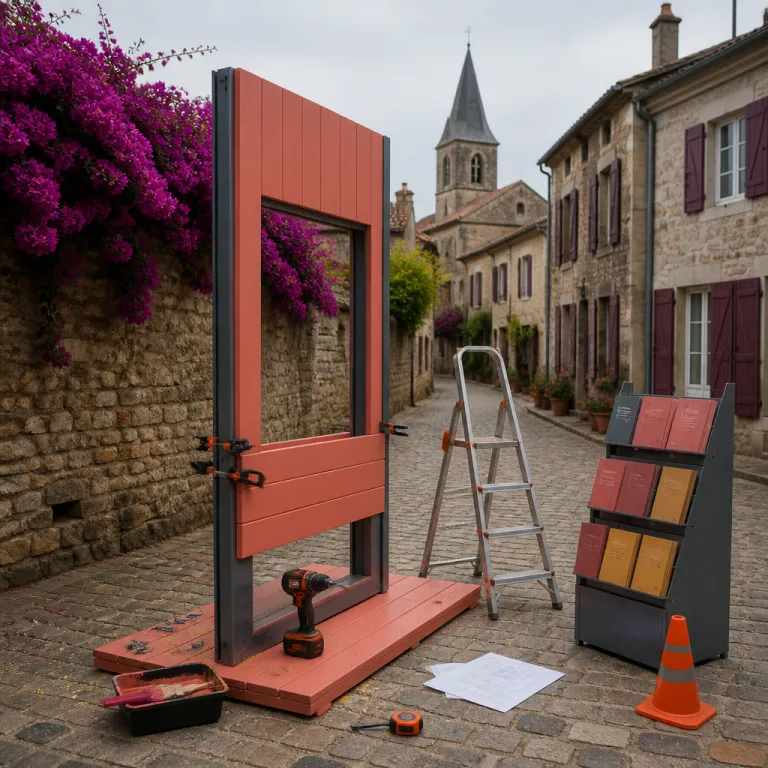
Why small villages in France must sit at the heart of regional tourism products
Across France, the strategic value of small rural communities is no longer marginal. For regional tourism boards and offices de tourisme, each village and small town now functions as a core product module rather than a simple picturesque stop. When these places are treated as structured tourism products, it becomes possible to align local expectations, regional KPIs, and national brand narratives in a single coherent strategy.
The association Les Plus Beaux Villages de France, which promotes and preserves some of the most beautiful villages in France, offers a powerful framework that regional actors can adapt for their own towns and villages. Its label covers 159 villages France-wide (2024 figure published by the association), and this concentration of beaux villages shows how rural heritage can be curated as a premium offer instead of a secondary add-on. For elected officials and private operators, the lesson is clear: a compact village with intact cobblestone streets, half-timbered façades, and traditional stone or timbered houses can anchor a high-value day itinerary if the product is designed deliberately.
Tourism directors who manage both a city and its surrounding towns and villages often underestimate the pull of a single well-curated village. A carefully staged visit to a medieval settlement located near a larger town can extend average stays in the city by 0.5 to 1 day and shift spending into local wine, crafts, and accommodation. In the Dordogne valley, for example, local observatory data shared by the departmental tourism committee for the Martel–Rocamadour corridor showed that packaging a labelled village visit with a city-break offer increased average length of stay from 2.1 to 2.7 nights between 2016 and 2019, while village-based spending per visitor rose by just over 20%. When a network of picturesque villages is positioned as the best way to experience France’s rural culture, visitor flows are also spread away from saturated city centres and into communities that actively seek tourism revenue.
From postcard to product : structuring experiences in small towns and villages
Many offices de tourisme still promote small towns and villages with generic language about a beautiful village or a charming town. That approach no longer works for sophisticated travellers who compare dozens of rural destinations in France online before they book. Today’s visitors expect clear promises, precise themes, and a day itinerary that feels curated rather than improvised.
To move from postcard to product, regional planners can start by mapping the tangible and intangible assets of each village and small town. In a place like Saint-Cirq-Lapopie, the steep cobblestone streets, half-timbered houses, and views over the Lot river can be structured into a three-hour circuit, followed by a local wine tasting and a workshop with artisans. In Martel and Rocamadour, sometimes promoted together as the Martel–Rocamadour corridor, the combination of religious heritage, cliffside architecture, and rural gastronomy can become one of the best themed routes among picturesque villages in south-west France.
Regional agencies should benchmark their town and village products not only against other towns across the country, but also against successful city-break models. A useful analysis of how regional DMOs borrow misleading benchmarks from major cities can be found in this article on urban tourism benchmarks for regions. When a small-town product is compared to a city product, it quickly becomes clear that the village experience must emphasise time, slowness, and local contact rather than density of attractions, and that shift in narrative will change how brochures, digital content, and guided visit offers are designed.
Designing themed itineraries : from Saint Jean to Saint Jacques routes
The most resilient tourism products in small villages in France are rarely single-site visits; they are themed itineraries that connect several towns and villages under one strong story. For regional planners, this means working across administrative borders to link a village dedicated to wine, another to religious heritage, and a third to outdoor activities. The goal is to create a day itinerary or two-day loop that feels coherent to the visitor and profitable to the local economy.
Pilgrim and heritage routes around the name saint remain underused assets in many regions. A route that links a coastal quarter such as Saint Jean in a larger town with inland villages dedicated to Saint Jacques can combine spiritual heritage, local gastronomy, and soft mobility. In Occitanie, for example, a circuit that connects Saint-Cirq-Lapopie, nearby beaux villages, and the Martel–Rocamadour area can be positioned as one of the most beautiful villages France pilgrim-themed journeys, with clear stages, bookable accommodation, and curated encounters with local residents.
For rural areas near the French Riviera and the Côte d’Azur, themed itineraries can shift attention away from the crowded seafront city and into hilltop villages located a short drive inland. An in-depth guide on how French country towns can reinvent tourism products for long-term value is available in this analysis on rural tourism product reinvention. When these small towns and picturesque villages are framed as the best complement to a coastal stay, the average day spent in the region is extended and visitors are encouraged to find new reasons to return.
Balancing preservation and access in historic streets and heritage fabric
Every director who manages tourism in small villages in France faces the same tension between access and preservation. Visitors want to walk freely through narrow streets, photograph every beautiful façade, and enjoy the atmosphere of a centuries-old village. Residents want peace, functional services, and a local economy that does not depend entirely on a single season.
In villages labelled by Les Plus Beaux Villages de France, the heritage fabric often includes half-timbered houses from the late medieval and early modern periods, Romanesque churches dedicated to a saint, and fragile cobblestone streets that cannot support heavy traffic. Product development must therefore integrate mobility management, parking outside the village, and timed visit slots for large groups. When the tourism product is designed around these constraints, the long-term value of the village is protected while visitors still enjoy the best possible experience.
Digital tools now allow offices de tourisme to guide visitors through a village or small town without saturating the physical space with signage. Self-guided tours delivered via mobile apps, digital village guides, and QR codes located at key points in the town can spread flows across different streets and times of day. This approach works particularly well in villages across France where the main square fills quickly; by suggesting alternative routes, visitors are encouraged to find quieter corners, meet local artisans, and spend more time in less obvious parts of the town.
Leveraging local culture, wine, and gastronomy as core product pillars
Authentic local culture remains the strongest differentiator for small villages in France competing with major city destinations. Travellers who choose a village or small town over a large city are often motivated by the promise of local encounters, regional wine, and traditional cuisine. For tourism boards, this means that gastronomy and viticulture cannot be treated as optional extras; they are central to the tourism product.
In many picturesque villages located near wine regions, a structured visit can include a morning walk through historic streets, a midday tasting of local wine, and an afternoon workshop with producers. A village that sits on a hillside above the French Riviera or the Côte d’Azur can position itself as the best place to experience France’s coastal terroir away from the crowds. When local markets, seasonal menus, and wine routes are integrated into official itineraries, visitors gain reasons to stay an extra day and to return in another season.
Partnerships with restaurateurs, winegrowers, and artisans should be formalised in tourism product development plans. Offices de tourisme can coordinate joint offers that bundle accommodation in a village, a guided visit of nearby towns and villages, and a themed dinner featuring products from the surrounding countryside. This type of integrated product not only increases average spend per day—often by 15–25% according to regional case studies published by Atout France and several CRTs—but also strengthens the resilience of the local economy by spreading benefits across multiple actors in the town and its neighbouring villages.
Governance, data, and sustainability for long term village tourism
For regional and local authorities, the future of small villages in France as tourism products depends on governance and data as much as on scenery. Without shared objectives between communes, intercommunal structures, and private operators, even the most beautiful villages risk fragmented offers and inconsistent visitor experiences. A clear governance framework allows each village and town to position its role within a wider regional narrative.
Reliable data on visitor flows, length of stay, and spending patterns in small towns and villages remains scarce in many parts of France. Offices de tourisme can address this gap by coordinating simple counting methods, digital feedback tools, and regular surveys in both the city and surrounding villages. When these données are aligned with sustainability indicators and recognised destination certifications, investments can be prioritised that protect heritage, support local residents, and maintain the attractiveness of villages across France; a useful hierarchy of destination sustainability certifications is outlined in this resource on credible sustainability certifications for regional boards.
Capacity building is equally important, especially in very small towns where tourism is managed by limited équipes. Training programmes on tourism product development, digital marketing, and visitor management should be tailored to the specific realities of picturesque villages, not copied from big-city models. As the Les Plus Beaux Villages de France Association explains in its mission statement, it is an organisation dedicated to promoting and safeguarding France’s most beautiful villages, and its network demonstrates how shared standards, peer learning, and a strong collective brand can help even the smallest village compete on an international stage.
Key figures and strategic insights for small village tourism
- There are 159 villages recognised by the Les Plus Beaux Villages de France Association (2024 data), which gives regional planners a substantial existing network of beautiful villages to integrate into itineraries and marketing strategies.
- These beaux villages are distributed across multiple regions in France, meaning that almost every regional tourism board can connect at least one labelled village with nearby towns and cities to create multi-day rural cultural routes.
- The association’s villages are accessible year-round, allowing offices de tourisme to design four-season products that reduce dependence on a single summer peak and stabilise employment in small towns and villages.
- Rural tourism has shown sustained growth in recent years—France’s national tourism observatory (Direction Générale des Entreprises / Atout France) and INSEE both report that countryside overnight stays have risen by several percentage points over the past decade—and this trend supports investment in infrastructure such as parking hubs, soft mobility links, and digital guides for small villages in France that previously relied mainly on day trippers.
- The rise of culinary tourism, especially around wine regions and local produce, reinforces the strategic choice to position village-based gastronomy as a core pillar of regional tourism products rather than a secondary activity.
FAQ about tourism product development in small French villages
What is Les Plus Beaux Villages de France and why does it matter for regions ?
Les Plus Beaux Villages de France is an association that promotes and preserves some of the most beautiful villages in France through a strict labelling process. For regions and offices de tourisme, this label offers a recognised quality benchmark that can anchor premium itineraries and justify investments in heritage, mobility, and visitor services. Integrating these villages into broader town and city networks helps position the entire destination as France’s rural alternative to overcrowded urban centres.
How many labelled villages can regional tourism boards work with ?
As of the latest available data, the association includes 159 villages across France. This number gives regional tourism boards a wide choice of picturesque villages to integrate into themed routes, from wine-focused itineraries to pilgrim paths linked to Saint Jacques traditions. Even regions without a labelled village can collaborate with nearby territories to include these beaux villages in cross-border products.
Are small villages accessible throughout the year for tourism products ?
Most villages in the Les Plus Beaux Villages de France network are accessible year-round, although some services may reduce hours outside peak seasons. This year-round accessibility allows tourism boards to design off-season offers such as winter gastronomy weekends, spring hiking routes between towns and villages, or autumn wine harvest experiences. For small towns and villages, spreading visits across the year reduces pressure on fragile streets and heritage while stabilising local income.
What practical advice should offices de tourisme share with visitors to small villages ?
Offices de tourisme should encourage visitors to learn a few basic French phrases, check local opening hours carefully, and respect local customs in small communities. Clear communication about parking, mobility inside the village, and appropriate behaviour in religious sites dedicated to a saint or Saint Jacques helps maintain good relations with residents. Providing digital maps and self-guided circuits also improves the quality of each visit while protecting sensitive areas such as narrow cobblestone streets.
Which tourism trends are most relevant for small towns and villages ?
Rural tourism growth and the rise of culinary tourism are particularly relevant for small villages in France, because they align with existing strengths such as local wine, traditional cuisine, and historic streets. Travellers increasingly seek picturesque villages and small towns where they can slow down, meet local people, and stay in characterful accommodation rather than anonymous city hotels. For regional planners, these trends justify long-term investment in village infrastructure, product development, and training for local actors.