Is Nice, France worth positioning as a flagship Mediterranean city?
Is Nice, France worth positioning as a flagship Mediterranean city ?
For destination strategists, the question is not only “is Nice France worth visiting” but whether the city can credibly anchor a long term French Riviera brand platform. Nice in France combines a dense urban fabric, a historic town core, and a seafront promenade that already live in the imagination of international travel audiences. When a place already answers the emotional need for a Mediterranean beach escape and a cultured city break in one day, it becomes a powerful asset for territorial marketing and long term place branding.
Nice Tourism Office and regional partners manage a destination where around five million visitors a year validate that the French city delivers on its promise. According to figures published by the Office de Tourisme Métropolitain Nice Côte d’Azur and INSEE for the early 2020s, the metropolitan area records several million overnight stays annually, with a strong summer peak and a resilient off season city break profile. This scale of travel demand gives Offices de tourisme, collectivités, and private actors a solid base of data to refine positioning around the Promenade des Anglais, the Belle Époque façades, and the compact vieux Nice with its narrow streets. For regional branding teams, the task is to articulate why visiting Nice is not just another stop on the Côte d’Azur but the best gateway to the wider Riviera narrative.
From a branding perspective, the city offers rare coherence between image and experience, which is essential when you promote a place as the best introduction to the south of France. Visitors can walk from a hotel on the waterfront sur mer to the market at Cours Saleya in minutes, then continue to Place Masséna and up to Castle Hill without breaking the storyline of their day trip. This continuity allows you to design campaigns where the phrase “visit Nice” naturally leads to curated itineraries, concrete things to do, and measurable economic impact for the whole région. A concise lead message, followed by clear calls to action such as “plan a three day Nice city break” or “use Nice as your Riviera base”, helps convert this narrative into bookings and repeat visits.
Designing a destination brand around Nice’s Riviera landscapes and urban life
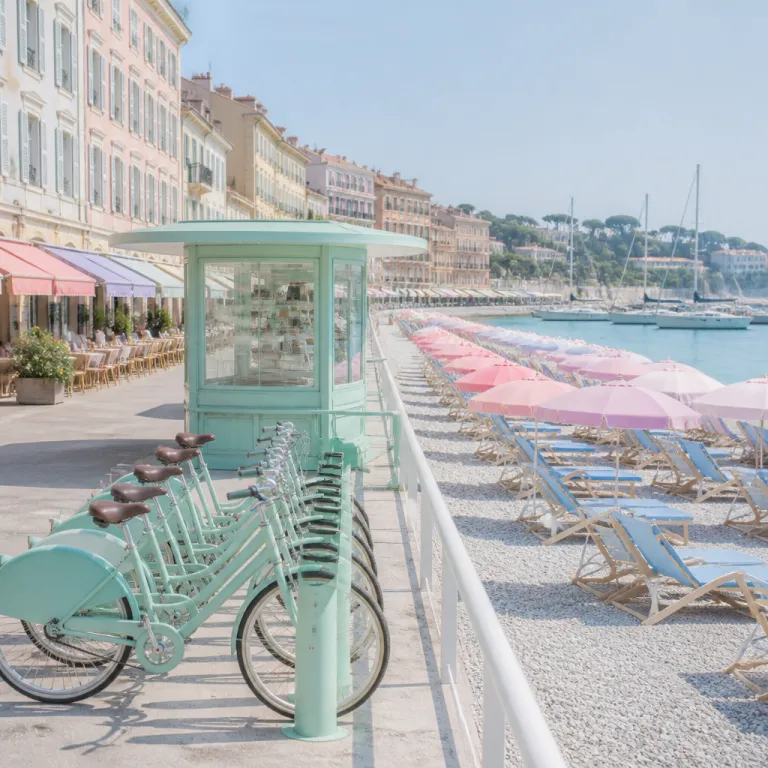
Any serious answer to “is Nice France worth visiting” must start with the Riviera landscapes that frame the city. The curve of the Baie des Anges, the sequence of public and private beaches, and the long promenade des Anglais together create a visual identity that is instantly recognisable in travel campaigns. For Offices de tourisme and agences de développement, this coastline is not only a beach asset but a stage where the brand of the French Riviera is performed every day, from sunrise joggers to evening promenades.
Branding work should connect the urban rhythm of Nice with the slower tempo of nearby town experiences such as Villefranche sur Mer, reached easily as a half day trip by train or boat. When you promote Nice France as a base, you can frame these smaller places as complementary “chapters” in a wider Côte d’Azur story, each offering different things to see and different beaches to enjoy. This approach helps regional actors avoid a fragmented message and instead present the south of France as a coherent, multi day travel proposition anchored in one primary city that functions as a hub for coastal and inland excursions.
Culinary positioning also matters, especially as the context mixes French and Italian influences in both street food and fine dining. A strategy that links Cours Saleya’s market, local cuisine, and Mediterranean art of living can draw inspiration from specialised analyses of gastronomic branding, such as expert insights on Italian cuisine for destination strategists available through a dedicated article on regional culinary narratives. As one local restaurateur summarised during a Nice Tourism Office workshop, “People come for the sea, but they remember the taste of socca and the evenings on the terraces.” By weaving food, seafront life, and urban art into one storyline, you give visiting Nice a depth that goes far beyond a simple beach holiday and reinforce the perception that this is the best place to start exploring the wider Riviera for lifestyle travellers, culture seekers, and food motivated audiences.
From postcard clichés to a differentiated Nice city brand
Many international audiences already associate Nice in France with generic images of the French Riviera, so the branding challenge is to move beyond clichés without losing them. The question “is Nice France worth visiting” becomes a question of how to show that this city offers more than a promenade and a beach, while still using those iconic assets as entry points. Destination branding teams must therefore identify the best things that only Nice can claim, and make them central to the narrative so that the city stands out among Mediterranean city break options.
Vieux Nice, with its ochre façades and narrow streets, offers a strong contrast to the open sky of the promenade des Anglais and the formal geometry of Place Masséna. This compact town centre allows you to stage thematic walks that connect art galleries, local food, and Belle Époque architecture in a single day, turning “things to do in Nice” into curated experiences rather than generic lists. When visitors climb Castle Hill for a panoramic view of the city and the Côte d’Azur, they physically grasp how close the sea, the old town, and the modern quarters sit, which reinforces the sense of a complete place and supports a differentiated Nice city brand.
Governance actors should also be cautious about over inclusive co creation processes that dilute the brand into a compromise. Analyses of the co creation trap in place branding show how consulting everyone can produce a destination identity that speaks to no one, a risk that is very real in a complex Riviera ecosystem. A clear, selective narrative that positions visit Nice as the primary call to action, while still signposting day trip options to Villefranche sur Mer and other coastal towns, will help Offices de tourisme and private partners maintain both clarity and regional solidarity. A focused storyline also makes it easier to brief agencies, align content creators, and evaluate which messages actually shift perceptions.
Aligning visitor experience with Nice’s brand promise across the territory
For the claim “is Nice France worth visiting” to remain credible, the on site experience must consistently match the expectations created by marketing. This means that every touchpoint, from the first travel blog article a potential visitor reads to the welcome at the hotel reception, should echo the same Riviera story. Offices de tourisme and local tour guides play a central role here, translating the abstract brand into concrete itineraries that connect the beach, the city, and the surrounding Côte d’Azur landscapes in ways that feel effortless for the visitor.
Operationally, this alignment requires close collaboration between the Nice Tourism Office, local hotels, tour operators, and cultural institutions. When a visitor decides to visit Nice for three or four days, they should find coherent information about the best time to enjoy the promenade des Anglais, how to reach Cours Saleya by tram, and which art museums to include between two afternoons on the beaches. Clear wayfinding to Place Masséna, accessible routes to Castle Hill, and multilingual support in French and English all contribute to a seamless perception of the place and reduce friction that could undermine the brand promise.
Safety and comfort are also part of the brand promise, especially for long haul markets evaluating whether the south of France is a suitable first European trip. In this context, the reassurance that “Is Nice safe for tourists? Yes, Nice is generally safe for tourists.” becomes a key message that Offices de tourisme can integrate into both digital content and on site communication. By combining this reassurance with practical advice on public transport, air and train travel, and realistic day trip options to nearby towns sur mer, destination managers reinforce trust and encourage longer stays that benefit the whole region and support more sustainable visitor flows.
Data driven territorial marketing for Nice and the wider Côte d’Azur
When regional leaders ask “is Nice France worth visiting” they should also ask which audiences find the city most compelling, and why. With around five million annual visitors, the destination generates a rich flow of quantitative and qualitative data that can guide strategic choices for Offices de tourisme and collectivités. Analysing origin markets, length of stay, and preferred things to do in Nice helps refine whether to emphasise the beach, the art museums, or the role of the city as a hub for day trips along the French Riviera, and allows for differentiated messaging for families, couples, and business travellers.
Recent growth in American tourism and culinary travel segments suggests that Nice France can be positioned as both a lifestyle capital and a practical gateway to the south of France. Campaigns can test different creative angles, from sunrise walks along the promenade des Anglais to slow evenings in vieux Nice, and then measure which narratives generate the best engagement and bookings. Insights from such tests should feed into a shared regional dashboard, allowing partners from Villefranche sur Mer to inland towns to align their own messaging with the strongest Riviera themes and avoid competing storylines that confuse potential visitors.
Strategists should also monitor how awareness campaigns evolve, as many Destination Marketing Organisations are rethinking their mix between broad visibility and more focused, conversion oriented actions. Analyses of why some awareness campaigns have been reduced in number can help Nice and Côte d’Azur actors decide when to prioritise brand building around the idea of visiting Nice, and when to push specific products such as themed itineraries or off season cultural events. A disciplined, data informed approach ensures that the promise of the place remains clear while marketing investments deliver measurable value for the entire territory and provide evidence for future budget decisions.
Leveraging storytelling, partners, and channels to promote visiting Nice
To keep the answer to “is Nice France worth visiting” firmly positive in the minds of global travellers, destination managers must orchestrate consistent storytelling across multiple channels. High quality photography of the promenade des Anglais at different times of day, with descriptive alt text such as “sunrise on the Promenade des Anglais in Nice, France”, video content from Castle Hill, and human scale stories from the narrow streets of vieux Nice all help translate the brand into emotions. Travel blog collaborations can extend this narrative, especially when they show how easy it is to use Nice as a base for day trips along the Côte d’Azur and to combine seaside relaxation with cultural discovery.
Partnerships with local hotels, airlines, and tour operators allow the city to move from abstract promotion to concrete offers that answer specific travel motivations. A campaign might highlight the best things to do in three days, combining mornings on the beaches, afternoons exploring art museums, and evenings in Cours Saleya or Place Masséna, always framed by the idea of a refined yet accessible French Riviera lifestyle. For instance, a tested Nice city break itinerary can start with a walk along the promenade des Anglais, continue by tram to the old town in under ten minutes, and finish with a short train ride of about fifteen minutes to Villefranche sur Mer for sunset. By integrating practical information on air travel, train connections, and public transport, Offices de tourisme make the decision to visit Nice feel both aspirational and simple, and can end each campaign with a clear call to action such as booking a long weekend or planning a multi stop Riviera itinerary.
Finally, governance structures should ensure that the Nice Tourism Office and Local Tour Guides share a common narrative and up to date tools such as tourist maps and digital guides. Training front line staff to speak confidently about the whole region, from the city centre to nearby towns sur mer, reinforces the perception that Nice France is the best starting point for exploring the wider Riviera. When every actor, public and private, tells a compatible story about the place, the destination brand becomes stronger than any single campaign and keeps attracting visitors who are already predisposed to appreciate what the city offers, turning first time guests into repeat ambassadors.
Key figures for Nice as a Riviera destination
- Nice welcomes around five million visitors per year, a volume that places the city among the most visited urban destinations in France after Paris, according to data referenced by the Office de Tourisme Métropolitain Nice Côte d’Azur and INSEE tourism statistics for the early 2020s (see the metropolitan tourism barometer and INSEE regional tourism reports for detailed figures).
- The city’s location on the Mediterranean coast, at approximately 43.71° north and 7.26° east, positions Nice as a natural hub for travel along the Côte d’Azur between the Italian border and the rest of southern France.
- Nice Airport offers direct flights from major cities worldwide, which significantly reduces travel time for long haul markets and strengthens the city’s role as a gateway to the French Riviera and a convenient starting point for multi destination itineraries.
- The destination benefits from a year round tourism profile, with summer focused on beach activities and winter characterised by a mild climate that supports cultural city breaks and off season events, as highlighted in recent metropolitan tourism reports and INSEE analyses of seasonal visitor flows.
FAQ about promoting Nice, France as a destination
Is Nice safe for tourists and how should this be communicated ?
Nice is generally considered safe for tourists, and this reassurance should appear clearly on official channels, in visitor guides, and in training for front line staff. Offices de tourisme can combine this message with practical advice on local regulations, emergency contacts, and recommended behaviour on the promenade and beaches. Transparent communication builds trust and supports the overall brand promise for first time visitors and repeat guests alike.
What is the best time to promote visiting Nice for different markets ?
Spring and autumn offer pleasant weather and fewer crowds, which makes these seasons ideal for cultural city breaks and targeted campaigns to experienced travellers. Summer remains the peak period for beach focused audiences, especially families and first time visitors to the French Riviera. Winter can be positioned around mild climate escapes, events, and attractive hotel rates for longer stays, with messaging adapted to nearby European markets and long haul segments seeking a softer introduction to Europe.
How important is air and train access in the Nice destination brand ?
Air travel and train travel are central to Nice’s positioning as an accessible Mediterranean hub. Direct flights to Nice Airport from major cities and high speed rail connections within France reduce perceived distance and encourage multi day stays. Destination marketing should highlight this connectivity when answering whether Nice France is worth visiting for short breaks or extended holidays, and should integrate access information into itineraries and booking tools.
How can Nice be promoted as a base for exploring the wider Côte d’Azur ?
By emphasising the ease of day trips to nearby towns such as Villefranche sur Mer, Antibes, or inland villages, Nice can be framed as the best starting point for a Riviera itinerary. Clear information on transport, suggested routes, and themed excursions helps visitors plan several things to do beyond the city itself. This approach benefits both Nice and surrounding territories through more balanced visitor flows and encourages longer, more immersive stays.
Which local actors should be involved in Nice’s destination branding efforts ?
Effective branding requires coordination between the Nice Tourism Office, local tour guides, hotels, cultural institutions, transport providers, and municipal services. Each actor contributes a piece of the visitor experience, from information and accommodation to mobility and events. A shared strategy and regular data sharing ensure that all partners support the same narrative about visiting Nice and the French Riviera, and that campaigns can be adjusted quickly when market conditions change.
References
- Office de Tourisme Métropolitain Nice Côte d’Azur – recent visitor statistics and destination reports for the early 2020s, including the metropolitan tourism barometer and annual activity reports.
- INSEE – national statistics on tourism flows and regional economic impact in France, including data for the Provence-Alpes-Côte d’Azur region and specific Nice Côte d’Azur metropolitan studies.
- Local metropolitan tourism observatories – seasonal breakdowns of visitor numbers, accommodation capacity, and event attendance in Nice and surrounding communes, used by regional partners to inform Côte d’Azur gateway strategies.