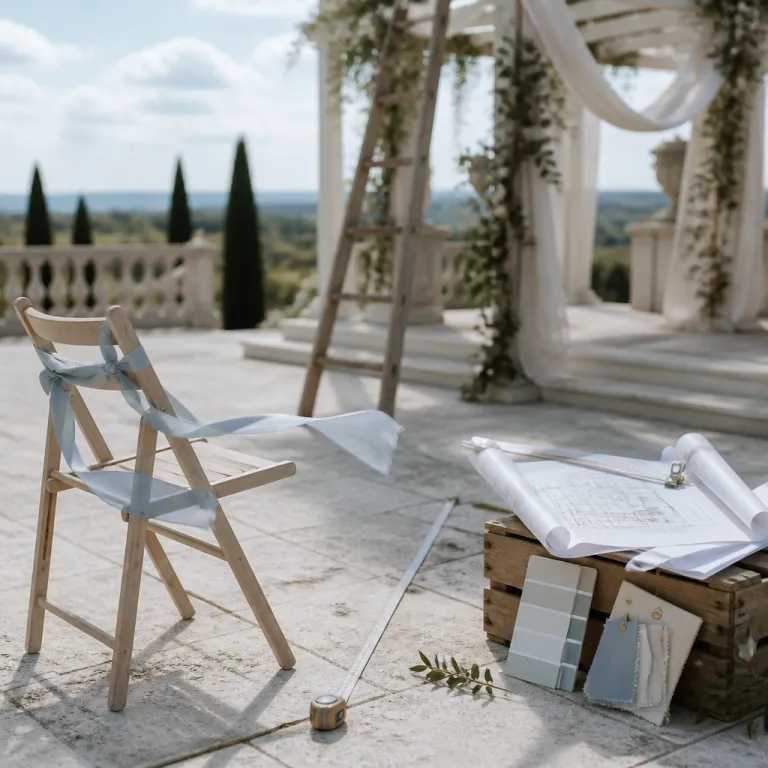
How wedding locations in the south of France drive high value tourism
Positioning wedding locations in the south of France as a strategic tourism product
For regional tourism leaders, wedding locations in the south of France are no longer a niche, they are a high value lever for territorial development. When a couple chooses a wedding venue in France, they activate a complex tourism chain that benefits offices de tourisme, collectivités, and private partners for several years. Each celebration south of the main source markets can become a multi day micro destination wedding, with repeat visits and word of mouth that extend far beyond the ceremony.
The south of France concentrates some of Europe’s most coveted wedding venues, from a historic château in Provence to a contemporary domaine in Nouvelle Aquitaine or a seafront estate on the French Riviera. These estates south of the main urban hubs attract international guests who often stay three to five nights, which significantly increases average spend per guest and supports local employment. For a single France wedding, the guest count often ranges between 80 and 150 guests, which means that even a medium sized property can generate several hundred overnight stays when it also offers on site sleeps capacity.
Data from specialized planners and regional tourism barometers indicate that the average cost of a wedding in the south of France is around 40 000 euros, and this figure excludes flights and pre or post stays. Estimates published by INSEE on household event spending, complemented by surveys from industry associations such as the Union Nationale des Professionnels de l’Événementiel and regional observatories in Provence-Alpes-Côte d’Azur and Nouvelle Aquitaine, converge around this order of magnitude. For offices de tourisme and agences de développement, this level of expenditure justifies a dedicated strategy for wedding locations in the south of France, aligned with broader tourism product development. The objective is clear ; transform each wedding venue into a gateway to the wider région, from wine country itineraries to coastal experiences on the Côte d’Azur and in Occitanie.
As one Provence based planner explains, “A single three day celebration can generate the equivalent of a small festival in terms of room nights, restaurant bookings, and local services, but with far less pressure on public space.” This type of testimony, echoed in qualitative interviews conducted by regional tourism barometers, helps élus and destination managers understand why destination weddings deserve a place in long term tourism strategies.
Mapping and segmenting châteaux, domaines and estates as flagship wedding venues
Building a coherent offer of wedding locations in the south of France starts with a rigorous mapping of châteaux, domaines, villas and estates. Offices de tourisme should classify each wedding venue by type of architecture, landscape setting, guest count capacity, and on site sleeps options such as a sleeps château or a rural domaine with gîtes. This segmentation allows collectivités and élus to identify gaps in the portfolio of wedding venues south of major cities and to prioritize support for under represented formats.
In Provence, for example, a château surrounded by wine country will not serve the same market as a coastal estate near Nice on the French Riviera. The first may position itself as a multi day destination wedding hub, with on site venue hire and activities such as vineyard tours, while the second may focus on shorter stays with easy airport minutes access and high end services. In Nouvelle Aquitaine, a rural domaine can complement the coastal offer of Nouvelle Aquitaine’s Atlantic façade, creating a balanced network of venues that spreads visitor flows inland.
Regional actors should also benchmark their mapping work against other innovative destination strategies, such as those analysed in studies about how regional DMOs borrow benchmarks from cities and why half of them mislead. By comparing the performance of each France wedding venue cluster, from Occitanie to the Côte d’Azur, decision makers can refine incentives for renovation, accessibility, and sustainable practices. This structured approach turns the simple listing of wedding venues into a strategic tourism product development tool that aligns private venue hire investments with public policy goals.
To support this work, tourism teams can compile a simple internal table that lists for each château or domaine the maximum guest count, on site sleeps capacity, and typical transfer time from the nearest airport. Over time, this dataset becomes a reference for planners, élus, and investors who need reliable, comparable information, especially when cross checked with venue fact sheets, professional directories, and regional accessibility studies.
Designing multi day wedding experiences that anchor visitors in the territory
Once the core inventory of wedding locations in the south of France is clear, the next step is to design multi day experiences that keep guests in the région. A wedding south of the main source markets is rarely a one day event ; couples expect a welcome dinner, a rehearsal, the ceremony, and often a farewell brunch. For tourism boards, this multi day structure is a perfect framework to integrate local experiences, from guided walks to wine country tastings and cultural visits.
In Provence, a château or domaine near Aix en Provence can propose curated itineraries that link the wedding venue with nearby villages, markets, and art sites. In Nouvelle Aquitaine, a France wedding in a rural estate can be combined with Atlantic coast excursions, cycling routes, and visits to vineyards, which encourages guests to extend their stays. Offices de tourisme in Occitanie can work with venues south of Toulouse or Montpellier to create themed days around heritage, gastronomy, or outdoor activities, always starting and ending at the wedding venue.
Destination managers can draw inspiration from international case studies on how educational and thematic trips elevate regional tourism strategies, adapting those principles to the context of a destination wedding. By co creating packages with local transport providers, guides, and a wedding photographer network, they ensure that each guest experiences the territory beyond the château walls. This approach transforms wedding locations in the south of France into anchors for territorial storytelling, where every venue hire becomes an entry point to a broader narrative about the région’s identity.
A case in point is a rural domaine in Occitanie that structures a three day programme around village markets, canal boat trips, and wine tastings. According to the venue owner, “More than half of our international guests return within two years, often with friends or family, because the wedding was their first real contact with the région.” Internal booking data shared with the local office de tourisme confirms this pattern, with repeat visits representing close to 55 % of international guests over a three year period.
Accessibility, airports and the art of managing guest flows
For international couples, the appeal of wedding locations in the south of France is closely tied to accessibility and travel comfort. Offices de tourisme and collectivités must therefore integrate airport access, transfer times, and local mobility into their tourism product development for wedding venues. When promoting a château or estate, it is essential to communicate clearly how many airport minutes separate the venue from the nearest hub, whether it is Nice, Marseille, Toulouse, or Bordeaux.
On the French Riviera, venues near Nice can highlight that they are often less than sixty airport minutes from major European gateways, a figure that can be verified using standard routing tools and regional transport timetables, which reassures couples planning a destination wedding with a large guest count. In Provence, a domaine or château near Aix en Provence can coordinate with shuttle providers and car hire companies to offer seamless transfers, reducing the perceived distance between the airport and the venue. In Nouvelle Aquitaine and Occitanie, where some wedding venues are more rural, tourism boards can promote regional train connections and shared transfer solutions that align with sustainability goals.
Managing guest flows also means anticipating peak arrival and departure times, especially for multi day celebrations that involve several events at the same venue. Offices de tourisme can provide venues south of major cities with tools to estimate guest count by arrival window and to coordinate with local authorities on traffic, parking, and noise management. By treating each France wedding as a small scale event operation, destinations protect resident quality of life while maintaining the attractiveness of wedding locations in the south of France for international markets.
Simple operational checklists, co designed with event planners and local police or mobility services, can help venues anticipate pressure points such as coach drop offs, late night music, or taxi shortages, and integrate them into wider destination management plans. A concise template might include items such as confirmed transfer schedules, parking plans, neighbour communication, noise curfew reminders, waste collection times, and emergency contact details, all validated during a pre event coordination meeting.
Iconic sites, brand storytelling and the role of high profile venues
Some wedding locations in the south of France function as brand beacons for entire régions, and they deserve a specific strategy. On the Côte d’Azur, iconic sites such as Villa Ephrussi de Rothschild on Cap Ferrat or a waterfront château near Cannes shape the global image of the French Riviera as a luxury destination wedding hub. In Provence, renowned estates like Château de Berne or Le Beauvallon in Sainte Maxime embody the promise of a France wedding that combines wine country, sea views, and refined hospitality.
These high profile wedding venues attract couples who are ready to invest significantly in venue hire, decoration, and services, which often pushes the total budget well above the regional average of 40 000 euros. Offices de tourisme and agences de développement can work with such venues to structure partnerships with local planners, caterers, musicians, and a curated wedding photographer ecosystem, ensuring that value creation remains within the territory. In Occitanie and Nouvelle Aquitaine, emerging flagship venues south of major urban centres can be positioned as alternatives to the Côte d’Azur, offering more space, authentic villages, and competitive venue hire conditions.
Strategic communication should highlight real examples from the dataset of leading venues, such as Château de Berne, Le Beauvallon, and Château de La Napoule, which illustrate how luxury estates can accommodate up to 250 guests while remaining rooted in local culture. Capacity figures and service levels can be cross checked against venue brochures, professional directories, and planner reports to ensure accuracy. Regional tourism brands can also learn from analytical work on why some destination benchmarks mislead, ensuring that they do not simply copy the French Riviera model but adapt it to their own identity. By orchestrating a portfolio of iconic and secondary wedding venues, destinations create a layered narrative where each château, domaine, or estate plays a precise role in the overall brand architecture.
In practice, this means using a few emblematic estates as “hero” locations in international campaigns, while simultaneously promoting a wider constellation of mid scale venues in trade communications and B2B workshops.
Sustainability, seasonality and governance for resilient wedding tourism
As wedding locations in the south of France gain popularity, sustainability and governance become central issues for public and private actors. A concentration of weddings in peak summer can strain local resources, inflate prices, and generate tensions with residents, especially in small villages near popular châteaux or coastal estates. Offices de tourisme and collectivités must therefore encourage a more balanced calendar, promoting spring and early autumn as ideal periods when the weather is pleasant and there are fewer tourists.
Eco friendly weddings and intimate ceremonies are growing trends that align well with regional sustainability goals, particularly in rural Provence, Occitanie, and Nouvelle Aquitaine. By supporting venues that invest in energy efficiency, water management, and local sourcing, destinations can position their France wedding offer as both luxurious and responsible. Multi day destination wedding formats also allow for slower travel patterns, where guests arrive earlier, use local transport, and engage with the territory in a more meaningful way.
Effective governance requires structured collaboration between offices de tourisme, élus, venue owners, and private partners such as planners, caterers, and photographers. Shared data on guest count, nights booked, and average spend helps to measure the real impact of wedding venues south of major cities and to adjust policies accordingly. When regional tourism leaders treat wedding locations in the south of France as a strategic laboratory, similar to how some destinations use spring break markets to test new approaches, they build a resilient, high value segment that benefits both visitors and residents.
Regular stakeholder forums, simple reporting templates, and joint training sessions on topics such as noise regulations or waste management can turn potential conflicts into opportunities for co creation and long term trust.
Key figures for wedding tourism in the south of France
- The average cost of a wedding in the south of France is around 40 000 euros, which positions this segment well above typical leisure travel spending per trip for most visitors to the région. This order of magnitude is consistent with estimates from national statistics offices such as INSEE, industry associations, and leading planner surveys published by regional tourism barometers.
- Specialized sources estimate that approximately 5 000 weddings are held annually in the wider south of France, indicating a robust and stable market that can support dedicated tourism product development. This volume can be cross checked by combining civil registry data from INSEE, venue occupancy reports, and planner bookings compiled by regional observatories.
- Flagship venues such as Château de Berne can host up to 250 guests, which means a single multi day celebration can generate several hundred overnight stays across hotels, villas, and on site sleeps options. Capacity figures are typically published in venue fact sheets, professional directories, and detailed brochures used by international planners.
- Many high end estates on the French Riviera are located within 45 to 60 minutes of major airports such as Nice, which significantly reduces travel friction for international destination wedding guests. These airport minutes can be verified using standard mapping tools, regional transport schedules, and transfer time estimates from local shuttle providers.
- Spring and early autumn are identified by planners as the most favourable periods for weddings in the south of France, combining pleasant temperatures with lower tourist density and more competitive venue hire conditions. This pattern is confirmed by booking calendars, regional tourism seasonality data, and availability grids shared by leading châteaux and domaines.
| Venue type | Typical guest count | On site sleeps capacity | Nearest main airport | Approx. airport minutes |
|---|---|---|---|---|
| Wine country château in Provence | 80–150 guests | 20–60 guests | Marseille or Nice | 45–75 minutes |
| Coastal estate on the French Riviera | 120–200 guests | 10–40 guests | Nice | 30–60 minutes |
| Rural domaine in Nouvelle Aquitaine | 60–140 guests | 15–50 guests | Bordeaux or Toulouse | 60–90 minutes |
| Historic estate in Occitanie | 80–180 guests | 20–70 guests | Toulouse or Montpellier | 45–80 minutes |
FAQ about wedding locations in the south of France
What is the best time of year to get married in the south of France ?
Spring and early autumn offer pleasant weather and fewer tourists. These seasons also provide softer light for a wedding photographer and more availability across châteaux, domaines, and estates. For offices de tourisme, promoting these periods helps to smooth seasonality and reduce pressure on peak summer months.
Are there legal requirements for foreigners to marry in France ?
Yes, including residency requirements ; many opt for a civil ceremony at home first. Couples often complete the legal France wedding in their country of residence, then hold a symbolic ceremony at their chosen wedding venue in the south of France. Offices de tourisme should provide clear information and direct links to official administrative resources rather than attempting to interpret legal texts.
Can venues in the south of France accommodate large wedding parties ?
Yes, many venues cater to large groups ; check specific capacities. Some châteaux and estates can host a guest count of more than 200 guests, while others focus on intimate ceremonies with fewer than 80 guests. Tourism boards can help by maintaining up to date inventories that indicate maximum guest count and on site sleeps capacity for each venue.
How far in advance should couples book wedding venues in the south of France ?
High demand venues on the French Riviera, in Provence, and in Nouvelle Aquitaine are often booked 12 to 18 months in advance. Offices de tourisme should encourage early planning, especially for multi day destination wedding formats that require coordination of accommodation, transport, and activities. This anticipation also allows collectivités and local businesses to prepare for peaks in guest arrivals.
What types of venues are most in demand for weddings in the south of France ?
International couples frequently request historic châteaux, wine country domaines, and coastal estates with sea views. Urban lofts and contemporary villas near cities such as Nice or Aix en Provence also attract a growing segment seeking modern design. By tracking these preferences, regional tourism actors can guide investment towards the most promising types of wedding locations in the south of France.