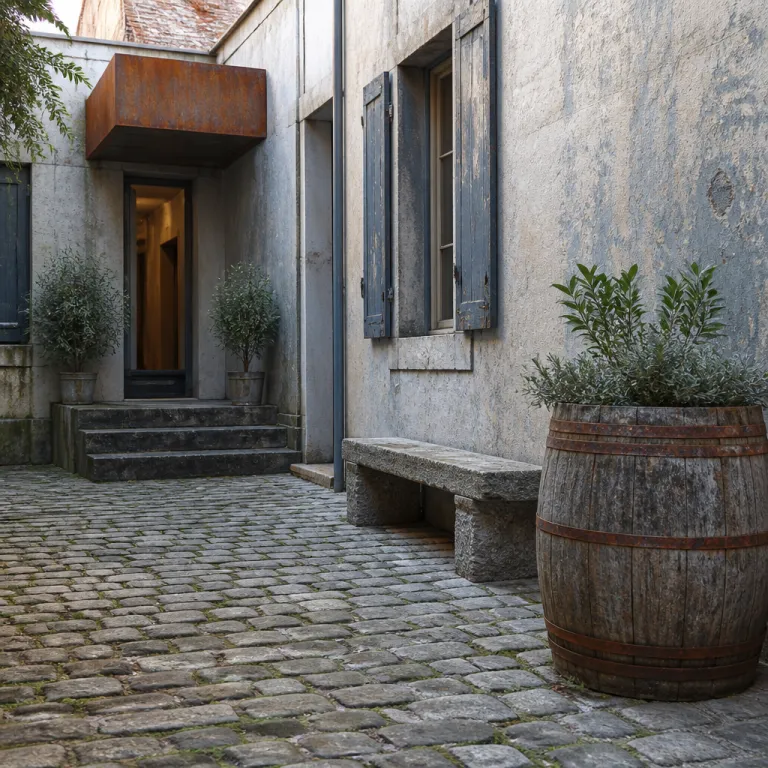
Aligning “where to stay in Bordeaux” with destination strategy
For tourism offices and regional agencies, the question of where to stay in Bordeaux is no longer a simple accommodation query. It has become a strategic lever to shape visitor flows, support local tourism businesses, and protect the fragile balance between residents and travelers in this historic city. When travelers ask where to stay in Bordeaux, they are in fact asking tourism institutions to curate a stay that connects hotels, food experiences, wine culture, and mobility in a coherent way.
Public stakeholders in Bordeaux and the wider metropolitan area must therefore treat each hotel, guesthouse, and hôtel particulier as an entry point into the wider urban ecosystem. The choice of area, from the historic city center to the creative Chartrons district or the more residential zones near Jardin Public, influences which local shops, wine bars, and cultural venues will benefit from each stay. A clear positioning on the best areas to stay in Bordeaux also helps structure communication with travel guides, booking platforms, and travel agencies, ensuring that the city’s standout experiences are not concentrated only in a few streets around the river.
Data from the Bordeaux Tourism Office show an average hotel price per night around 120 EUR and roughly 200 hotels in the city, which gives public authorities a solid base to segment offers by budget and profile.1 Internal monitoring by the metropolitan tourism observatory indicates that annual hotel occupancy has hovered between 68% and 74% over the past five years, with higher peaks during major wine events and summer weekends.2 Offices de tourisme can use this information to guide travelers who are visiting Bordeaux for wine, food, or business, and to orient them toward hotels and hôtels particuliers that match their expectations and support local priorities. When the Tourism Office, hotel owners, and private actors coordinate messaging about where to stay in Bordeaux, they can steer demand toward underused areas that are still within walking distance of the main attractions and the tram network.
Mapping key areas and mobility: from Saint-Pierre to Saint-Jean
Understanding where to stay in Bordeaux starts with a precise reading of the city’s geography and its transport backbone. The historic Saint-Pierre quarter and the broader city center concentrate many hotels, restaurants, and the things visitors expect from Bordeaux, yet they also face pressure from overtourism and rising rents. Destination managers must therefore balance promotion of the best-located hotel addresses with a deliberate strategy to highlight alternative areas along the tram lines and the river.
The Chartrons district, once a wine merchants’ hub along the Garonne River, now offers a mix of boutique hotels, design apartments, and creative food venues that can absorb part of the demand for a stay in Bordeaux without overloading the medieval streets. Around Gare Saint-Jean, the Bordeaux Saint-Jean area is evolving into a multimodal gateway where hotels, co-working spaces, and cultural venues can serve both day trips and longer stays, especially for visitors arriving by train from elsewhere in France. Clear guidance on where to stay in Bordeaux near tram stops, riverfront promenades, and the wine museum helps travelers book accommodation that reduces car use and supports sustainable mobility.
Tourism offices can integrate these choices into their travel guides and digital tools, presenting the city as a set of connected micro-destinations rather than a single compact center. When they answer questions about the best neighborhoods to stay in Bordeaux, they can highlight that many hotels in Chartrons, Saint-Jean, or near Jardin Public remain within easy walking distance or a short tram ride from the city center. To manage workforce constraints in hospitality, regional agencies can also draw on analyses of tourism workforce shortages and labour gaps, using these insights to support training and staffing in emerging hotel clusters outside the most saturated streets. A recent internal case study, for example, showed that hotels around Saint-Jean increased year-round occupancy by 6 percentage points after coordinated promotion of rail-accessible city breaks, easing pressure on the historic core.3
Local tourism businesses and the accommodation value chain
Every decision about where to stay in Bordeaux has a direct impact on local tourism businesses, from independent restaurants to small museums and river cruise operators. When visitors choose a hotel address in a compact area, their spending on food, wine, and culture tends to concentrate within a few blocks, leaving other neighborhoods underexposed. Offices de tourisme and collectivités can counter this by promoting a more diversified map of accommodation in Bordeaux that links hotels and guesthouses with nearby artisans, markets, and cultural venues.
For example, a stay in Chartrons can be framed around the wine museum, design boutiques, and riverfront walks, while a night near Marché des Capucins can anchor a narrative around food markets, multicultural eateries, and creative workshops. Highlighting hotels and hôtels particuliers close to Jardin Public or the quieter streets beyond the city center can encourage longer day trips and evening strolls that spread spending more evenly. Strategic communication about where to stay in Bordeaux should therefore always reference concrete local partners, from wine bars to small Musée des Arts spaces, rather than only listing generic hotels.
To keep revenue circulating locally, regional agencies can support community tourism cooperatives that bring together hotel owners, guides, and small businesses around shared packages. Case studies on community tourism cooperatives that outlast the grant cycle show how ownership structures can keep value in the territory for decades, which is directly relevant when designing neighborhood-based offers in and around Bordeaux.4 In one pilot initiative in the wider metropolitan area, a cooperative linking three family-run hotels, two river cruise operators, and a network of independent wine bars reported that 72% of package revenue remained with local businesses after two years, illustrating how governance choices shape the long-term resilience of the tourism ecosystem. When visitors are guided on where to stay in Bordeaux through such cooperative frameworks, each stay becomes a catalyst for local employment, cultural vitality, and shared prosperity.
Curating thematic stays: wine, food, and culture as structuring pillars
For many travelers, the question of where to stay in Bordeaux is inseparable from their interest in wine, food, and culture. Tourism offices can use this to design thematic itineraries that link specific areas, hotels, and experiences, turning a simple stay into a curated journey through the city. When visiting Bordeaux for wine, for instance, guests may prefer to stay on the Chartrons side near the wine museum and the river, while food-focused visitors might choose accommodation close to Marché des Capucins.
Wine-themed stays can combine a hôtel particulier in the historic center with guided tastings, a visit to the wine museum, and day trips to Saint-Émilion, all coordinated through local guides and travel agencies. Food-oriented packages might highlight hotels within walking distance of Marché des Capucins, cooking classes, and bistros that showcase the best regional products of France, with clear information on tram connections and riverfront walks. Cultural stays can focus on the city center and its Musée des Beaux-Arts, contemporary galleries, and venues like Mama Shelter, which blends hotel, rooftop bar, and creative programming in a single address.
By structuring communication around these themes, offices de tourisme can answer where to stay in Bordeaux with tailored recommendations that respect both visitor expectations and local capacity. Travel guides and booking platforms can be encouraged to tag hotels and hôtels particuliers according to these thematic clusters, making it easier for travelers to book the right area for their interests. This approach also supports smaller actors, since a carefully designed wine or food stay will naturally integrate independent cellars, markets, and restaurants rather than relying only on large chains. Over time, monitoring booking data by theme and neighborhood can help refine these curated stays and adjust messaging when certain areas approach saturation.
Managing flows between city and vineyards: Saint-Émilion and beyond
The dialogue between Bordeaux city and its surrounding vineyards is central to any strategy about where to stay in Bordeaux. Many visitors plan day trips to Saint-Émilion or other appellations, yet still prefer to sleep in the city center for access to restaurants, nightlife, and transport. Tourism offices must therefore coordinate with wine routes and rural tourism actors to ensure that the choice of places to stay in Bordeaux supports both urban and rural economies.
One effective approach is to promote two-center stays, combining a few nights in Bordeaux with one or two nights in a village near Saint-Émilion, linked by rail from Gare Saint-Jean or by organized shuttles. Clear messaging about where to stay in Bordeaux before or after these excursions helps travelers book hotels near the tram and river, while also highlighting guesthouses in the vineyards that offer authentic food and wine experiences. Travel agencies and online booking partners can be encouraged to package these options, using tourism office resources and virtual tours to reassure visitors about quality and accessibility.
Such coordination requires precise information flows between the Tourism Office, hotel owners, and rural hosts, especially during peak day-trip seasons. When answering questions about visiting Bordeaux and its vineyards, staff should be able to explain which hotels are best placed for early departures from Saint-Jean, which areas offer quiet evenings after a full day among the vines, and how to reach the wine museum or Musée des Beaux-Arts on return. This integrated perspective on where to stay in Bordeaux strengthens the entire regional value chain, rather than isolating the city from its hinterland. Internal seasonal data show that average occupancy in central Bordeaux can exceed 80% on harvest weekends, while vineyard guesthouses still have spare capacity, underlining the importance of coordinated promotion across the territory.5
Digital guidance, data, and international positioning
Digital tools now shape how travelers decide where to stay in Bordeaux, from initial inspiration to final booking. Offices de tourisme and regional agencies must therefore ensure that their own platforms, and those of partners, present a coherent narrative of the city areas, hotels, and experiences that align with public policy goals. When visitors consult travel guides, forums, or booking websites, they should encounter consistent messages about the best neighborhoods, average prices, and proximity to tram lines and the river.
The dataset from the Bordeaux Tourism Office, which indicates an average hotel price of around 120 EUR and roughly 200 hotels in the city, can feed dashboards that monitor how demand shifts between the city center, Chartrons, Saint-Jean, and other areas.1 These data help answer where to stay in Bordeaux in a way that reflects real-time capacity, seasonal peaks, and the rise of short-term rentals or eco-friendly hotels. According to local monitoring by the metropolitan authority, demand for boutique hotels and furnished tourist rentals has risen steadily over the past decade, prompting new regulations and targeted promotion of certified sustainable properties.2
To position Bordeaux among international destinations, regional actors can benchmark their strategies against other European cities that manage complex tourism ecosystems with strong wine and cultural brands. When they respond to questions about where to stay in Bordeaux, they should integrate not only hotel lists but also guidance on sustainable travel, local food networks, and cultural diversity. As one of the official responses from the Bordeaux Tourism Office states, “Saint-Pierre, Chartrons, and the Golden Triangle are popular neighborhoods,” and this type of clear, factual statement remains essential for building trust with both visitors and local stakeholders.1
Key figures on accommodation and local tourism businesses in Bordeaux
- The average hotel price per night in Bordeaux is around 120 EUR, according to the Bordeaux Tourism Office, which positions the city in a mid-range bracket compared with other major destinations in France.1
- There are approximately 200 hotels in Bordeaux, based on data from the Bordeaux Tourism Office, giving tourism managers a substantial but finite inventory to manage across the city center and surrounding districts.1
- Visitor demand for boutique hotels has increased significantly in recent years, reflecting a broader shift toward more personalized stays that often favor smaller properties in areas like Chartrons or near Jardin Public, as noted in internal surveys by the metropolitan tourism observatory.2
- Short-term rentals have grown rapidly in Bordeaux, which requires close coordination between municipal authorities, tourism offices, and local residents to maintain housing affordability and neighborhood cohesion, and has led to new registration and zoning rules.2
- Eco-friendly accommodations are gaining ground in the city, aligning with regional sustainability strategies and offering new opportunities for hotels and guesthouses to differentiate their stay-in-Bordeaux offers.2
FAQ about where to stay in Bordeaux for destination managers
What are the best areas to recommend for a first stay in Bordeaux ?
For a first visit, the historic city center around Saint-Pierre, the Golden Triangle, and the Chartrons district usually offer the best balance between heritage, food, and access to the river and tram. These areas place visitors within walking distance of major museums, the wine museum, and key shopping streets, which simplifies orientation. Tourism offices can still encourage some guests to stay near Jardin Public or Saint-Jean to reduce pressure on the most central streets while keeping excellent connectivity.
How can tourism offices guide visitors on budget when choosing where to stay in Bordeaux ?
With an average hotel price of about 120 EUR per night, Bordeaux offers a wide spectrum from budget hotels near Saint-Jean to higher-end hôtels particuliers in the city center. Offices de tourisme can provide clear price ranges by area and season, helping visitors align expectations before they book. They can also highlight value options slightly outside the core, where tram access keeps travel times short while nightly rates remain lower.
How far in advance should visitors be encouraged to book accommodation in Bordeaux ?
During peak periods and major events, it is advisable to book at least one month in advance, as confirmed by guidance from the Bordeaux Tourism Office.1 Tourism offices can integrate this message into their websites, newsletters, and travel guides, especially for guests planning wine-focused day trips or stays that include Saint-Émilion. Early booking also gives more flexibility to choose sustainable options and areas that match local capacity objectives.
How can regional actors connect city stays with vineyard experiences around Saint-Émilion ?
Destination managers can promote combined itineraries that start with a stay in Bordeaux city, followed by one or two nights in the vineyards near Saint-Émilion. Clear information on rail links from Gare Saint-Jean, shuttle services, and partner wineries helps visitors plan seamless day trips or short breaks. By coordinating messaging across tourism offices, hotel owners, and rural hosts, the region can ensure that both urban and rural businesses benefit from each stay.
What tools can tourism offices use to improve guidance on where to stay in Bordeaux ?
Tourism offices can rely on booking websites, travel forums, and their own digital platforms, enriched with virtual tours and up-to-date data on prices and availability. They can also collaborate with travel agencies and local guides to refine neighborhood descriptions and thematic stays around wine, food, or culture. Regular monitoring of visitor feedback and reviews helps adjust recommendations and maintain trust with both travelers and local stakeholders.
Notes and sources: 1. Bordeaux Tourism Office, accommodation statistics and visitor guidance (internal dashboards and public factsheets). 2. Bordeaux Métropole tourism observatory, annual reports on hotel performance, short-term rentals, and sustainable tourism indicators. 3. Internal evaluation of the “City Break Gare Saint-Jean” promotion, Bordeaux Métropole, summary shared with local partners. 4. Regional case studies on community tourism cooperatives compiled by Nouvelle-Aquitaine tourism networks. 5. Seasonal occupancy analyses for Bordeaux city and surrounding vineyards, compiled by the metropolitan tourism observatory.