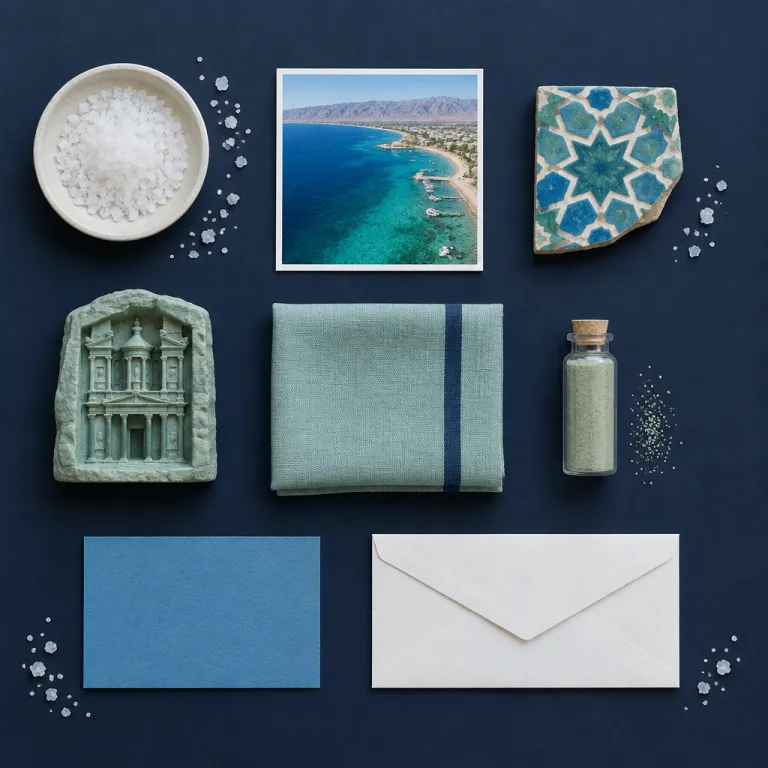
Positioning things to do in Jordan as a coherent territorial product
For destination managers, the list of things to do in Jordan is not just a brochure section, it is a strategic portfolio that must be curated and staged. When a traveller plans a trip to Jordan, they compare the capital Amman, Petra, the Dead Sea and Wadi Rum with other top places in the Middle East, so national tourism boards and regional destination management organisations need a clear narrative that connects these assets into one seamless experience. This means treating every city, nature reserve and desert valley as a complementary product line rather than isolated attractions.
The capital Amman can anchor this portfolio as an urban gateway where visitors first experience Jordanian culture, food and contemporary life before they visit Petra or the Roman ruins of Jerash. From Amman, tourism authorities can structure themed itineraries that link northern Jordan highlights such as Ajloun, Umm Qais and the green hills around the Jordan Trail with the southern desert castles, Wadi Rum and the Red Sea coast, creating a logical flow of top things to do in Jordan for different segments. This territorial approach helps clarify the best time and the right time to visit each area, balancing seasonality and dispersing flows away from a few over visited sites.
For public authorities and private partners, the challenge is to transform generic lists of things Jordan offers into investable products with clear positioning, pricing and carrying capacity. A curated “bucket list” of top things to do in Jordan can be broken down into themed product families such as desert experiences, sea based wellness, Roman heritage and nature reserve immersion, each with its own KPIs and governance model. When every place, from Umm Qais to Wadi Mujib, is framed as part of a coherent product architecture, tourism boards can negotiate better with tour operators and digital platforms while protecting fragile sites.
Designing flagship heritage experiences around Amman, Petra and Jerash
Heritage remains the primary driver behind most international visits, so the way destinations design things to do in Jordan around Amman, Petra and Jerash will shape overall value creation. In the capital Amman, tourism boards can move beyond a simple city tour and build layered products that combine Roman ruins at the Citadel, contemporary galleries, food markets and neighbourhood walks into half day and full day experiences. Such products should be bookable online, co created with local guides and clearly positioned as the best urban introduction before travellers visit Jordan’s more remote regions.
Petra is already on every global bucket list, yet the experience can still be refined to support both visitor satisfaction and heritage protection. Tourism authorities can work with the Petra Development and Tourism Region Authority to stagger entries by time visit, promote alternative trails and integrate nearby villages into the value chain, so that the best time to visit Petra is not always sunrise at the Treasury. Around Jerash, the Roman city and its ruins offer a different rhythm, where curated evening events, sound and light shows and small scale festivals can extend stays and create new reasons to visit northern Jordan outside peak months, much like high value vineyard events extend seasons in destinations such as the scenic wine tourism products described in this analysis of Napa vineyard experiences.
For regional agencies, the objective is to transform these flagship sites into gateways for wider itineraries that include lesser known places. A visit to Jerash can be bundled with Ajloun forest walks and a stop in Umm Qais, while Petra can be linked with Wadi Rum, desert castles and the Red Sea coast to create multi day circuits. By designing such circuits as modular products, tourism boards can present clear top things to do in Jordan for families, cultural travellers or soft adventurers, each with calibrated price points and capacity limits. For example, a three night heritage module might include one night in Amman and two nights near Petra, with average daily spend benchmarks that help planners model revenue and staffing needs.
Integrating nature reserves, Wadi Mujib and Wadi Rum into sustainable product lines
Nature based tourism is now central to many trips to Jordan, and tourism boards must treat each nature reserve as a strategic asset rather than a simple outdoor option. Wadi Mujib, the Dead Sea canyons and the Ajloun Forest Reserve offer contrasting experiences that can be packaged as soft adventure, educational eco stays or corporate retreats, depending on the level of infrastructure and guiding available. When these reserves are integrated into the official portfolio of things to do in Jordan, they help diversify demand away from a few iconic sites and extend the average trip Jordan length.
Wadi Rum, with its desert landscapes and star filled skies, is already a symbol of the Middle East, yet its long term value depends on careful product development. Regional agencies can work with Bedouin operators to standardise safety, improve waste management and differentiate between basic camps and high end lodges, so that visitors understand the range of experiences and the best time to stay overnight in the desert. Linking Wadi Rum with the Jordan Trail, Wadi Mujib and other nature reserve networks can create multi day trekking products that rival classic Alpine routes, while still respecting local communities and fragile ecosystems, as shown by the way wine regions leverage terroir in territorial strategies such as those analysed for Sancerre in this case study on wine driven tourism strategies.
For elected officials and private investors, the key is to ensure that every nature based product has clear carrying capacity, pricing and benefit sharing mechanisms. Packages that combine the Dead Sea, Wadi Mujib canyoning and an overnight in Wadi Rum can be marketed as top things to do in Jordan for active travellers, but they must also include contributions to conservation funds and local employment targets. When tourism boards frame these offers as premium, limited capacity experiences, they can position Jordan as a leader in responsible desert and canyon tourism across the Middle East. A concrete benchmark could be a four day soft adventure itinerary with capped group sizes and transparent per person conservation fees built into the price.
Rebalancing flows with northern Jordan, Umm Qais and hidden gems
Visitor flows in Jordan remain heavily concentrated between Amman, Petra, the Dead Sea and Wadi Rum, which creates pressure on infrastructure and leaves other regions under leveraged. Northern Jordan, with its cooler climate, green hills and layered history, offers a powerful tool to rebalance these flows and enrich the national portfolio of things to do in Jordan. Tourism boards can position Ajloun, Umm Qais and the surrounding villages as top places for slow travel, agritourism and cross border cultural circuits.
Umm Qais, overlooking the Jordan Valley and the Sea of Galilee, combines Roman ruins, Ottoman houses and contemporary art initiatives, making it ideal for curated cultural weekends. Regional agencies can work with local entrepreneurs to develop guesthouses, farm to table restaurants and guided walks that highlight both the archaeological site and the surrounding landscapes, turning Umm Qais from a short stop into a key place in any trip to Jordan. By promoting these hidden gems alongside better known attractions, tourism boards can offer visitors a richer understanding of things Jordan offers beyond the classic bucket list.
For local authorities, this rebalancing strategy requires targeted investment in signage, small scale infrastructure and digital visibility. Clear storytelling around northern Jordan, including Ajloun’s forests, village cooperatives and segments of the Jordan Trail, can encourage visitors to extend their time visit in the region by one or two nights. When these products are presented as some of the top things to do in Jordan for culture lovers and hikers, they also create new opportunities for private actors to invest in accommodation, guiding and creative industries. A simple micro itinerary could be a two night loop from Amman to Jerash, Ajloun and Umm Qais, with average driving times and suggested stop durations clearly communicated to planners.
Structuring sea and wellness products around the Dead Sea and Red Sea
Sea and wellness experiences are often under exploited in national narratives about things to do in Jordan, yet they offer strong potential for tourism boards seeking higher value segments. The Dead Sea, with its mineral rich waters and therapeutic mud, can anchor premium wellness retreats, medical tourism packages and short breaks from the capital Amman, especially when combined with nearby cultural visits. At the same time, the Red Sea resort city of Aqaba can host diving, sailing and family beach holidays that complement inland desert and heritage circuits.
For destination managers, the challenge is to articulate these sea based products with the rest of the national offer in a way that feels coherent to visitors planning a trip to Jordan. A typical itinerary might start with two nights in the city of Amman, continue with Petra and Wadi Rum, then end with a restorative stay at the Dead Sea or the Red Sea, giving travellers a clear sense of the best time to relax after more intense sightseeing. By presenting these combinations as top things to do in Jordan for wellness seekers and multi generational families, tourism boards can lengthen stays and increase average spend, much like coastal real estate strategies support long term tourism growth in regions analysed in this study on real estate investment and tourism.
Public and private stakeholders should also coordinate to ensure that sea and wellness products respect environmental constraints and local communities. At the Dead Sea, water level decline and shoreline instability require careful planning of new resorts, public beaches and access roads, while in Aqaba, coral reef protection must guide diving and boating capacity. When tourism boards frame the Dead Sea and Red Sea as fragile yet essential components of the national portfolio of things to do in Jordan, they reinforce Jordan’s positioning as a responsible Middle East destination.
Governance, data and partnerships for high value tourism product development
Transforming the many things to do in Jordan into a coherent, resilient tourism product requires robust governance and shared data between tourism boards, regional agencies and private actors. Destination managers need reliable information on visitor flows to Amman, Petra, Jerash, the Dead Sea, Wadi Rum and northern Jordan in order to adjust marketing, pricing and infrastructure investment. This means building interoperable data systems, harmonised visitor surveys and regular coordination platforms that include elected officials, local communities and tourism businesses.
For product development, partnerships are essential to align expectations and share risks. Public authorities can provide basic infrastructure, signage and conservation measures around key places such as Umm Qais, Wadi Mujib and desert castles, while private operators design and market specific experiences that respond to demand for top things to do in Jordan. Joint training programmes for guides, accommodation providers and activity operators can ensure that every visit Jordan experience, from a city tour in Amman to a trek on the Jordan Trail, meets consistent quality standards and safety protocols.
Strategic communication should then present Jordan as a destination where heritage, desert, sea and nature reserves form a balanced portfolio of experiences. By highlighting both iconic sites and hidden gems, and by clearly explaining the best time to visit each region, tourism boards can help travellers build realistic itineraries that respect local rhythms and environmental limits. Over time, this integrated approach to tourism product development will support higher value trips to Jordan, stronger local economies and a more resilient position for the country within the competitive Middle East tourism landscape.
Key statistics for tourism product development in Jordan
- According to the Jordan Tourism Board, tourism contributed around 13 % of Jordan’s GDP before the global health crisis, illustrating how strategic management of things to do in Jordan directly impacts national economic resilience. In its 2019 annual report, the Board highlighted tourism receipts of more than 5 billion US dollars, confirming the sector’s macroeconomic weight.
- Official figures from the Ministry of Tourism and Antiquities indicate that Petra alone has received more than one million visitors in peak years, which underlines the need to diversify flows towards northern Jordan, Wadi Rum and other nature reserves. Ministry statistics for 2019 show Petra surpassing 1.1 million entries, a historic record that raised concerns about congestion and site preservation.
- Data from the Royal Society for the Conservation of Nature show that protected areas such as Ajloun Forest Reserve and Wadi Mujib collectively host hundreds of thousands of visitors annually, demonstrating the growing importance of nature based products in any trip to Jordan. RSCN monitoring reports from the late 2010s point to steady year on year growth in domestic and international eco tourism.
- Studies on the Jordan Trail Association’s impact suggest that long distance hikers spend significantly more per day in rural communities than average package tourists, confirming the value of trail based products for local development. Pilot surveys conducted around 2018–2019 indicated that thru hikers often stay in homestays, purchase local food and hire guides, spreading benefits along the route.
- Surveys by the Jordan Tourism Board highlight that the Dead Sea and Red Sea rank among the top things to do in Jordan for wellness and diving segments, supporting investment in sustainable sea and wellness infrastructure. Pre pandemic market research consistently placed these coastal areas among the most desired add ons to classic Petra and Wadi Rum itineraries.
FAQ about tourism product development and things to do in Jordan
How can tourism boards structure itineraries around the main things to do in Jordan ?
A practical approach is to design modular circuits that start in the capital Amman, then link Petra, Wadi Rum and the Dead Sea with optional extensions to Jerash, Ajloun, Umm Qais and Aqaba. Each module should target a specific segment, such as cultural travellers, families or soft adventurers, with clear information on the best time to visit each region. This structure helps visitors understand how many days they need and encourages longer, better distributed trips to Jordan.
What role should nature reserves play in Jordan’s tourism strategy ?
Nature reserves such as Ajloun Forest Reserve and Wadi Mujib should be treated as core products, not secondary options, within the national portfolio of things to do in Jordan. They can host guided hikes, educational programmes and community based stays that diversify revenue and reduce pressure on Petra and Wadi Rum. Clear capacity limits, conservation funding and local benefit sharing mechanisms are essential to keep these experiences sustainable.
How can northern Jordan and Umm Qais attract more visitors ?
Northern Jordan can gain visibility through targeted storytelling that highlights its cooler climate, green landscapes and layered history, especially around Ajloun and Umm Qais. Tourism boards should promote themed weekends, agritourism stays and cultural events that position the region as one of the top places for slow travel in Jordan. Improved signage, digital booking options and partnerships with tour operators will then convert interest into actual visits.
What is the best way to integrate sea and desert experiences in one trip to Jordan ?
A balanced itinerary usually combines two or three nights in Amman, one or two nights near Petra, one night in Wadi Rum and two or three nights at the Dead Sea or Red Sea. This sequence allows visitors to experience heritage, desert and sea without excessive travel time, while also respecting the best time to enjoy each environment. Tourism boards can package these elements as top things to do in Jordan for first time visitors and repeat guests alike.
How can private actors contribute to higher value tourism products in Jordan ?
Private actors can invest in quality accommodation, guiding services and thematic activities that enhance existing things to do in Jordan, from city tours in Amman to eco lodges near nature reserves. By collaborating with public authorities on standards, training and conservation, they help ensure that each visit Jordan experience meets international expectations. This partnership model supports higher spending, longer stays and stronger local economies across the country.