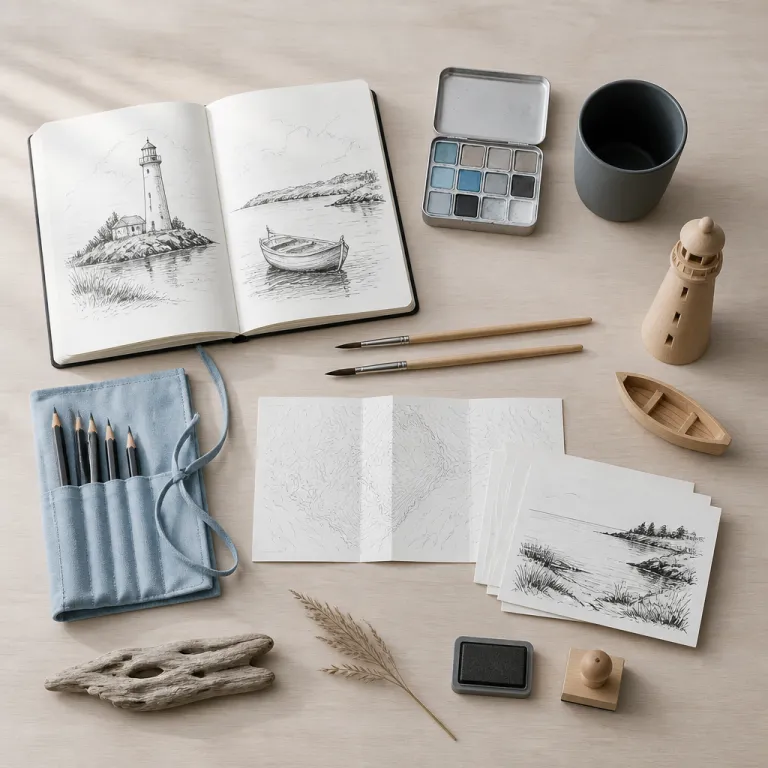
Positioning sketching holidays as a high value tourism product
For a destination management organisation, sketching holidays can become a clearly defined tourism product rather than a vague creative trend. When a trip is structured around sketching, watercolour and travel journaling, it attracts visitors who stay longer, spend more on culture and return for new sketchbook journeys. A carefully designed sketching holiday also strengthens the link between local art communities and regional tourism strategies.
These creative journeys rely on a simple promise: every day of the stay will generate a new page in a sketchbook and a richer travel journal. Visitors move slowly through the territory, alternating a short morning sketch with afternoon plein air sessions, which spreads flows beyond the usual hotspots. For offices de tourisme, this slow travel rhythm allows better management of peak days in July and August while extending demand into March, April, June and October.
Urban sketching and plein air travel products work particularly well in compact historic centres, riverfronts or vineyard landscapes. A sketching vacation can be framed as a week-long, day-by-day itinerary, where each daily route links a viewpoint, a local guide and a small business partner. This type of holiday product also generates strong digital visibility, because every Instagram post of a sketch, a watercolour or a painting becomes organic promotion for the destination.
Designing territorial itineraries for sketchbook journeys
Building a coherent network of sketchbook journeys requires precise cartography and on-site testing. Offices de tourisme and regional agencies can start with one flagship sketching corridor, then extend it into several themed journeys over the following seasons. Each itinerary should combine urban sketching spots, rural plein air locations and indoor art spaces to ensure resilience in bad weather.
For example, a river city can propose a three-day sketching holiday that starts with a day of drawing along the historic quays, continues with travel sketching in local markets and ends with outdoor painting sessions in nearby vineyards. A coastal territory might instead focus on a week of sketching travel, alternating harbour scenes, cliff viewpoints and village squares, with each trip segment accessible by public transport. This approach mirrors how Bordeaux’s left bank and right bank have been positioned as complementary tourism products, where each bank offers distinct experiences within a single strategic narrative of territorial product development.
Seasonality must be integrated from the start, because sketching holidays behave differently in March or April than in July or August. In cooler months, shorter days favour compact urban sketching circuits and indoor workshop formats, while long summer days allow extended plein air journeys and late evening drawing sessions. Offices de tourisme can also programme special October sketching weekends to capture shoulder season demand, using a mix of guided excursions, self-guided sketchbook journeys and hybrid art and gastronomy events.
Curating workshops, mentors and local art ecosystems
No sketching holiday can succeed without credible artistic leadership and a strong local art ecosystem. Destinations need to work with recognised travel sketching tutors, urban sketching collectives and plein air painting associations to design each workshop and multi-day vacation. This collaboration ensures that every sketch, every watercolour and every group session respects both artistic standards and local heritage sensitivities.
Some territories already leverage wine, gastronomy or wellness as anchors; sketching holidays can be layered on top of these existing strengths. Around Lake Garda, for instance, Lugana white wine has been used as a core element of high value tourism product development, showing how a specific terroir can structure premium experiences and destination storytelling. In a similar way, a region in Italy or in Sri Lanka can invite artists to lead workshop travel programmes that connect vineyards, tea plantations or fishing harbours with sketchbook journeys and travel journal sessions.
International mentors such as urban sketcher Ian Fennelly illustrate how a single name can attract global audiences for sketching holidays and creative travel. When a destination hosts an Ian Fennelly workshop, the programme can be extended into several days of holiday sketching, with optional trips to nearby villages and landscapes. Offices de tourisme should also nurture local talent, encouraging resident artists to propose their own drawing workshops, week-long masterclasses and Instagram-friendly events that keep creative visitors returning year after year.
Infrastructure, logistics and visitor flow management for sketching travel
Transforming sketching holidays into a structured tourism product requires specific infrastructure and careful logistics. Simple elements such as shaded benches, quiet viewpoints, water fountains and accessible toilets can determine whether a day sketching route feels comfortable or frustrating. Clear signage that indicates recommended sketching spots, suggested viewpoints and walking times helps visitors manage their days and reduces pressure on fragile sites.
Transport planning is equally strategic, because sketching travel often relies on short hops between locations rather than long transfers. Offices de tourisme can work with public transport authorities to align bus or train timetables with workshop schedules, ensuring that participants can reach a plein air site in the morning and return after an afternoon session. In rural areas, small shuttle services or shared taxis can connect villages, vineyards and coastal paths, turning what would be isolated viewpoints into a coherent network of sketching vacation experiences. A typical shuttle might run every 60 minutes between 9:00 and 18:00, with pre-booked seats for groups of 8–12 sketchers.
Digital tools support both logistics and marketing, especially when every sketchbook, travel journal and Instagram post becomes part of the destination’s narrative. A simple mobile map can show suggested sketchbook journeys, highlight urban sketching circuits and indicate where visitors are encouraged to share a sketch or watercolour. Regional planners should also integrate sketching holidays into broader investment discussions about tourism infrastructure, aligning them with hospitality investment signals and destination strategies outlined in analyses of cross DMO strategy.
Seasonality, programming and calendar engineering for sketching holidays
Sketching holidays offer a rare opportunity to rebalance tourism calendars beyond the classic summer peak. Because sketching, painting and travel journaling are not weather dependent in the same way as beach tourism, they can be programmed across March, April, June, October and even mild winter days. Offices de tourisme can therefore design a year-round matrix of sketching travel products that stabilises local businesses and employment.
A practical approach is to structure the calendar around thematic sketching journeys that repeat each year with minor variations. For example, a region in Italy might host a spring urban sketching festival in April, a coastal plein air week in June and a vineyard sketching vacation in October, each combining workshops, guided trips and self-guided sketchbook journeys. In Sri Lanka, monsoon patterns will shape the timing of sketching holidays, encouraging more indoor workshop formats in wet months and extended day sketching itineraries in drier periods.
Shorter formats such as a single sketching holiday weekend or a three-day creative escape can be targeted at domestic markets and nearby regions. Longer journeys of seven to ten days will appeal to international visitors who plan a major trip around art, sketching and painting experiences. Throughout the year, destinations should encourage participants to maintain a travel journal and share at least one Instagram post per day, turning each daily sketch into a micro story that extends the life of the holiday product far beyond the actual days spent on site.
Governance, partnerships and measurement for creative tourism products
For sketching holidays to move from niche experiment to strategic pillar, governance and measurement must be taken seriously. Offices de tourisme, regional agencies, collectivités and private actors need a shared roadmap that clarifies who will design itineraries, who will host workshops and who will manage marketing for sketching travel. This roadmap should integrate sketching holidays into broader tourism product development, rather than treating them as isolated art events.
Partnerships with accommodation providers, transport operators and cultural institutions are essential, because each sketching vacation involves multiple touchpoints across several days. Hotels can offer early breakfast for plein air painters, museums can host indoor drawing sessions and cafés can provide reserved tables for small sketching groups during off-peak hours. Data collection must go beyond simple visitor counts, tracking length of stay, average spend, repeat trip intentions and the volume of Instagram content generated by sketchbook journeys and travel journal sharing.
Over time, destinations can compare the performance of different sketching holiday formats, such as urban sketching weekends, rural plein air weeks or mixed workshop travel programmes that combine Italy and Sri Lanka in a single long-haul journey. Clear KPIs will show which October sketching events extend the season most effectively, which March or April products attract new markets and which July or August offers help to spread visitors across the territory. With this evidence, regional leaders can confidently invest in infrastructure, training and promotion that position sketching holidays as a durable, high value component of their tourism portfolio.
Key figures for sketching holidays and creative tourism
- According to the UNWTO report “Tourism and Culture Synergies” (2018, pp. 14–16), cultural and creative tourism represents an estimated 39–40% of global tourism arrivals, and sketching holidays sit within this high value segment that typically shows above average daily spend.
- Data from the European Travel Commission’s “European Tourism: Trends & Prospects” Q4/2022 report (pp. 6–9) indicate that around one third of European travellers choose destinations partly for cultural or artistic reasons, suggesting strong potential demand for sketching travel and urban sketching products in cities and regions.
- Studies on slow travel in Italy and other Mediterranean countries, such as the UNWTO “Tourism in the Mediterranean” analysis (2019, pp. 32–35), show that visitors who engage in activities such as painting, sketching and gastronomy stay on average two to three days longer than beach-only tourists, which directly increases local revenue.
- Research on user-generated content in tourism marketing, including UNWTO’s “Tourism and Social Media” briefing (2020, pp. 10–13), has found that trips which generate frequent Instagram posts and other social media content can reduce acquisition costs for destinations, because each shared sketch or watercolour functions as unpaid promotion.
- Creative tourism programmes that include workshop travel formats, such as art or cooking classes, often achieve repeat visitation rates above 20%, significantly higher than mass tourism products where a single trip is considered sufficient.
FAQ about sketching holidays as a tourism product
How can a small destination start developing sketching holidays ?
A small destination can begin with one or two pilot sketching travel itineraries that connect its most scenic viewpoints, a few local artists and willing accommodation partners. Start with a weekend urban sketching or plein air workshop for 8–15 participants, test logistics and gather feedback from guests and guides. Use this first experience to refine routes, timing and pricing before scaling to longer sketching vacation products.
What type of visitor is most interested in sketching travel ?
Sketching holidays tend to attract culturally motivated travellers, often aged between 30 and 70, who already practice drawing, painting or photography. Many are repeat visitors who prefer slow journeys, value authenticity and are willing to pay more for small group experiences. This profile aligns well with destinations seeking higher spending guests and reduced pressure on fragile sites.
Do sketching holidays require large investments in infrastructure ?
Most sketching travel products can be launched with modest investments focused on comfort and accessibility rather than major construction. Shaded seating, clear signage, safe walking paths and reliable public transport are usually sufficient to support day sketching and sketchbook journeys. Over time, destinations can add dedicated art spaces, small studios or covered viewpoints as demand grows.
How should offices de tourisme market sketching vacations internationally ?
Marketing should combine targeted communication to art schools, urban sketching communities and creative tour operators with broader storytelling about the destination’s landscapes and culture. High quality images of sketches, watercolours and group sessions, shared through Instagram posts and specialised media, are particularly effective. Collaborations with recognised tutors or artists can provide additional credibility and reach.
How can the impact of sketching holidays be measured ?
Impact measurement should track both quantitative and qualitative indicators, including length of stay, average spend, seasonality shifts and participant satisfaction. Offices de tourisme can also monitor the number of workshops delivered, the volume of user-generated content and the proportion of visitors returning for another sketching holiday. Comparing these metrics with other tourism products helps justify continued investment in creative tourism development.