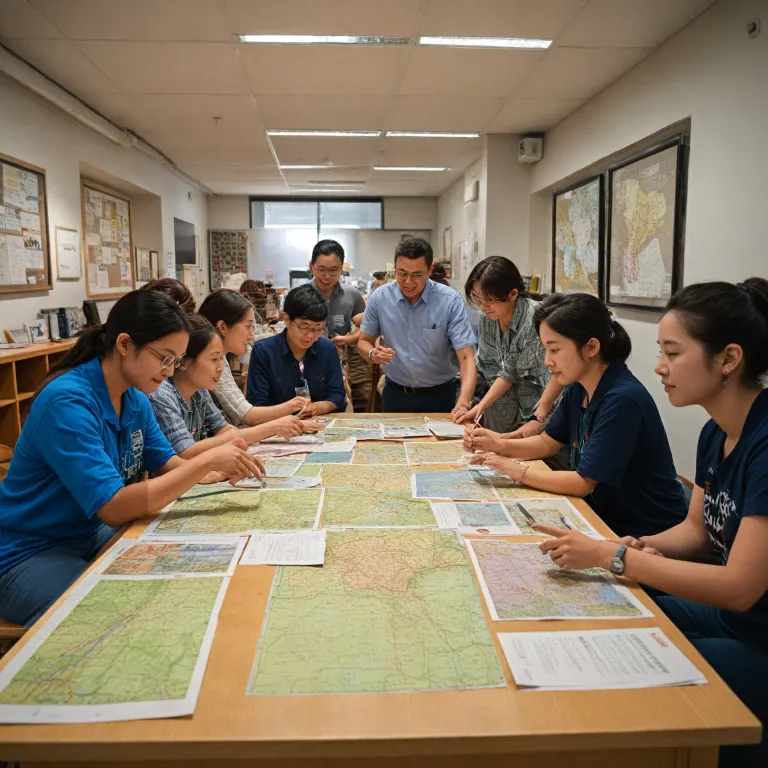
Understanding the role of volunteers in tourism offices and regions
Volunteering at a tourism office offers a unique opportunity to contribute to the development and promotion of local tourism. Volunteers play a vital role in supporting both short term and long term projects that enhance visitor experiences and strengthen community ties. By engaging in volunteer work, individuals help promote sustainable tourism and support the conservation of natural areas, while also gaining personal growth and professional development.
Tourism offices rely on volunteers to assist with a variety of tasks, from providing information to tourists to supporting administrative operations. These volunteer opportunities are designed to be family friendly and accessible to people of different backgrounds. Volunteers will often work alongside local staff, ensuring that the tourism office can offer high quality services to visitors and the local community. The impact volunteers have is significant, as they help protect and restore the environment, promote local culture, and foster social and environmental responsibility.
Community volunteer programs in tourism offices are structured to maximize the benefits for both the volunteers and the host communities. These programs encourage people to volunteer in ways that align with their skills and interests, whether it is supporting conservation efforts, engaging with tourists, or participating in local events. By spending time in these roles, volunteers contribute to the overall success of tourism initiatives and help create a welcoming atmosphere for travelers. The opportunities volunteer programs provide are essential for the ongoing growth and sustainability of the tourism sector.
How to find and join volunteer opportunities at tourism offices
Identifying the right volunteer opportunities at a tourism office requires research and preparation. Start by researching the specific tourism office's volunteer program requirements, as each office may have different expectations regarding skills, availability, and areas of interest. Many tourism offices now offer online application submission, making it easier for potential volunteers to express their interest and begin the process of joining a volunteer program.
Orientation and training sessions are a key part of the onboarding process for new volunteers. These sessions equip volunteers with the knowledge and tools needed to effectively support the tourism office and its projects. Local staff and volunteer coordinators are available to guide new recruits, ensuring that each volunteer understands their role and the impact their work will have on the community and environment. For those interested in remote participation, some tourism offices have introduced virtual volunteering opportunities, allowing individuals to contribute from a distance.
To maximize your chances of being selected, prepare a resume highlighting relevant skills and experiences, and be ready to commit to the required hours and responsibilities. Volunteering professional programs often partner with local businesses, community organizations, and educational institutions to expand the range of available projects. For more details on how to get started, visit our guide to tourism office volunteer programs for step-by-step instructions and tips on making the most of your volunteer experience.
Key benefits and impact of volunteering in tourism offices
Volunteering at a tourism office provides numerous benefits for both the individual and the community. Volunteers will gain valuable experience in customer service, event planning, and project management, all while supporting the growth of sustainable tourism. The work of volunteers helps to protect and restore natural areas, promote local culture, and enhance the overall visitor experience.
Community volunteer programs foster a sense of belonging and pride among participants, as they contribute to the success of local tourism initiatives. The impact volunteer efforts have on the environment and community is significant, as they help to conserve resources, support local businesses, and create a welcoming atmosphere for tourists. By joining volunteer opportunities, individuals can develop new skills, expand their professional network, and experience personal growth.
Many tourism offices recognize the importance of providing family friendly volunteer opportunities, allowing people of all ages to participate and make a difference. Whether you are interested in short term projects or long term commitments, there are a variety of ways to get involved and support your local tourism office. For more information on the benefits of volunteering in tourism, explore our comprehensive resource on community engagement in tourism.
How volunteers support sustainable tourism and conservation efforts
Volunteers play a crucial role in advancing sustainable tourism and conservation within their communities. By participating in volunteer work, individuals help protect and restore natural areas, promote responsible travel practices, and support the preservation of local heritage. These efforts are essential for maintaining the long term viability of tourism destinations and ensuring that future generations can enjoy their unique offerings.
Volunteer programs often focus on projects that address both social and environmental challenges, such as organizing clean-up events, supporting wildlife conservation, and educating tourists about sustainable practices. Volunteers will work closely with local staff and community organizations to implement these initiatives, ensuring that their impact is both meaningful and lasting. The opportunities volunteer programs provide allow participants to make a tangible difference in the environment and the lives of local residents.
By joining volunteer opportunities in tourism offices, individuals can contribute to the development of sustainable tourism models that balance economic growth with environmental stewardship. These programs also offer personal growth opportunities, as volunteers gain new skills, build relationships, and develop a deeper understanding of the challenges facing their communities.
Innovative approaches to volunteer management in tourism offices
Tourism offices are increasingly adopting innovative methods to manage and support their volunteer programs. The use of volunteer management software and communication platforms has streamlined the recruitment, training, and coordination of volunteers, making it easier for people to volunteer and for offices to track their contributions. Enhanced training manuals and orientation sessions ensure that volunteers are well prepared to take on their roles and responsibilities.
One notable innovation is the implementation of virtual volunteering opportunities, which allow individuals to participate in projects remotely. This approach has expanded the reach of volunteer programs, enabling people from different regions to contribute to tourism initiatives without being physically present. Volunteers will benefit from flexible schedules and the ability to support a wider range of projects, from marketing campaigns to online customer service.
Partnerships with local businesses, community organizations, and educational institutions have also enriched the volunteer experience, providing additional resources and support for both volunteers and tourism offices. These collaborations help to create a more inclusive and diverse volunteer community, ensuring that a wide range of perspectives and skills are represented. The impact volunteer management innovations have had on the tourism sector is evident in the increased engagement and satisfaction of both volunteers and host communities.
Personal growth and professional development through volunteering
Engaging in volunteer work at a tourism office offers significant opportunities for personal growth and professional development. Volunteers will develop essential skills such as communication, teamwork, and problem solving, all of which are highly valued in the hospitality and tourism industry. The experience gained through volunteering professional programs can enhance your resume and open doors to new career opportunities.
Volunteering also provides a unique chance to connect with people from diverse backgrounds, fostering cultural exchange and mutual understanding. The social and environmental impact of your work will be felt not only by the local community but also by the tourists you assist and the environment you help protect. As one expert notes, "Qualifications vary by office but often include strong communication skills, knowledge of local attractions, and a friendly demeanor."
Whether you are seeking short term volunteer opportunities or looking to make a long term commitment, the skills and experiences you gain will contribute to your personal and professional growth. Family friendly volunteer programs ensure that everyone, regardless of age or background, can participate and make a positive impact. By joining volunteer opportunities at your local tourism office, you become an integral part of a community dedicated to promoting sustainable tourism and enriching the lives of both residents and visitors.
Key statistics on volunteering in tourism offices
- There are approximately 2,000 tourism offices in the United States.
- 75% of tourism offices utilize volunteers in their operations.
Frequently asked questions about volunteering at tourism offices
What qualifications are needed to volunteer at a tourism office?
Qualifications vary by office but often include strong communication skills, knowledge of local attractions, and a friendly demeanor.
Are there age restrictions for volunteering?
Age requirements differ among tourism offices; some may require volunteers to be at least 18 years old, while others accept younger volunteers with parental consent.
Do volunteers receive any benefits?
Benefits vary but may include free access to local attractions, networking opportunities, and skill development.
Trustworthy sources for further information
- National Travel and Tourism Office
- American Association of Tourism Professionals
- Tourism Office Volunteer Program Portal