Reframing accessibility: from compliance cost to destination value
Tourism boards that treat accessibility as a core mobility strategy consistently attract more diverse visitors and higher-value trips. When Offices de tourisme align infrastructure with the needs of older travellers from India and other long-haul markets, they simultaneously improve wheelchair accessibility and inclusive mobility for local residents. This shift turns the topic of mobility aids for elderly visitors from India and wheelchair accessibility into a lever for destination value, not just a regulatory obligation.
For regional authorities, the first step is to map how mobility, health, and tourism policies intersect across the territory. Such mapping should include where mobility equipment is available for rent, where assistive devices can be repaired, and how medical services connect with hotels and attractions for disabled individuals. When this ecosystem is visible, it becomes easier to design coherent mobility solutions that serve both international visitors and senior citizens living nearby, and to monitor indicators such as the number of accessible routes or certified venues.
Many destinations still focus only on ramps and a generic wheelchair symbol, which is no longer enough. Travellers with disabilities, including people with limited mobility or people with sensory disabilities, now expect integrated services that support independent living throughout the entire travel chain. Offices de tourisme that curate and promote such services position themselves as trusted partners for individuals and families planning complex trips, especially when they can point to concrete examples of accessible itineraries, verified service providers, and measurable service standards.
Designing the full travel chain for elderly visitors from India
When elderly travellers from India plan long-distance travel, they evaluate the entire journey, not just the hotel. They look at air travel conditions, airport assistance, the reliability of mobility aids on airlines, and the availability of wheelchair-accessible transfers on arrival. For Offices de tourisme, understanding this full chain is essential to make the destination genuinely attractive for people with mobility challenges and to reduce the risk of service gaps between transport, accommodation, and medical support.
Start by working with local airports and airlines to document every assistance service available for disabled individuals. This includes pre-booking wheelchair assistance, electric cart transfers in large terminals, and the handling of battery-powered mobility devices such as electric wheelchairs or mobility scooters. Your tourist office website should then translate this information into clear visitor-facing guidance, linking to airport customer service contacts and explaining how mobility equipment is handled under international air transport rules, including the IATA Dangerous Goods Regulations for lithium batteries and airline-specific policies on checked mobility devices.
Next, collaborate with inbound agencies that specialise in people with disabilities from India and from the United States. These partners understand how India-based travellers typically provide medical documentation, travel insurance requirements, and cultural expectations when elderly parents travel with extended families. A dedicated accessibility section on your site can highlight these tailored mobility solutions and link to resources on comprehensive tourist office accessibility services that help individuals coordinate assistance before departure, including sample email templates for requesting support from airlines, hotels, and local transport providers.
Tourist offices as coordinators of mobility aids and assistive technologies
Local tourist offices are uniquely placed to coordinate mobility aids, assistive devices, and support services across a destination. Rather than simply listing wheelchair-accessible hotels, they can curate a network of suppliers that rent mobility devices, provide medical equipment, and offer on-site assistance for people with disabilities. This role transforms the office from an information desk into a strategic hub for inclusive travel, with clear responsibilities, service-level targets, and feedback channels.
Begin by identifying all providers of mobility equipment and assistive technologies within a radius of 30 to 50 km. Include pharmacies that rent manual and electric wheelchairs, companies that deliver battery-powered scooters, and medical service providers that can install temporary ramps or grab bars in holiday rentals. Map these services on accessible digital maps and ensure visitors can easily obtain them through clear guidance on how to get maps at the tourist office for seamless travel planning, ideally referencing resources such as this detailed guide to tourist office maps and indicating opening hours, booking procedures, and emergency contacts.
Tourist offices should also maintain a list of trained guides and drivers experienced with people with disabilities and people with long-term mobility challenges. These professionals can assist elderly individuals from India, senior citizens from the United States, or local residents who rely on a mobility aid for independent living. When customer service teams at the office can confidently explain how to combine transport, accommodation, and mobility aids, they significantly reduce anxiety for families travelling with elderly parents and can track outcomes through indicators such as the number of assisted trips or user satisfaction scores.
Infrastructure standards for wheelchair accessibility in public spaces
Physical infrastructure remains the backbone of any strategy focused on mobility aids for elderly visitors from India and wheelchair accessibility. Streets, promenades, heritage sites, and public transport must be designed so that individuals using wheelchairs or other mobility devices can move safely and comfortably. Offices de tourisme and regional planners need shared standards to avoid fragmented, inconsistent experiences and to ensure that accessibility upgrades are coordinated across municipal boundaries.
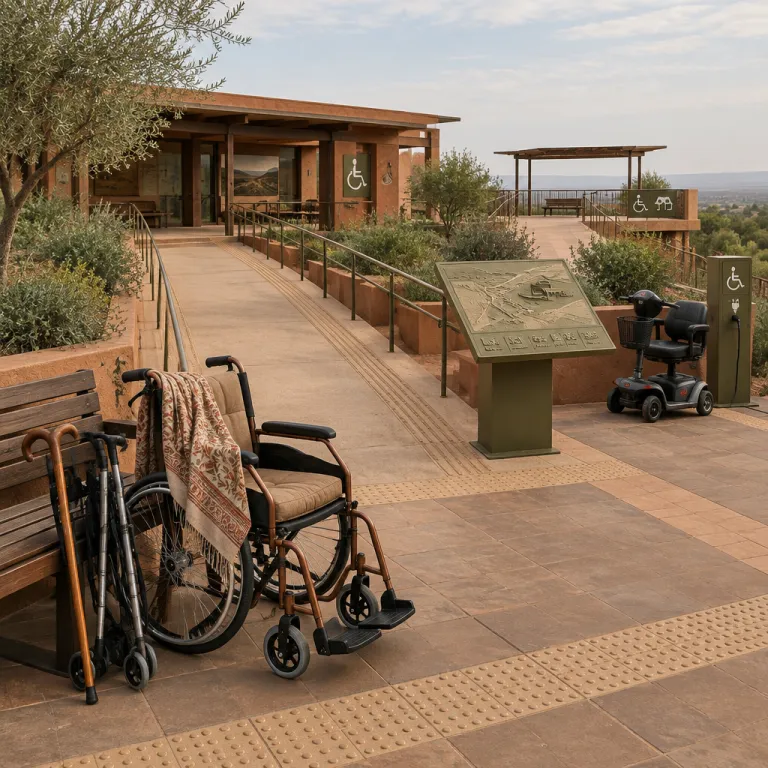
At destination scale, this means harmonising kerb heights, ramp gradients, and tactile paving across municipalities. It also requires ensuring that accessible toilets, resting areas for elderly people, and clear signage are available at intervals adapted to those with limited mobility. When these elements are coordinated, mobility challenges become manageable rather than exhausting, especially for senior citizens who may combine a mobility aid with other medical needs, and authorities can monitor progress through metrics such as kilometres of step-free routes or the proportion of bus stops meeting accessibility criteria.
Collaboration with urban planners is crucial to integrate assistive technologies into public space design. Audio beacons at crossings, visual contrast for people with low vision, and charging points for electric wheelchairs or other battery-powered equipment all support independent living. Regional tourism bodies can use their convening power to align transport authorities, heritage managers, and private operators around a shared accessibility roadmap that explicitly includes visitors from India and other international markets, drawing on national accessibility standards and recent guidance from disability advocacy organisations.
Programming services and events as inclusive tourism infrastructure
Events and cultural programming can function as powerful infrastructure for accessible tourism when designed with mobility in mind. A festival that offers reserved seating for people with disabilities, step-free viewing platforms, and on-site mobility aids rental can be more inclusive than a perfectly accessible but empty square. For Offices de tourisme, this means treating services and programming as part of the same accessibility strategy as ramps and lifts, and evaluating them with concrete indicators such as the number of accessible tickets sold or satisfaction ratings from disabled attendees.
Regional tourism organisations can work with event producers to integrate mobility solutions from the earliest planning stages. This includes ensuring that wheelchair-accessible transport is scheduled around peak event times, that medical assistance is visible and multilingual, and that customer service teams are trained to support elderly individuals from India or the United States who may be unfamiliar with local systems. When these elements are in place, events become showcases of how a destination welcomes people with disabilities and their families, and provide real-life case studies that can be promoted in marketing campaigns.
Strategic programming also helps justify investments in mobility equipment and assistive devices that can be reused across multiple events and seasons. A stock of portable ramps, induction loops, and electric mobility devices can serve both international visitors and local senior citizens throughout the year. For a deeper perspective on how events act as structural tourism assets, regional leaders can examine analyses of events as tourism infrastructure, then adapt those insights to the specific needs of disabilities in India and other source markets, using pilot projects and post-event evaluations to refine their approach.
Building trust through information, training, and cross border cooperation
Trust is the decisive factor for families considering long-haul travel with elderly parents who use mobility aids. They want to know that customer service will respond quickly, that assistance will be available in case of medical issues, and that mobility devices will be handled carefully by airlines and ground handlers. Offices de tourisme and regional bodies can build this trust through transparent information and consistent training, backed by references to recognised standards and recent international guidelines.
First, ensure that all accessibility information is precise, up to date, and available in English for travellers from India and the United States. Describe exactly which entrances are step free, what type of wheelchair can be accommodated, and whether electric or battery-powered mobility devices can be charged on site. Provide clear guidance on travel insurance considerations for people with disabilities, including how travellers from India typically provide medical certificates and how individuals can coordinate assistance with airlines and local services, and encourage visitors to keep written confirmations of all accessibility arrangements.
Second, invest in training for front-line staff across hotels, attractions, and transport operators so that they understand mobility challenges and the diversity of assistive technologies. Staff should be able to explain the difference between a manual wheelchair, a powered mobility aid, and other assistive devices, and know how to contact specialised support when needed. Cross-border cooperation with destinations that already welcome large numbers of disabled individuals, such as some regions in the United States, can accelerate learning and help your région position itself as a leader in inclusive, independent-living-oriented tourism for elderly travellers from India and beyond, especially when combined with peer exchanges, study visits, and joint training modules.
Key figures on accessibility, mobility aids, and senior travel
- The World Health Organization estimates that more than 1 billion people worldwide live with some form of disability, and a significant share experience mobility challenges that affect their travel decisions (WHO World Report on Disability, 2011; updated disability prevalence figures are regularly cited in WHO fact sheets on disability and ageing).
- According to the United Nations World Tourism Organization, the accessible tourism market, including senior citizens and disabled individuals, represents hundreds of millions of potential travellers and generates higher average spending due to the need for specialised services and equipment (UNWTO Recommendations on Accessible Tourism for All, 2013, and subsequent UNWTO reports on inclusive tourism and ageing populations).
- Data from the Ministry of Tourism in India indicate that outbound travel from India has grown steadily over the past decade, with a rising proportion of trips taken by multigenerational families that include elderly parents, especially to long-haul destinations; recent tourism statistics and annual reports confirm this trend toward higher-value, family-based travel.
- Studies in the European Union have shown that improving wheelchair accessibility and related assistive technologies in public transport can increase overall ridership, benefiting both people with disabilities and the general population (for example, research cited in the European Commission’s “Mapping of Accessibility in Transport for Persons with Reduced Mobility” and follow-up assessments on accessible transport networks).
- Research by major airlines shows that requests for wheelchair assistance and mobility aid handling have increased year on year, reflecting both ageing populations and greater awareness of travel rights among individuals with disabilities, as documented in annual accessibility and service-quality reports and in periodic reviews of airline compliance with international accessibility regulations.
FAQ about mobility aids, elderly travellers from India, and wheelchair accessibility
How can a tourist office better serve elderly travellers from India who use mobility aids ?
A tourist office can centralise information on wheelchair-accessible transport, medical services, and mobility equipment rental, then present it clearly in English for visitors from India. It should coordinate with airlines, airports, and local providers to explain how assistance works at each stage of the journey. Dedicated contact points and trained staff help families feel confident when planning complex trips with elderly parents, and follow-up surveys can be used to measure satisfaction and identify gaps.
What information about airlines and air travel should be provided to disabled individuals ?
Destinations should explain how airlines handle wheelchairs, electric scooters, and other battery-powered mobility devices, including size and weight limits. They should also outline how to request assistance at check-in, during boarding, and on arrival, with links to airline customer service contacts. Clear guidance on medical documentation and travel insurance requirements for people with disabilities is essential, along with references to the IATA Dangerous Goods Regulations and any additional airline rules on lithium batteries.
Which types of mobility equipment should destinations prioritise for rental services ?
Destinations should prioritise manual and electric wheelchairs, lightweight mobility aids such as walkers, and battery-powered scooters suitable for urban and rural terrain. Adjustable beds, shower chairs, and portable ramps are also important medical equipment for independent living in holiday rentals. Offering a mix of short-term and long-term rental options allows both international visitors and local senior citizens to benefit, and stock levels can be planned using data on seasonal demand and typical trip durations.
How can regional authorities integrate assistive technologies into public tourism infrastructure ?
Regional authorities can include tactile paving, audio beacons, and visual contrast in street design, while ensuring charging points for electric mobility devices in key tourism zones. They should also promote digital tools such as accessible maps and apps that indicate step-free routes and services for people with disabilities. Collaboration with disability organisations and technology providers helps ensure that assistive devices and services match real user needs, and that new solutions are tested with people who rely on mobility aids in daily life.
Why is cross border cooperation relevant for accessibility strategies in tourism ?
Cross-border cooperation allows destinations to learn from regions that already welcome many disabled individuals and senior travellers, such as parts of the United States or popular European cities. Shared training programmes, common accessibility standards, and joint promotion of inclusive routes can raise quality for all visitors. This cooperation is particularly valuable when targeting emerging outbound markets like India, where expectations around mobility solutions and customer service are evolving quickly, and where trusted case studies from comparable destinations can strongly influence travel decisions.
Practical checklist and next steps for tourist offices
- Audit your current information on mobility aids for elderly visitors from India and wheelchair accessibility, and update it in clear, accessible English.
- Map local providers of mobility equipment, medical services, and accessible transport within at least a 30–50 km radius.
- Coordinate with airports, airlines, and inbound agencies to document the full assistance chain for disabled individuals, including IATA-based battery rules.
- Train front-line staff to understand different assistive devices and to respond confidently to complex accessibility questions.
- Integrate accessibility requirements into event planning, infrastructure upgrades, and regional tourism strategies.
To position your région as a trusted destination for elderly travellers from India and other international visitors with disabilities, start implementing this checklist now and make accessibility a visible, measurable pillar of your tourism development strategy, supported by clear targets, regular reporting, and ongoing dialogue with disability organisations.