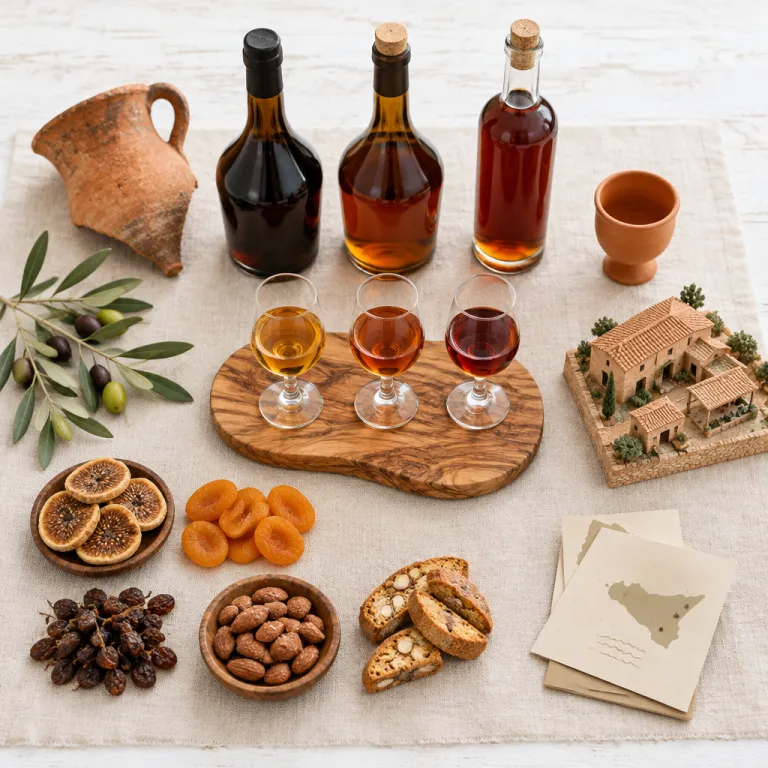
Positioning fortified Sicilian wine as a strategic tourism asset
For destination managers in Sicily, fortified Sicilian wine is far more than a heritage drink. It is a structured tourism product that can connect terroir, culture, and high value visitors across western Sicily and beyond. When treated as a strategic asset, this family of fortified wines becomes a lever for territorial branding, premium experiences, and measurable impact on the hospitality industry.
The production of Marsala wine, Passito di Pantelleria, Malvasia, and other Sicilian fortified wines already offers a complete narrative arc for tourism development. Sicily produces renowned fortified wines like Marsala, Passito di Pantelleria, Malvasia, and Zibibbo. This ongoing production, combined with the DOC status of Marsala wine and the specific identity of each fortified wine, gives local tourism boards and public authorities a solid base to design differentiated wine tours and themed drinks itineraries.
For regional agencies, the key is to frame every fortified Sicilian wine as both an agricultural product and a cultural story. Each wine produced in western Sicily, from a dry vergine Marsala fortified style to a sweet dessert wine based on sun dried grape, can be positioned as a gateway to local crafts, gastronomy, and landscape interpretation. This approach allows the city of Marsala, Pantelleria, and other territories in Sicily to move from simple promotion of wines to curated experiences that integrate recipes, pastry pairings, and even aromatic cream based desserts.
From vineyard to visitor journey : designing coherent fortified wine experiences
Building a compelling visitor journey around fortified Sicilian wine starts with understanding the full value chain. Traditional fermentation, fortification with grape spirit, and aging in wooden casks using soleras and vergine soleras systems are not only technical steps but storytelling opportunities. Local tourism offices can help winemakers translate these aged wine processes into accessible narratives for wine enthusiasts and non expert visitors.
In practice, this means structuring wine tours that move from vineyard to cellar, then to tasting rooms and finally to local restaurants that work with both dry and sweet Sicilian wine styles. A route in western Sicily might begin in the city of Marsala, where Marsala produced in historic cantine such as Cantine Florio can be presented alongside archives about Benjamin Ingham and other pioneers of Marsala fortified trade. From there, visitors can continue to Pantelleria for Passito Pantelleria tastings, where they learn how sun dried Zibibbo grape clusters become intensely aromatic dessert wine and how these wines pair with local biscuits or cream filled pastries.
For tourism planners, it is useful to benchmark against other wine regions that have successfully structured their offer. The way the Sancerre wine region has leveraged the Sauvignon Blanc grape to elevate territorial tourism strategies, as analysed in this article on wine led destination development, offers a clear parallel. By adapting similar principles, Sicilian wine routes can integrate both Italian wine education and broader cultural content, ensuring that fortified wines, still wines, and local food are woven into a coherent, bookable visitor journey.
Seasonality, events, and premium programming around fortified wines
Seasonality remains a central challenge for many Sicilian destinations, yet fortified Sicilian wine offers tools to smooth peaks and troughs. Because fortified wines and dessert wine styles age well and are less dependent on the latest harvest, they can anchor events in shoulder months such as September or early spring. Local tourism offices can therefore design calendars where wine tours, tastings, and culinary workshops extend well beyond the classic summer beach season in Sicily.
One strategy is to create a series of Marsala wine weekends that combine guided visits to historic soleras cellars, vertical tastings of aged vergine Marsala, and cooking classes using Marsala wine in savoury and sweet recipes. These events can highlight how Marsala produced in different parts of western Sicily expresses distinct aromatic profiles, from dry and nutty to sweet and creamy, and how each style pairs with local dishes or refined desserts. A complementary programme on Pantelleria could focus on Passito Pantelleria, positioning this sweet Sicilian fortified wine as the star of dessert wine pairings with almond pastries and grape must based cakes.
For inspiration on how a single event can transform a territory, tourism leaders can look at the role of the Fredericksburg food and wine festival in Texas, analysed as a model of high value tourism product development. A similar approach in Sicily would mean building a flagship festival in the city of Marsala that celebrates fortified wine, Italian wine culture, and local gastronomy, while satellite events in other towns extend the benefits across the region. This type of programming can attract both wine enthusiasts and general visitors, increasing average spend on drinks, accommodation, and experiences.
Integrating gastronomy, recipes, and hospitality for higher visitor spend
For private tourism actors and hospitality operators, fortified Sicilian wine is a powerful tool to increase per guest revenue. Hotels, agriturismi, and restaurants can design menus where Marsala fortified wines, Passito Pantelleria, and other Sicilian fortified styles are not only drinks but core ingredients in recipes. When chefs integrate dry Marsala wine into savoury sauces and sweet Marsala into cream based desserts or chilled pairings, they create a distinctive Italian offer that visitors remember and share.
Destination managers should encourage cross sector collaboration so that wine produced in western Sicily appears consistently across the local hospitality ecosystem. A coordinated approach might include training for restaurant teams on how to present fortified wine and dessert wine pairings, guidance for pastry chefs on using Marsala wine and Passito Pantelleria in cakes and creams, and support for bars to create signature drinks based on Sicilian wine and other Italian wine references. This integrated strategy ensures that visitors encounter fortified wines at multiple touchpoints, from breakfast buffets with grape must jams to evening tastings of aged vergine soleras selections.
For local tourism offices, promoting these experiences requires clear, engaging content that invites visitors to read menus, understand labels, and appreciate the difference between wine Sicily styles such as wine Marsala, wine Sicilian table wines, and more concentrated fortified wines. By highlighting the role of Sicilian winemakers as producers who craft fortified wines using traditional methods, and by emphasising the ongoing production and global distribution of Marsala produced in the city of Marsala, destinations can reinforce their authority in the global wine industry. This, in turn, supports higher price points for tastings, pairings, and culinary classes.
Building wine tourism infrastructure and partnerships across Sicily
Transforming fortified Sicilian wine into a robust tourism product requires more than storytelling ; it demands infrastructure and governance. Local tourism offices, development agencies, and elected officials need to coordinate investment in signage, visitor centres, and transport links that connect the city of Marsala, Pantelleria, and other wine Sicily hubs. Clear wayfinding for wine tours, safe cycling routes between wineries, and multilingual interpretation materials all contribute to a seamless visitor experience.
Partnerships with Sicilian winemakers are central, since they are the producers who maintain traditional methods such as aging in oak or chestnut barrels and managing soleras systems. Collaboration with international wine distributors can also help align on market expectations, ensuring that the fortified wine styles promoted to visitors match what they later find in export markets. This alignment strengthens the reputation of Sicilian wine and Italian wine more broadly, while reinforcing the identity of Marsala fortified and other fortified wines as premium products.
Regional strategies should also integrate regenerative tourism principles, particularly in vineyard landscapes that are sensitive to climate change and visitor pressure. The financial models used to fund habitat restoration through visitor levies, analysed in this piece on regenerative tourism funding, offer a relevant framework. By applying similar mechanisms in Sicily, destinations can ensure that every glass of fortified Sicilian wine enjoyed by visitors contributes to maintaining terraces, dry stone walls, and biodiversity in grape growing areas.
Marketing, interpretation, and education for long term destination value
Effective marketing of fortified Sicilian wine to international audiences requires clarity, authenticity, and education. Local tourism offices should position Marsala wine, Passito Pantelleria, and other Sicilian fortified wines within the broader context of Italian wine culture, while emphasising what makes wine Sicilian unique. This includes the island’s climate and soils, which are ideal for producing fortified wines with distinctive aromatic profiles and a wide spectrum from dry to sweet.
Educational content can address common questions from wine enthusiasts and general visitors alike, such as the difference between a dry vergine Marsala and a sweet dessert wine, or how fortified wine can be used in both savoury and sweet recipes. As one expert explanation puts it, “What is Marsala wine? A Sicilian fortified wine ranging from dry to sweet.” By integrating such clear definitions into brochures, websites, and guided tastings, destinations help visitors read labels with confidence and choose drinks that match their preferences, whether they seek an aperitif, a pairing for ice cream, or a complex aged wine for meditation.
Long term, the objective is to build a global community of wine enthusiasts who associate Sicily with high quality fortified wines and memorable tourism experiences. With around 20 000 hectolitres of Marsala wine produced and some 500 000 annual wine tourism visitors recorded by regional bodies such as IRVO and the Osservatorio Turistico Regionale, the growth potential remains significant for the industry. By aligning marketing, infrastructure, and product development, Sicilian territories can ensure that every fortified Sicilian wine served in a tasting room, restaurant, or bar becomes an ambassador for the destination and a driver of sustainable economic value.
Key figures on fortified Sicilian wine and tourism
- Marsala wine production volume is estimated at around 20 000 hectolitres according to the Sicilian Wine Association and regional wine consortia, which provides a substantial base for structured wine tours and export oriented marketing.
- The Sicilian Tourism Board and the Osservatorio Turistico Regionale report approximately 500 000 annual wine tourism visitors, indicating strong demand for experiences centred on Sicilian wine, including fortified wines and dessert wine tastings.
- The historical timeline of Marsala fortified production stretches from its commercial rise in the eighteenth century to its DOC recognition in the late twentieth century, underlining the depth of heritage that destinations can interpret for visitors.
- Current trends highlight growing interest in organic fortified wines and increased wine tourism in Sicily, suggesting that investments in sustainable vineyard management and regenerative tourism infrastructure can meet evolving visitor expectations.
FAQ about fortified Sicilian wine and tourism development
What is Marsala wine and why does it matter for tourism ?
Marsala wine is a Sicilian fortified wine ranging from dry to sweet, produced mainly around the city of Marsala in western Sicily. Its DOC status, historical links to figures such as Benjamin Ingham, and versatile use in drinks and recipes make it a flagship product for wine tours and culinary tourism. Destinations can use Marsala produced in traditional soleras systems as a narrative anchor for heritage, gastronomy, and premium hospitality.
How is Passito di Pantelleria made and how can it be promoted ?
Passito di Pantelleria is produced from sun dried Zibibbo grape clusters on the island of Pantelleria, resulting in a sweet, intensely aromatic dessert wine. Tourism actors can design tastings that explain the drying process, showcase aged vintages, and pair the wine with local desserts or ice cream. This approach turns Passito Pantelleria into both a product and an experience that differentiates Pantelleria within the wider Sicily offer.
Can fortified wines be used in local gastronomy and cooking classes ?
Fortified wines such as Marsala are widely used in cooking, from savoury sauces for meat and fish to sweet creams, cakes, and frozen desserts. Destinations can encourage restaurants and cooking schools to integrate Marsala wine and other Sicilian fortified styles into their recipes, creating signature dishes that visitors associate with the territory. This strategy increases demand for local wine produced in the region and raises average spend on food experiences.
What foods pair well with Malvasia and other Sicilian dessert wines ?
Malvasia and similar Sicilian dessert wines pair particularly well with almond pastries, dried figs, and other traditional sweets. They also complement cream based desserts and artisanal ice cream, especially when the recipes incorporate local ingredients such as citrus or grape must. Local tourism offices can promote these pairings in brochures and tasting notes, encouraging visitors to seek out specific combinations during their stay.
How can local tourism offices support winemakers while managing visitor flows ?
Local tourism offices can coordinate with Sicilian winemakers to schedule visits, design capacity aware wine tours, and promote lesser known wineries alongside famous estates. By investing in signage, training guides, and encouraging advance booking, they help protect producers’ working time while ensuring quality experiences for visitors. Integrating regenerative tourism principles and potential visitor levies can also fund landscape maintenance in vineyard areas, aligning economic benefits with environmental stewardship.