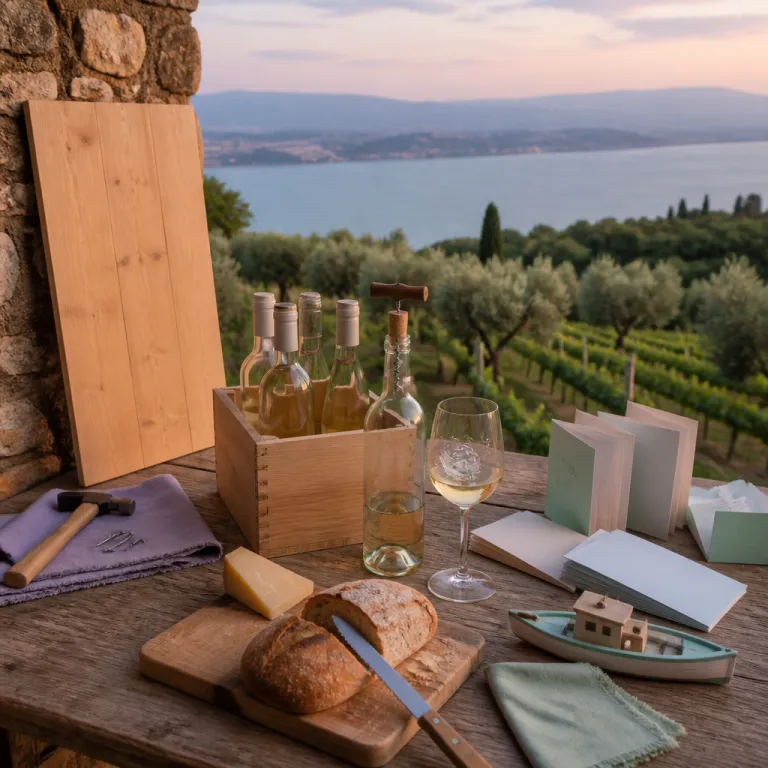
Lugana white wine as a strategic tourism product for destinations
Lugana white wine offers Offices de tourisme and regional agencies a precise, high value product around which to structure eno tourism. This distinctive white from the Lugana DOC, produced near Lake Garda in Lombardy Italy and Veneto, connects terroir, culture, and hospitality in a way that few wines can match. For destinations seeking to rebalance visitor flows, lugana wine provides a concrete narrative that links vineyards, the lake landscape, and historic towns such as Sirmione.
The appellation’s clay rich soils and mild breezes from Lake Garda shape lugana wines made primarily from the Turbiana grape, giving them minerality, bright fruit and a characteristic yellow color that appeals strongly to international visitors. According to data published by the Consorzio Tutela Lugana DOC, annual production is reported at roughly 15 million bottles, spread across around one hundred wineries, which gives tourism planners a critical mass of experiences to curate. This scale allows Offices de tourisme to design themed routes around lugana white wine, from entry level cuvées to lugana superiore and lugana riserva labels, while still preserving an intimate, village based atmosphere.
For regional development teams, the fact that lugana white is a controlled designation wine, with clear DOC rules on grape varieties and yields, simplifies storytelling and quality assurance. The Turbiana grape, historically linked to verdicchio but now recognised as distinct, offers a strong educational hook for guides and interpretation centres. When tourism actors frame lugana wines as ambassadors of Lombardy Italy and the broader Garda region, they create a bridge between agricultural policy, cultural heritage, and premium hospitality that can justify investment in infrastructure and training.
Designing eno tourism itineraries around Lugana DOC and Lake Garda
Building structured eno tourism itineraries around Lugana DOC requires Offices de tourisme to map producers, access, and visitor capacity with the same precision used for major cultural attractions. The compact region south of Lake Garda, between Lombardy and Veneto, allows for dense but gentle programming that links vineyards, lakeside promenades, and heritage villages such as San Benedetto di Lugana. When routes are anchored in lugana white wine, they naturally combine tastings, gastronomy, and soft mobility along the shores of Lake Garda.
Destination managers can, for example, propose half day circuits that start from Sirmione, cross the vineyards of Tenuta Roveglia or Famiglia Olivini, and end with a sunset walk along the Spiaggia del Garda. Each stop can highlight a different style of lugana wines, from fresh stainless steel aged white wines to more structured lugana superiore and lugana riserva cuvées matured partly in oak. Integrating producers such as Zenato, Cà dei Frati, Benedetto Lugana, or Ottella under the shared Lugana DOC appellation allows visitors to compare interpretations of the same Turbiana grape and understand how micro terroirs near the lake influence aroma, texture, and yellow color intensity.
For regional tourism boards rethinking their wine tourism strategies, lugana white wine offers a textbook case of how eno tourism can reshape regional wine tourism strategies in Europe, as analysed in specialised studies on innovative eno tourism models. Offices de tourisme can integrate data on bottle price ranges, export markets, and seasonal sales to segment audiences and adapt messaging for domestic versus long haul visitors. In one monitored eno tourism programme around Lake Garda, for instance, local authorities reported that visitors who joined a Lugana themed itinerary spent around 25% more on accommodation and gastronomy than other guests, illustrating how a focused wine route can generate measurable economic impact.
From cellar door to destination brand: structuring Lugana experiences
Transforming lugana white wine from a cellar door attraction into a destination brand requires coordinated product development across public and private actors. Offices de tourisme, development agencies, and producers must align on quality standards for visits, multilingual signage, and booking systems that respect both winery capacity and visitor expectations. When this alignment is achieved, lugana wines become a unifying thread that connects accommodation, gastronomy, events, and mobility services across the region.
One effective approach is to design a calendar of flagship events where lugana wine plays the central role, similar in spirit to how major food and wine festivals anchor high value tourism product development in other regions, as shown by analyses of the Fredericksburg food and wine festival model. Around Lake Garda, this could mean harvest celebrations in Sirmione, vertical tastings of lugana riserva and lugana superiore in San Benedetto, or themed dinners pairing local white wines with freshwater fish from the lake. As one German visitor commented after a lakeside tasting, “I came for the scenery, but it was the Lugana in my glass that made me want to stay an extra night.” Each event should highlight the diversity of Lugana DOC styles, from crisp, youthful lugana white to complex riserva bottlings, while also educating visitors about sustainable viticulture and the specificities of the Turbiana grape.
To reinforce the destination brand, tourism boards can work with wineries such as Tenuta Roveglia, Famiglia Olivini, Zenato, Cà dei Frati, and Benedetto Lugana to create a shared visual identity that appears on maps, digital passes, and point of sale materials. Clear information on average bottle price, export markets, and the proportion of production sold directly at the cellar helps Offices de tourisme quantify the economic role of lugana wines in the local tourism economy. One tourism board in the Garda area, for instance, reported that visitors who include a Lugana tasting in their stay spend on average 20–30% more on local services than other guests, a figure drawn from internal monitoring reports. When visitors leave with a carefully chosen bottle of lugana white wine, they carry home not only a DOC product but a tangible memory of Lake Garda and the Lombardy Italy region.
Pricing, segmentation, and visitor redistribution through Lugana wines
For regional planners, lugana white wine is not only a cultural asset but also a lever for managing flows, pricing, and seasonality. Because lugana wines cover a broad spectrum of styles and price points, from accessible entry level white wines to premium lugana riserva cuvées, they lend themselves well to tiered experiences targeting different visitor segments. This flexibility allows Offices de tourisme to design offers that appeal to day trippers, high spending eno tourists, and MICE groups without diluting the core identity of the Lugana DOC.
Dynamic pricing strategies can use lugana wine themed experiences to shift demand away from peak summer weeks on Lake Garda toward shoulder seasons, especially during the September grape harvest and spring flowering period. Case studies on visitor redistribution in European regions, such as those presented in analyses of summer visitor redistribution through pricing and programming, show that well designed thematic products can move significant volumes when combined with targeted communication. In the Lugana region, this could mean offering preferential prices on guided tastings, vineyard walks, or multi winery passes outside the absolute high season, while maintaining premium price levels for exclusive riserva tastings during peak demand.
Segmentation can also be refined by emphasising specific aspects of lugana white wine for different markets, such as the fresh, mineral profile and pale yellow color for Nordic visitors, or the gastronomic pairing potential with lake fish for German speaking guests. Offices de tourisme should work with wineries and distributors to track data on on site sale volumes, average bottle price, and the share of visitors who purchase lugana wines after tastings. In one pilot eno tourism programme, for example, nearly two thirds of participants bought at least three bottles after a guided visit, with an average spend per person of around €45 according to local tourism board surveys. These figures help justify investments in infrastructure, such as improved cycling paths between vineyards and the lake, or multilingual training for guides who explain the nuances of the Turbiana grape and the differences between lugana superiore, lugana riserva, and sparkling versions.
Integrating Lugana producers into regional tourism governance
Effective tourism product development around lugana white wine depends on integrating wine producers into regional governance structures rather than treating them as isolated suppliers. Offices de tourisme and development agencies should invite representatives from Lugana wine producers, including estates such as Tenuta Roveglia, Famiglia Olivini, Zenato, Cà dei Frati, Benedetto Lugana, and Ottella, to participate in destination management organisations. This ensures that decisions on infrastructure, signage, and marketing reflect the operational realities of vineyards and cellars across the Lugana DOC.
Joint working groups can address practical issues such as coach access to wineries near San Benedetto, cycling safety on narrow roads between vineyards and Lake Garda, or the integration of lugana wines into hotel and restaurant wine lists throughout the region. When local authorities coordinate with producers on topics like opening hours, language skills, and booking tools, they reduce friction for visitors and increase the likelihood of on site sale of bottles at sustainable price levels. As one Lugana producer notes, “when the tourism office shares our calendar and helps visitors book in advance, we can welcome more people without compromising the quality of the tasting.” This collaboration also supports consistent messaging about the Turbiana grape, the link between Lugana and verdicchio in historical research, and the specific microclimate created by the lake that shapes the white wines’ structure and yellow color.
From a governance perspective, including wine actors in tourism planning helps align agricultural, environmental, and hospitality policies across Lombardy Italy and neighbouring territories. Regional councils can, for example, support investments in sustainable viticulture that protect the landscape views over Lake Garda, which are central to the eno tourism appeal of lugana white wine. When producers feel that tourism strategies respect their constraints and highlight the quality of lugana wines, they are more willing to open cellars, invest in visitor facilities, and participate in joint promotions that benefit the entire region.
Communicating Lugana’s identity to international markets
For Offices de tourisme and regional marketing teams, communicating the identity of lugana white wine to international markets requires clarity, consistency, and strong visual storytelling. Campaigns should emphasise that Lugana DOC is a compact region on the southern shores of Lake Garda in Lombardy Italy, where the Turbiana grape yields elegant white wines with minerality, citrus notes, and a luminous yellow color. This geographic precision helps differentiate lugana wines from other Italian white wines and positions them as a distinct eno tourism destination rather than a generic stop on a broader Italy tour.
Digital content can highlight emblematic producers such as Tenuta Roveglia, Famiglia Olivini, Zenato, Cà dei Frati, Benedetto Lugana, and Ottella, always framed within the collective identity of the Lugana DOC. Storytelling should explain that “Lugana wine is made from the Turbiana grape.” and that “Lugana wine is produced in the Lugana region near Lake Garda, Italy.”, while also underlining that “Lugana wine is known for its minerality, bright fruit flavors, and aging potential.”. These verified statements, drawn from producer and consortium materials, give international visitors confidence and provide guides with solid, factual talking points during tastings and vineyard tours.
To support trade partners and tour operators, regional agencies can produce concise fact sheets that summarise key data such as annual production volumes, number of wineries, typical bottle price ranges, and the proportion of lugana white wine sold as lugana superiore or lugana riserva. Visuals showing the proximity of vineyards to the lake, the clay rich soils, and the gentle slopes around Sirmione and San Benedetto del Garda reinforce the link between landscape and wine. When this communication is consistent across websites, brochures, and on site signage, lugana wines become a recognisable symbol of the Garda region, encouraging visitors to extend their stay, explore more cellars, and engage deeply with the local hospitality ecosystem.
Key figures on Lugana white wine and tourism
- Annual production of lugana white wine is reported at around 15 million bottles according to the Consorzio Tutela Lugana DOC, which provides a substantial base for eno tourism programming across the region.
- Approximately one hundred wineries produce lugana wines within the Lugana DOC area, as indicated by consortium and producer listings, giving Offices de tourisme a wide network of partners for route design and joint marketing.
- The harvest of the Turbiana grape typically takes place in September, creating a natural peak period for themed events and vineyard visits linked to lugana white wine.
- Producers increasingly experiment with aging on fine lees and partial oak maturation for lugana superiore and lugana riserva cuvées, which supports higher price positioning and premium tourism experiences.
- Rising global interest in Lugana DOC, especially in export markets for Italian white wines, reported by the Lugana consortium and trade fairs, strengthens the case for investment in eno tourism infrastructure around Lake Garda.
FAQ about Lugana white wine and tourism development
What grape is used to make Lugana white wine ?
Lugana white wine is made primarily from the Turbiana grape, a local variety historically linked to verdicchio but now recognised for its own identity and strong expression of the Lake Garda terroir.
Where exactly is Lugana white wine produced ?
Lugana white wine is produced in the Lugana DOC area on the southern shores of Lake Garda, mainly in Lombardy Italy around towns such as Sirmione and San Benedetto del Garda, with some vineyards extending into neighbouring Veneto.
What are the main characteristics of Lugana white wine for visitors ?
Lugana white wine is known for its marked minerality, bright citrus and stone fruit flavours, and a clear yellow color, with styles ranging from fresh, early drinking cuvées to structured lugana superiore and lugana riserva wines that show notable aging potential.
How can Offices de tourisme integrate Lugana wines into their tourism offer ?
Offices de tourisme can integrate Lugana wines by creating mapped eno tourism routes, coordinating cellar visits with producers, training guides on the specifics of the Turbiana grape and Lugana DOC rules, and linking tastings with local gastronomy and Lake Garda landscape experiences.
Why is Lugana white wine strategic for regional tourism development ?
Lugana white wine is strategic because it combines a strong, recognisable product with a compact, scenic region around Lake Garda, enabling destinations to design high value, low impact tourism products that support local wineries, extend visitor stays, and redistribute demand across seasons.