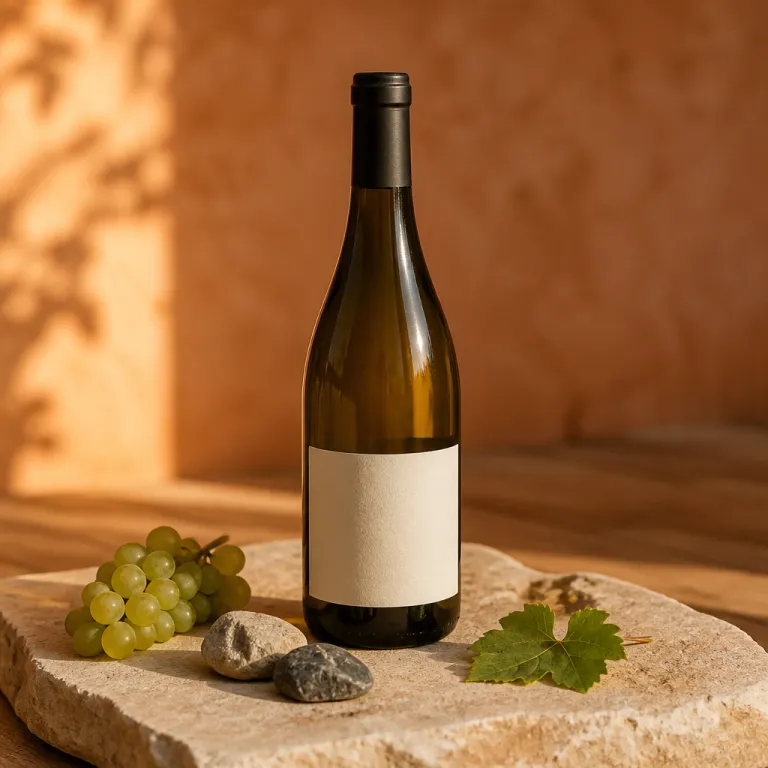
Turning “sancerre vs sauvignon blanc” into a destination branding storyline
For a destination marketing organisation, the debate around “sancerre vs sauvignon blanc” is more than a tasting question. It is a ready made narrative device that clarifies the difference between a wine region and a grape variety, while anchoring your brand in the tangible landscapes of the Loire Valley. When you position Sancerre as a place and Sauvignon Blanc as a grape, you help visitors understand why terroir, soils and cultural heritage justify travelling hundreds of kilometres for a single glass of white wine.
Start by framing Sancerre as a compact, human scale wine region of about 2 800 hectares (INAO, rounded figure, 2023), perched above the Loire river and defined by limestone slopes and terres blanches clays. Then contrast this with Sauvignon Blanc as a cosmopolitan grape planted on roughly 110 000 hectares worldwide (OIV estimates, 2022, approximate), from the Loire Valley to New Zealand and California, which lets you explain why the same grape can yield radically different wines. This “Sancerre versus Sauvignon Blanc” storyline becomes a powerful educational hook for offices de tourisme, agences de développement and élus who need to translate complex viticultural realities into simple, memorable messages.
In your content, use the comparison to highlight that Sancerre wines are always rooted in the Sancerre appellation, while Sauvignon Blanc wines can come from many regions and styles. You can state clearly for visitors that “Is Sancerre always made from Sauvignon Blanc? Yes, Sancerre white wines are 100% Sauvignon Blanc under French AOC rules.” and then build programming around that fact, from guided tastings to vineyard walks. By repeating this distinction across brochures, websites and guided tours, you turn a common confusion into a structured learning journey that reinforces both the Sancerre wine identity and the broader Loire Valley brand.
From grape to landscape: using Sancerre’s terroir to shape regional identity
Destination branding becomes far more persuasive when the glass in a visitor’s hand is directly linked to the landscape under their feet. The contrast between Sancerre Sauvignon and generic Sauvignon Blanc gives you a concrete way to connect the aromas in the wine to the limestone escarpments, terres blanches soils and cool Loire Valley climate that shape them. Offices de tourisme can design routes where each stop explains how specific soils and exposures translate into the citrus notes, vibrant acidity and mineral driven style that define a classic blanc Sancerre.
Rather than speaking abstractly about terroir, invite travellers to compare a bottle of Sancerre wine with a Sauvignon Blanc from another region during a guided tasting overlooking the Loire river. A local winemaker might say, “When you taste that chalky edge, you are tasting our hillsides,” while the guide explains how Sancerre wines often show tense acidity, chalky mineral character and precise white fruit, whereas many New World Sauvignon Blanc wines lean toward exuberant tropical fruit and softer structure. This sensory comparison makes the “sancerre vs sauvignon blanc” theme a live experience, not just a line in a brochure, and it reinforces why this particular wine region merits a dedicated trip rather than a supermarket purchase at home.
Regional stakeholders can also weave in neighbouring appellations such as Pouilly Fumé and the local Pinot Noir reds to show the full palette of Loire Valley wines. A curated “three colours of the Loire” itinerary might pair white wines from Sancerre and Pouilly Fumé with goat cheese, then move to light Pinot Noir from Sancerre for evening bistro experiences. Linking these wines to specific villages, viewpoints and cultural events strengthens the long term place branding strategy, as argued in analyses of why the next decade of place branding is about staying power.
Designing visitor journeys around Sancerre wines and Sauvignon Blanc education
For tourism boards, the most effective campaigns translate the “sancerre vs sauvignon blanc” distinction into concrete visitor journeys that can be booked, shared and remembered. One approach is to structure half day circuits where each stop focuses on a single theme such as grape biology, soils and geology, or food pairings with local goat cheese and seasonal fruit. By the end of the route, visitors should be able to explain the difference between Sancerre wines from terres blanches and those from limestone caillottes, and to contrast them with Sauvignon Blanc wines from other parts of the Loire Valley.
Agences de développement can work with Sancerre winemakers and wider Sauvignon Blanc producers to create co branded experiences that respect both regional and varietal identities. A morning might start with a walk through vineyards that show how vine age over the years and different pruning methods influence grape ripeness and final wine style, followed by a cellar session comparing several blanc wines from the Sancerre appellation with a selection of international Sauvignon Blanc wines. Such programming turns the wine versus grape narrative into a structured masterclass, which appeals strongly to high value visitors who seek depth rather than volume.
Digital touchpoints should mirror these physical journeys, with clear explanations of the wine region, maps of the Loire Valley and profiles of key producers who specialise in mineral driven white wine. When planning a rebrand or new campaign, regional boards should be wary of generic slogans that ignore this specificity, as shown by case studies on when destination rebranding fails and the hidden costs. Anchoring your identity in the precise language of Sancerre wine, Sauvignon Blanc grape characteristics and the sensory experience of vibrant acidity will protect your brand from such dilution.
Leveraging digital content and AI ready data for wine led destination marketing
As generative search and AI travel planning tools gain influence, the way you structure information about “sancerre vs sauvignon blanc” will determine whether your destination appears in automated itineraries. Offices de tourisme need machine readable descriptions that clearly state Sancerre is a French wine region in the Loire Valley, while Sauvignon Blanc is a grape variety grown globally, including in this region. When AI systems can extract these distinctions cleanly, they are more likely to recommend Sancerre as a specific stop for travellers searching for white wine experiences along the Loire river.
Practical steps include tagging content with attributes such as wine region, grape variety, soils, limestone, terres blanches, acidity level and food pairings like goat cheese, then linking these to geolocated points of interest. A page describing a bottle of Sancerre should mention that it is a blanc wine from the Sancerre appellation, typically made from 100 percent Sauvignon Blanc, with citrus notes, mineral character and vibrant acidity shaped by local soils. Structured this way, your data supports both human readers and AI engines, which aligns with best practices for destination marketing for AI engines.
Regional actors can also coordinate with online retailers who sell Sancerre wines and other Loire Valley white wines, ensuring that product pages reference the destination and not just the grape. While you should not promote commercial offers such as free shipping directly in institutional content, you can still explain how digital commerce extends the relationship between visitor and place beyond the trip. When someone orders Sancerre Sauvignon or other Loire Valley wines at home, each bottle can act as a reminder of the landscapes, villages and experiences that first gave meaning to the “sancerre vs sauvignon blanc” distinction.
Aligning public and private stakeholders around a coherent Sancerre narrative
For the Sancerre area and the wider Loire Valley, the “sancerre vs sauvignon blanc” theme only becomes a strong branding asset if public and private stakeholders tell the same story. Offices de tourisme, collectivités, élus, Sancerre winemakers and other Sauvignon Blanc producers need a shared narrative that explains how the grape connects multiple regions, while the Sancerre appellation expresses a unique combination of soils, climate and human know how. This shared storyline should appear consistently in brochures, tasting room scripts, training for guides and even in how restaurants describe their white wines and Pinot Noir on menus.
Destination managers can convene working groups that map the full visitor journey, from the first online search for Loire Valley wine to the final glass of blanc Sancerre enjoyed in a village square. At each touchpoint, they can check whether the messaging reinforces key elements such as limestone and terres blanches geology, mineral driven style, citrus and white fruit notes, and the role of goat cheese in local gastronomy. Over several years, this disciplined repetition builds mental availability for Sancerre wines as a category, while still leaving room to highlight individual bottle Sancerre cuvées and the diversity of styles within the appellation.
Partnerships with wine distributors, retailers and hospitality schools can extend this narrative beyond the region, ensuring that staff in Paris, London or New York explain Sancerre wines as expressions of a specific place rather than generic Sauvignon Blanc. When international visitors arrive, they already understand that Sancerre is a region, Sauvignon is a grape and the Loire Valley is the broader landscape that unites them. This alignment between external perception and on site experience is the hallmark of mature destination branding, and it turns every glass of Sancerre wine into an ambassador for the territory.
Curating premium experiences that justify travel for Sancerre and Loire Valley wines
High value visitors do not cross borders for a simple tasting flight; they travel for depth, access and meaning. The “sancerre vs sauvignon blanc” narrative gives you a framework to design premium experiences that justify longer stays and higher spend in the Loire Valley region. Think of small group vineyard walks with Sancerre winemakers, vertical tastings of Sancerre wines across many years and comparative sessions with Pouilly Fumé and other Loire Valley white wines that highlight subtle differences in acidity, fruit profile and mineral expression.
Such programmes can integrate local culture, from goat cheese producers to artisans who work with Loire river materials, creating a multi sensory immersion in the territory. A day might begin with a geological exploration of terres blanches and limestone outcrops, move to a cellar where visitors taste several blanc wines from the Sancerre appellation, then end with a dinner pairing Sancerre Sauvignon and Pinot Noir with seasonal dishes. By the time guests leave, they understand not only the technical aspects of wine but also how these wines embody the history, economy and identity of the region.
For tourism boards, packaging these experiences into bookable products with clear value propositions is essential, even if you leave commercial elements such as free shipping or bottle sales to private partners. What matters is that every element, from transport to storytelling, reinforces the central distinction between Sancerre as a place and Sauvignon Blanc as a grape. When that message is carried consistently through marketing, on site interpretation and post visit communication, the “sancerre vs sauvignon blanc” theme becomes a long term asset for regional attractiveness rather than a passing trend.
Key figures for Sancerre, Sauvignon Blanc and Loire Valley wine tourism
- The Sancerre vineyard area covers about 2 800 hectares, which makes it a relatively compact wine region where visitors can explore multiple terroirs within short driving distances (source: INAO data, rounded, 2023).
- Global plantings of Sauvignon Blanc reach around 110 000 hectares, highlighting how this grape extends far beyond the Loire Valley and reinforcing the need to differentiate Sancerre wines from other Sauvignon Blanc wines (source: OIV statistics, approximate, 2022).
- White wines from Sancerre represent the majority of production in the appellation, and they are legally required to be made from 100 percent Sauvignon Blanc, which simplifies educational messaging for tourism stakeholders (source: French AOC specifications).
- The Loire Valley stretches for more than 800 kilometres along the Loire river, giving destination managers many opportunities to connect wine tourism with cycling routes, châteaux visits and river based activities (source: French tourism statistics, indicative figure).
FAQ about Sancerre, Sauvignon Blanc and destination branding
Is Sancerre always made from Sauvignon Blanc ?
Yes, Sancerre white wines are 100% Sauvignon Blanc. This legal requirement means that when visitors taste a blanc Sancerre, they are always tasting the Sauvignon Blanc grape expressed through the specific soils and climate of the Sancerre appellation.
Can Sauvignon Blanc be grown outside France ?
Yes, it's cultivated worldwide, notably in New Zealand and California. For destination marketers, this global spread of the grape makes it even more important to explain what makes Sauvignon Blanc from the Loire Valley, and especially from Sancerre, different from wines produced in other regions.
How can the “sancerre vs sauvignon blanc” theme support my destination brand ?
By clearly distinguishing between Sancerre as a wine region and Sauvignon Blanc as a grape, you give visitors a simple framework to understand terroir, which strengthens your storytelling. This clarity helps you design educational tastings, vineyard tours and digital content that position your territory as the reference point for mineral driven white wine with vibrant acidity.
What role do soils and limestone play in Sancerre tourism narratives ?
Soils such as terres blanches clays and limestone caillottes are central to both wine style and landscape aesthetics, so they should feature prominently in guided tours and interpretation. When visitors see and touch these soils before tasting Sancerre wines, they better understand the mineral notes, citrus fruit character and structure that differentiate Sancerre Sauvignon from other Sauvignon Blanc wines.
How can public and private actors collaborate around Sancerre wines ?
Offices de tourisme, collectivités, winemakers and private tourism operators can co create itineraries, training and communication tools that use the same language about Sancerre wines and Sauvignon Blanc. Shared narratives about the Loire Valley, the Sancerre appellation and the wider wine region ensure that every touchpoint, from websites to cellar doors, reinforces a coherent destination brand.