From campaign spend to infrastructure logic in event tourism destination marketing
Events turn an abstract destination into a scheduled commitment for travelers. When a tourism event has fixed dates, defined audiences, and repeat programming, event tourism destination marketing becomes less speculative and more like infrastructure planning. For Directions des offices de tourisme and regional équipes, that shift in marketing strategy changes how budgets, partnerships, and risk are managed over the long term.
Traditional destination marketing often sells scenery, heritage, and a generic promise of unique experiences. Landscapes rarely create urgency ; live events do, because visitors must align travel with a specific event calendar, which anchors tourism marketing in real demand cycles. That is why events tourism increasingly behaves like a backbone for the tourism industry, not just a seasonal communication tactic for one city or one resort area.
Global data confirms the scale of this business logic in tourism. The global event tourism market size has been estimated at around 1 520 000 000 000 USD, while annual festival tourists worldwide reach roughly 30 000 000 people, which underlines how events and festivals already function as a parallel infrastructure to traditional travel flows. For DMOs in the United States, Europe, or South Africa, the question is no longer whether to invest in event management, but how to treat events as permanent assets within destination marketing strategies.
Why programmed events create more predictable demand than landscape branding
Events generate predictable demand because they are time bound, audience specific, and repeatable. A recurring tourism event such as a jazz festival, food fair, or sports tournament gives visitors a clear reason to travel in a specific month, while a landscape based brand leaves timing open and demand more volatile. For tourism boards and local governments, that predictability transforms event tourism destination marketing from a gamble into a managed pipeline of visitors and revenue.
Every event has a built in segmentation logic that generic destination marketing campaigns rarely match. Ticket tiers, program tracks, and niche themes allow DMOs to target potential tourists with tailored content, from B2B marketing conferences to youth oriented music events, using digital marketing and social media to reach defined communities. This is why many destinations are reallocating budgets away from broad awareness campaigns toward event led marketing campaigns, as analysed in Region Travel’s report on what DMOs are abandoning in awareness campaigns.
Events also embed feedback loops that pure brand advertising lacks. Surveys, ticketing data, and event management software give tourism marketing teams granular insights into visitor origin, length of stay, and spend, which improves future marketing strategies and visitor management. When a city aligns its marketing strategy with a multi year event calendar, it can model accommodation demand, F&B revenue, and transport needs with far more accuracy than when it relies on weather dependent landscape promotion alone.
Infrastructure requirements for an event led destination model
Treating events as tourism infrastructure forces destinations to think beyond promotion into hard assets and governance. A serious event tourism destination marketing approach requires venues, transport capacity, safety systems, and accommodation stock that can support multiple events and festivals across the year. For offices de tourisme and collectivités, this means working with local governments, event planners, and local businesses as co investors, not just promotional partners.
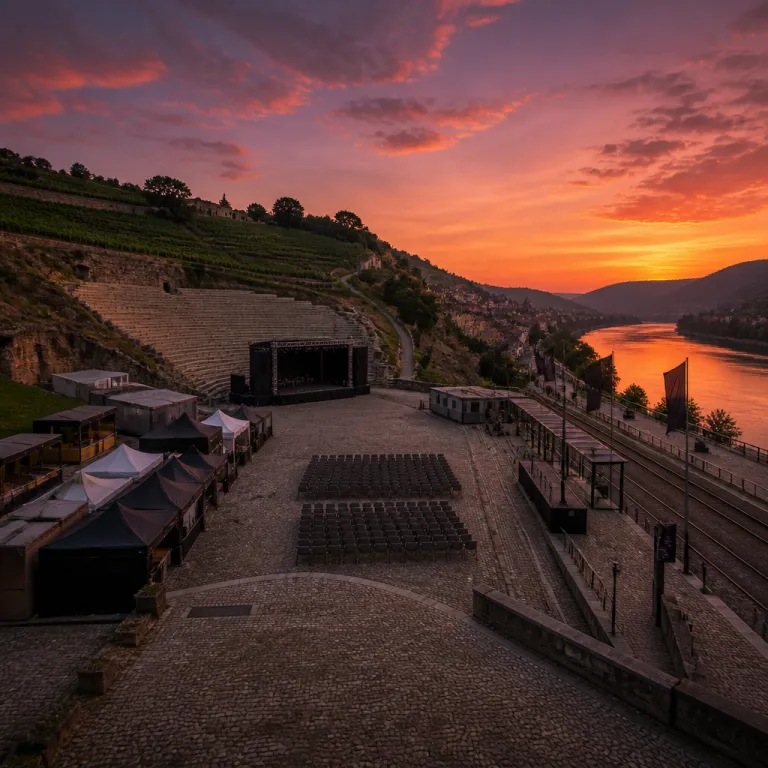
At the physical level, destinations need adaptable venues that can host cultural festivals, sports events, and business conferences without constant rebuilds. Medium sized cities often benefit from a modular arena, a flexible waterfront space, and a historic core that can be pedestrianised during events, which together create a portfolio of stages for different tourism event formats. Transport infrastructure must match this ambition, with late night public transit, regional rail links, and airport connectivity that align with event planning and visitor flows.
Soft infrastructure matters just as much as concrete and steel. Professional event management capabilities, safety protocols, and resident communication plans are essential to keep events tourism aligned with community expectations and visitor management goals, especially when events spill into residential neighbourhoods. Climate pressure adds another layer, as shown in Region Travel’s analysis of how climate is reshaping shoulder season demand, which suggests that destinations will need indoor venues and shaded public spaces to keep outdoor events viable as temperatures shift.
Festival tourism, sports events, and cultural programming as distinct economic engines
Not all events are equal in their impact on tourism and the wider economy. Festival tourism, sports events, and year round cultural programming each bring different visitor profiles, spending patterns, and operational demands, which should shape every destination marketing strategy. For DMOs and hotel groups, understanding these differences is essential to building a balanced portfolio of events that supports both occupancy and resident quality of life.
Festival tourism typically drives high intensity, short duration peaks in visitors, with strong F&B and nightlife spend but heavy pressure on transport and waste management. Sports events, from city marathons to the Olympic Games, often attract international travelers who stay longer, travel with companions, and generate significant media exposure that can reinforce the destination brand for years. Cultural programming such as museum nights, theatre seasons, and local food markets tends to attract repeat local visitors and regional travelers, smoothing occupancy and supporting local businesses in shoulder periods.
For regional tourism boards, the optimal mix depends on infrastructure, community appetite, and long term positioning. A coastal destination might lean on sports events and outdoor festivals to extend the season, while an inland city with strong creative industries could focus on cultural programming that highlights local content and unique experiences. As one dataset summary puts it with clarity for DMOs and elected officials : “They attract visitors, boost the economy, and showcase culture.”
Seasonality, risk, and ROI in event tourism destination marketing
Seasonality is where events tourism proves its value most clearly for destination management. By programming events in shoulder and traditionally low demand months, DMOs can reduce dependence on weather driven travel and create more stable revenue for hotels, restaurants, and cultural venues. This is especially relevant as climate volatility reshapes traditional high seasons and forces tourism marketing teams to rethink when and how they stimulate demand.
However, an event led model also concentrates risk if a destination relies too heavily on a single flagship festival or sports event. When a major tourism event is cancelled or relocated, the impact on occupancy, airlift, and local businesses can be severe, which is why resilient destination marketing strategies spread risk across a diversified calendar of events and cultural programming. The most advanced DMOs now treat event portfolios like investment funds, balancing high profile events with smaller, community anchored experiences that still attract visitors but are less exposed to global shocks.
Measuring ROI in this context requires going far beyond attendance numbers or social media reach. Offices de tourisme and regional agencies should track accommodation revenue, F&B spend, repeat visit rates, and resident sentiment to understand whether event tourism is strengthening or eroding the destination brand over the long term. Region Travel has explored how co creation processes can dilute positioning in its analysis of the co creation trap in place branding, and the same warning applies to event portfolios that try to please every stakeholder without a clear strategic spine.
FAQ
Why are festivals important for tourism in regional destinations ?
Festivals are important for tourism because they create fixed reasons to travel, concentrate spending in local businesses, and showcase the culture that differentiates one destination from another. They attract visitors, boost the economy, and showcase culture. For regional DMOs, a well programmed festival can anchor event tourism destination marketing for many years.
How do festivals and events impact local communities and residents ?
Festivals and events impact local communities by generating jobs, supporting creative industries, and strengthening community pride when residents see their culture valued by visitors. They also create pressure on public space, housing, and mobility, which requires careful visitor management and transparent communication from tourism boards and local governments. When managed well, events tourism can fund infrastructure that residents use year round, from upgraded parks to better transport.
What are examples of successful festival destinations that built strong brands ?
Several destinations have built powerful brands around festivals and events rather than landscapes alone. Edinburgh has turned its festivals into a year round cultural engine, Rio de Janeiro uses Carnival as a global symbol that supports tourism marketing, and New Orleans leverages music and food events to sustain demand beyond peak periods. These case study examples show how event tourism destination marketing can reposition a city in the global tourism industry.
How should DMOs measure ROI from event tourism investments ?
DMOs should measure ROI from event tourism by tracking not only ticket sales but also accommodation revenue, F&B spend, transport usage, and repeat visit rates. Surveys and event management software can capture visitor origin, satisfaction, and intent to return, which helps refine future marketing strategies. Long term indicators such as resident sentiment and business investment around event districts are equally important for assessing whether events strengthen the destination brand.
What role does digital marketing play in promoting tourism events ?
Digital marketing and social media allow DMOs to reach niche audiences for specific events with tailored content and precise timing. Campaigns can target potential tourists in key source markets such as the United States or South Africa, using data from previous events to optimise messaging and channels. Virtual participation tools and live streaming also extend the reach of a tourism event beyond physical visitors, reinforcing the destination marketing narrative globally.