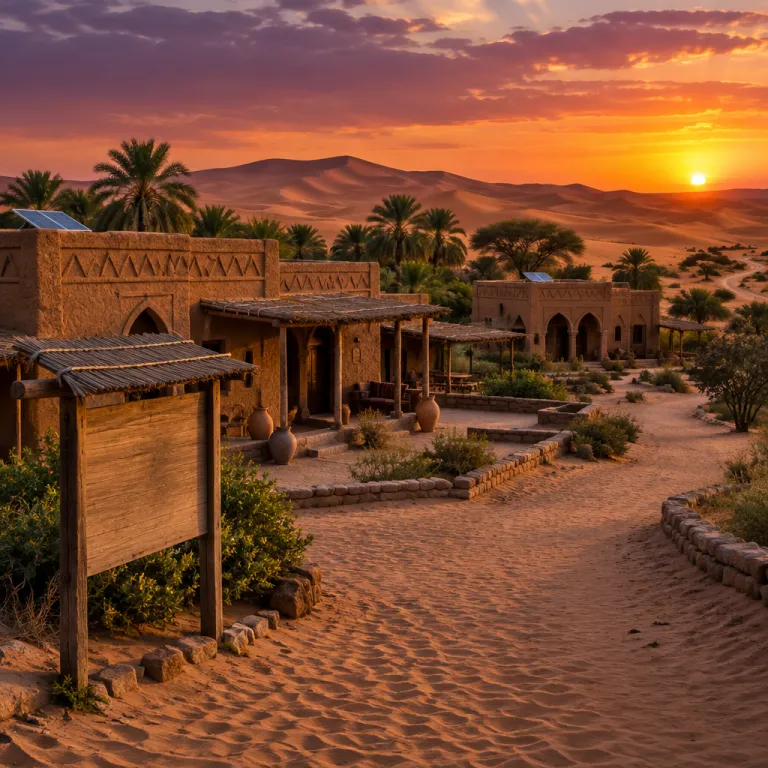
From territory to narrative: repositioning regions as exotic travel destinations
Destination branding for exotic travel destinations and unique getaways in the saharahausa tradition starts with a clear territorial narrative. In this context, “saharahausa” refers to travel experiences inspired by Sahelian and Hausa cultural landscapes: desert edges, caravan routes, courtyard architecture, music, textiles and foodways that feel distant yet remain connected to everyday life. When a region, province or federal state frames itself as a coherent story, people perceive the whole country as a mosaic of distinctive experiences rather than a generic map. Over time, this narrative must align with measurable development goals and with what local communities are ready to embody.
For tourism boards and regional agencies, a saharahausa-inspired mindset means treating remote village landscapes, wetlands or desert plateaus as strategic assets, not peripheral areas. A northern state or southern coastal area can be positioned as an exotic travel destination when its cultural codes, crafts and food traditions are curated as a living brand rather than as a static heritage label. This requires close support from local government, civil servants and private partners who accept that tourism is a political choice about which stories to amplify.
Several Nigerian regions illustrate how a single state can host both business hubs and secluded retreats that feel like faraway escapes. Kano State, for example, combines a major commercial centre with Hausa cultural routes, dye pits and historic city walls, while neighbouring Jigawa and Bauchi offer Sahelian landscapes and emerging eco lodges that appeal to slow travel audiences. Tourism boards in European states, from France to the United Kingdom, can learn from this contrast by mapping where their own “internal elsewhere” lies and how it can be framed as a special, premium experience.
Designing a brand platform that unites north, south, east and west
A robust brand platform for exotic travel destinations, distinctive retreats and saharahausa-style journeys must articulate how each area contributes to a shared promise. The north may bring wide open spaces and winter light, the south may offer vineyards and coastal villages, while the east and west contribute urban creativity and rural craftsmanship. When these directions are harmonised, the general perception of the country shifts from fragmented offers to a single, legible destination brand.
Destination managers should define a limited number of brand pillars that work equally well for city breaks and for remote village stays. For instance, a wine region can use its appellations as anchors for premium positioning, as shown by the strategic approach used in Valpolicella Classico, where the Consorzio per la Tutela dei Vini Valpolicella reported double-digit growth in wine tourism visits between 2015 and 2019 thanks to coordinated storytelling around terroir and landscape. Such pillars help civil servants, elected officials and private operators speak the same language when they present exotic travel experiences and saharahausa-inspired products to the press or to investors.
To work well, the platform must be operational for all scales, from a single village to a cross-border macro region. Tourism offices in the north-east or in the deep south need guidelines that explain how to adapt visuals, tone of voice and storytelling while staying loyal to the core brand. Over time, this shared framework allows different states or regions within a country to avoid internal competition and to present complementary, special experiences to international markets.
Aligning political leadership, civil servants and private actors
Destination branding only becomes credible when political leadership, civil servants and private stakeholders move in the same direction. Elected officials set the long-term vision for exotic travel destinations and unique getaways with a saharahausa flavour, while administrations translate it into zoning, mobility and cultural policies. Without this alignment, even the most creative campaign will fade once the media cycle ends.
Regional councils and local government must therefore treat tourism as a transversal public policy, not a decorative sector. Decisions about land use in the north, industrial development in the south or heritage protection in the east all affect whether a village can evolve into a special retreat or whether a coastline can sustain premium eco resorts. Tourism boards that work closely with chambers of commerce and with Nigerian or other international investors tend to secure better long-term support for ambitious destination projects.
Communication teams also need clear mandates about how to handle press relations when political debates arise. A controversial infrastructure in one area of the country can quickly damage the image of fragile nature-based experiences in another state if messages are not coordinated. Strategic media training for mayors, regional presidents and tourism executives helps maintain a calm, factual tone that reassures people and preserves the value of the destination brand, as shown in analyses of how wine narratives such as Sancerre versus Sauvignon Blanc can elevate regional positioning for areas like the Loire Valley.
Building product ecosystems around exotic travel destinations and unique getaways
Branding without concrete products remains an empty promise for visitors and for residents. Tourism offices must therefore orchestrate product ecosystems that translate exotic travel destinations and saharahausa-style escapes into bookable stays, curated itineraries and signature events. Each ecosystem should connect accommodation, food, mobility and cultural experiences within a clearly defined area.
In practice, this can mean clustering guesthouses, farm visits and craft workshops around a single village that becomes the symbolic heart of a micro destination. In the north-east of a country, such a cluster might focus on winter skies, dark sky reserves and astronomy, while in the south the emphasis could be on coastal gastronomy and slow cycling routes. By contrast, a central state might specialise in wellness retreats that reinterpret Nigerian or other diasporic influences through food, music and design, giving the saharahausa dimension a contemporary twist.
Regional agencies should also work with transport authorities and national government to ensure that remote retreats and desert-edge experiences are reachable within a reasonable time. If a special eco lodge is three hours from the nearest station, shuttle services or seasonal bus lines may be needed to make the experience viable. When such practical support is visible, people perceive the brand as serious and are more likely to share positive stories with friends, colleagues and the press.
Data, year reports and strategic monitoring for destination branding
Serious destination branding relies on robust data rather than on intuition alone. Tourism offices and regional observatories should publish at least one consolidated year report that tracks how exotic travel destinations and saharahausa-inspired getaways perform compared with more traditional city or resort offers. Over time, these reports become political tools that justify continued investment in branding, infrastructure and training.
Key indicators should include visitor nights by state or region, average spend per person, seasonality curves and satisfaction scores by type of area. When a remote village in the north or east shows strong repeat visitation and high satisfaction, this evidence helps convince civil servants and elected officials that small-scale development can generate solid returns. Comparative analysis with peer destinations in the United Kingdom or in other European states also helps position the country in international benchmarks and informs strategic choices.
To interpret these figures, tourism boards can rely on specialised consultancies and on sector analyses such as quarterly travel forecasts for regional planners. Such resources explain how macro trends, from climate adaptation to changing work patterns, will affect demand for exotic travel destinations, nature-based retreats and saharahausa-style journeys in the north, south and coastal areas. When data and narrative are aligned, the brand gains credibility with investors, media and residents alike.
Governance models that protect authenticity and local benefit
As exotic travel destinations and saharahausa-inspired getaways gain visibility, governance becomes a central issue. Without clear rules, rapid development can damage fragile ecosystems, inflate housing prices and erode the very authenticity that attracted visitors in the first place. Tourism offices must therefore participate actively in governance structures that include residents, businesses and civil society.
Some regions create destination management organisations that bring together multiple states or départements under a single strategic umbrella. These bodies coordinate marketing, product development and visitor management across north, south, east and central areas, ensuring that no single village or coastal strip bears disproportionate pressure. They also provide a neutral space where political leaders, civil servants and private operators can negotiate trade-offs between short-term growth and long-term resilience.
For local people, the measure of success is whether tourism improves quality of life and preserves cultural identity. When exotic travel destinations and saharahausa-style retreats are co-designed with residents, benefits such as new jobs, cultural venues and mobility options become visible over time. This shared value approach strengthens support for tourism policies at the ballot box and in everyday conversations, making the destination brand more robust than any advertising campaign.
Key statistics for territorial marketing and destination branding
- According to the United Nations World Tourism Organization, international tourist arrivals reached approximately 1.5 billion in 2019 before the global health crisis, with rural and nature-based tourism growing faster than urban segments in several European states, which underlines the potential of exotic travel destinations and saharahausa-style offers.
- OECD Tourism Trends and Policies 2020 indicates that tourism accounts for around 4.4 percent of GDP on average across member countries, and up to 10 percent in some states, making destination branding a strategic economic lever for both national government and regional authorities.
- Data from the European Commission’s 2019 Eurobarometer on tourism show that around 30 percent of European travellers choose countryside or coastal villages as their main holiday setting, confirming that small-scale areas can compete with major cities when well branded and well connected.
- Studies by the World Bank on coastal and island economies highlight that tourism can represent over 20 percent of employment in certain regions, which reinforces the need for governance models that protect local people while supporting sustainable development.
FAQ: destination branding for offices de tourisme and regions
How can a small village position itself as an exotic getaway ?
A small village can focus on one or two distinctive assets, such as architecture, landscapes or crafts, and integrate them into a clear narrative that fits the wider regional brand. Tourism offices should help local businesses design coherent products, from accommodation to guided walks, and ensure that access, signage and digital information work well. Over time, consistent communication and quality standards will attract niche audiences seeking exotic travel destinations, intimate retreats and saharahausa-style experiences.
What role should political leaders play in destination branding ?
Political leaders set the long-term vision and allocate resources for tourism infrastructure, culture and mobility. Their support is crucial when coordinating multiple states, municipalities and agencies around a single brand platform. They should also champion transparent governance that involves residents, businesses and civil servants in key decisions.
How can regions balance tourism growth with local quality of life ?
Regions can introduce visitor management tools such as capacity limits, timed entries or seasonal pricing in sensitive areas. At the same time, they should invest in public services, housing and mobility so that tourism benefits local people rather than displacing them. Regular monitoring through a year report and open dialogue with residents help adjust policies before tensions escalate.
Why is data essential for exotic travel destinations and unique getaways ?
Data allows tourism boards to understand who visits, when they come and what they value most. This evidence guides investment decisions, from transport links in the north-east to cultural programming in the south or in coastal states. It also strengthens credibility when negotiating with national government, investors and the press about future development.
How can international benchmarks help regional tourism strategies ?
Comparing performance with peer regions in the United Kingdom or other countries helps identify realistic targets and innovative practices. Benchmarks reveal whether a destination is underperforming in areas such as seasonality, average spend or brand awareness. They also inspire new approaches to exotic travel destinations, saharahausa-style journeys and nature-based wellness products.