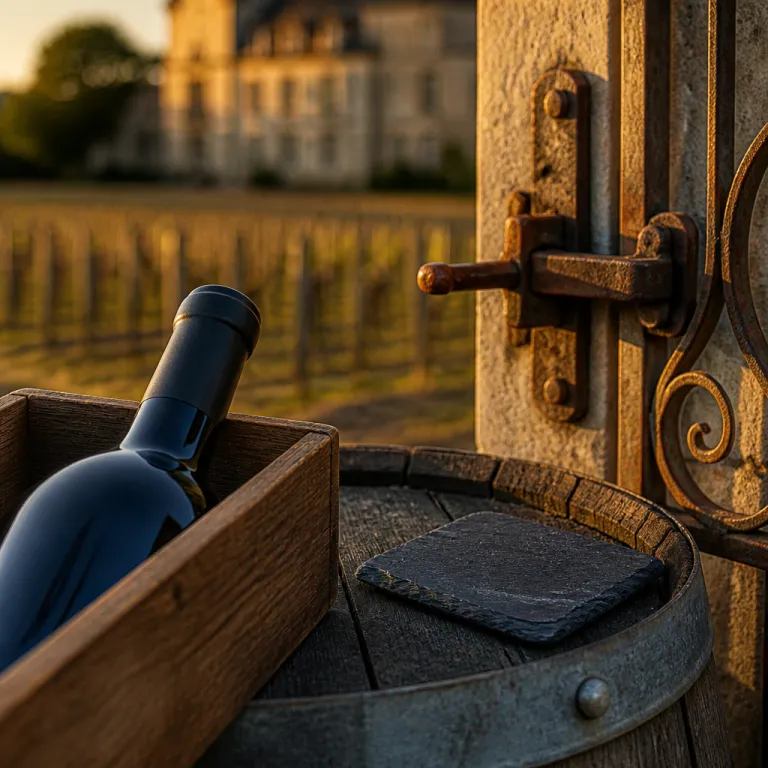
Turning Bordeaux first growths into flagship destination products
For tourism boards, the estates known as Bordeaux first growths offer more than prestigious wine labels. They provide a ready made framework for high value wine tourism product development that can reposition a destination in the global visitor economy. When a chateau experience is curated with care, one bottle of wine can become the narrative spine of an entire territorial strategy, from brand storytelling to concrete visitor flows.
The historic 1855 classification of Bordeaux wines, requested for the Paris Exposition under Napoléon III, still shapes visitor expectations today. That classification ranked the leading chateau estates as premier cru properties and created a clear hierarchy that tourism professionals can translate into tiered experiences, from entry level tastings to ultra premium grand vin immersions. Offices de tourisme and régions that understand this growth Bordeaux hierarchy can design products that feel both legible to international guests and deeply rooted in local culture, while also aligning with existing wine trade perceptions.
Each first growth estate functions as a powerful anchor for themed itineraries across the wider Bordeaux region. A route that links a Pauillac chateau such as Château Latour with urban tastings in Bordeaux city, and with heritage stays near Saint Émilion or Pessac Léognan, can extend average length of stay while distributing visitor flows. For local élus and private actors, this approach turns a single wine into a catalyst for accommodation, gastronomy, mobility and cultural programming; in practice, it can shift a typical one night stopover into a two or three night stay with higher per visitor spend.
Designing layered visitor journeys around each first growth estate
Each of the Bordeaux first growths carries a distinct identity that can inspire differentiated tourism products. Château Lafite Rothschild in Pauillac, Château Latour nearby, Château Margaux on the left bank, Château Haut Brion close to Bordeaux, and Château Mouton Rothschild together form a portfolio of brands with global recognition. For tourism agencies, the task is to translate these brands into layered experiences that serve both first time visitors and seasoned wine travellers, from concise introductory tours to in depth masterclasses.
At Château Lafite, the story of Lafite Rothschild and its role in the original classification can underpin expert led tours focused on investment grade wines and historical sale price trends. Around Château Latour, known for long lived wine styles, product designers can emphasise vertical tastings from different decades, paired with educational content about how each bottle was sold, stored and aged. Château Margaux lends itself naturally to more sensorial experiences, where visitors explore the architecture of the Margaux chateau, the surrounding gardens and the aromatic profile of the grand vin in a single curated circuit that appeals to both wine lovers and design enthusiasts.
Château Haut Brion, the only first growth from Graves and now within Pessac Léognan, offers a bridge between urban Bordeaux and vineyard landscapes. Here, offices de tourisme can combine city heritage walks with visits to the chateau Haut Brion cellars, positioning the estate as a gateway between business tourism and leisure stays. For Château Mouton Rothschild, with its famous art labels and on site museum, tourism boards can design cultural products similar to high end wedding venue strategies described for the South of France in this analysis of how tourism boards can elevate strategic destination products; this allows art, design and wine to merge into a single high yield offer that can be priced as a half day or full day premium experience.
From iconic chateaux to territorial wine routes and clusters
Working only with individual Bordeaux first growths risks concentrating benefits in a few enclaves. A more ambitious approach links each first growth chateau to surrounding appellations, villages and landscapes, creating clusters where multiple actors share value. This is where offices de tourisme and collectivités can play a coordinating role, ensuring that wine tourism growth supports broader regional development and avoids over reliance on a handful of flagship estates.
In Pauillac, for example, a route that starts at a Pauillac chateau such as Château Mouton or Château Latour can extend south toward other Bordeaux Pauillac estates and north toward coastal experiences. Along the way, visitors might stop in small ports, stay in rural guesthouses and taste wines chateau by chateau, from classified growths to more accessible cuvées. Around Saint Émilion and the wider Saint Emilion and Pomerol area, first growth narratives can be woven into stories about monastic heritage, underground cellars and village life, even though the official first growths sit mainly on the left bank, creating a balanced left bank–right bank storyline.
Destinations can also draw inspiration from models where a single historic property anchors a wider high value ecosystem, as seen in this case study on how a château in Provence can structure tourism product development. Applying similar thinking in Bordeaux means using Château Lafite, Château Margaux or Château Haut Brion as gateways into lesser known terroirs, including Pessac Léognan, smaller Margaux chateau properties and family run estates. The goal is to ensure that when a grand vin is poured, the story told includes local artisans, guides, restaurateurs and cultural venues across the territory, not just the most famous labels.
Integrating pricing, sales narratives and visitor expectations
For many visitors, the first contact with Bordeaux first growths happens through the language of price. They read about record sale price levels at auction, iconic bottles sold for impressive sums and the investment status of certain wines. Tourism professionals must therefore integrate the economic reality of these wines into product design without alienating guests who will never purchase a full bottle of a premier cru, while still meeting the expectations of collectors and high net worth travellers.
One effective strategy is to separate the symbolic value of a first growth from the transactional moment of sale. A guided tasting might include a small pour of a Château Lafite or Château Margaux grand vin alongside more accessible wines from nearby appellations, with clear explanations of why the first growth commands a different sale price. Storytelling can highlight how historical sales data and reputation shaped the 1855 classification, while also showing how contemporary estates in Saint Émilion or Pessac Léognan are building their own reputations today through enotourism, sustainable viticulture and targeted export strategies.
Offices de tourisme can also work with chateau teams to create transparent pricing ladders that manage expectations before visitors arrive. Clear communication about what is included in a premium visit at Château Mouton Rothschild or Château Latour, compared with a shorter tour at a neighbouring property, reduces friction at the point of sale. When guests understand the link between terroir, craftsmanship, ageing potential and final sale price, they are more likely to perceive value in both first growths and other quality Bordeaux wines, and to accept differentiated tariffs for tastings, masterclasses and private events.
Building complementary products beyond the cellar door
Wine alone rarely sustains a destination strategy, even when it involves Bordeaux first growths. To maximise impact, tourism boards should orchestrate complementary products that extend the experience before and after the chateau visit. This includes gastronomy, culture, soft mobility and even real estate driven stays that encourage longer visits and repeat trips across different seasons.
Gastronomic partnerships can pair grand vin tastings with menus built around local produce, where each course highlights a different style of Bordeaux wine. A Château Haut Brion pairing dinner in the city might be followed by a rural lunch near Margaux, where visitors compare how wines from a Margaux chateau interact with regional dishes. In Pauillac, a riverside bistro could feature flights of wines chateau by chateau, allowing guests to taste differences between Château Lafite, Château Mouton and other Pauillac chateau estates in a relaxed setting, with clear tasting notes and suggested food pairings.
Longer term, destinations can explore how real estate and accommodation projects support tourism growth, as illustrated by analyses of how property investment can power long term tourism growth in coastal regions. In the Bordeaux context, this might mean converting historic buildings into boutique hotels themed around the 1855 classification, or creating cycling friendly lodgings that link Pessac Léognan, Margaux and Pauillac. By embedding the story of first growths into architecture, interior design and service rituals, regions ensure that the narrative continues well beyond the tasting room and becomes part of the everyday visitor experience.
Governance, partnerships and data for sustainable wine tourism growth
Transforming Bordeaux first growths into structured tourism products requires robust governance. Offices de tourisme, agences de développement, élus and private stakeholders must align on shared objectives that balance prestige, accessibility and environmental responsibility. Without this alignment, isolated initiatives risk over tourism at iconic estates while leaving surrounding communities under served, or failing to capture the full economic potential of high value visitors.
Destination managers should formalise partnerships with the major first growth estates, including Château Lafite Rothschild, Château Latour, Château Margaux, Château Haut Brion and Château Mouton Rothschild. These partnerships can define visitor capacity thresholds, preferred mobility options, and quality standards for guides presenting the history of the classification and the notion of premier cru. Data sharing agreements can help track visitor flows, average spend per sale, and the proportion of guests who extend their stay to visit Saint Émilion, Pessac Léognan or other parts of the Bordeaux region, providing an evidence base for future investment decisions.
Strategic use of data also supports narrative coherence across channels, from CRM campaigns to on site interpretation. When a visitor books a tour that includes a bottle tasting at a first growth, the destination can anticipate interest in related experiences such as architecture tours at Margaux chateau properties or vineyard walks near Pauillac. As one expert summary puts it, "What are Bordeaux First Growths?" and "How many First Growths are there?" sit at the heart of visitor curiosity, and clear answers to these questions should underpin every layer of product design, from brochure copy to guide training.
Key figures shaping Bordeaux first growth tourism products
- The original 1855 Bordeaux classification recognised four first growth estates, a compact group that still concentrates global attention and allows destinations to design highly focused premium itineraries based on a small number of chateaux.
- Château Mouton Rothschild was elevated to first growth status in 1973, demonstrating that the classification, while stable, can evolve and offering a narrative hook for explaining how reputation and historical sale data influence long term positioning.
- The Bordeaux region around the city of Bordeaux sits in the Gironde department in south western France, giving tourism boards a dense cluster of appellations within roughly an hour’s drive that can be linked to first growth visits in a single multi day itinerary.
- Global demand for first growth wines has increased steadily over recent decades, with limited production volumes per chateau driving higher average sale price levels and reinforcing the perception of these wines as luxury products among international visitors.
- Because first growth bottles are often sold through allocation or specialist merchants, many visitors will never purchase a full bottle, which makes on site tastings and by the glass offerings a critical access point for experiencing these wines within tourism products.
FAQ about Bordeaux first growths and tourism development
What are Bordeaux first growths in the context of tourism ?
Bordeaux first growths are a small group of chateau estates originally ranked at the top of the 1855 Bordeaux classification, and they function as powerful anchors for high end wine tourism products. For destinations, they provide globally recognised brands that can attract affluent visitors and justify premium experiences. Their prestige allows offices de tourisme to build itineraries that combine cellar visits, gastronomy and culture around a clear narrative that is easy to communicate in international markets.
How many first growth estates can be integrated into visitor routes ?
There are five first growth estates that tourism boards typically integrate into Bordeaux itineraries. Four were part of the original classification and one, Château Mouton Rothschild, was elevated later, which itself becomes a compelling story for guided tours. Because these estates are geographically concentrated, they can be combined efficiently with visits to nearby appellations such as Pauillac, Margaux and Pessac Léognan, often within a single well planned day.
Why was the 1855 classification created and why does it matter now ?
The 1855 classification was created at the request of Napoléon III to showcase Bordeaux’s best wines at a major Paris exposition, using historical sale prices and reputation as key criteria. For tourism professionals today, this history provides a ready made interpretive framework that explains why certain wines are positioned as grand vin icons. It also helps visitors understand the link between economic value, cultural heritage and landscape management, and why some estates attract waiting lists while others focus on more accessible experiences.
How can smaller destinations benefit from the fame of first growths ?
Smaller destinations can design complementary products that connect to the story of first growths without competing directly with them. This might involve offering more accessible tastings of quality Bordeaux wines, hosting educational workshops about terroir, or creating cycling routes that link famous chateaux with lesser known villages. By positioning themselves as part of the broader ecosystem around first growths, these areas can capture spillover demand and extend visitor stays, especially among curious travellers who have already visited the flagship estates.
What practical steps should offices de tourisme take to work with first growth estates ?
Offices de tourisme should start by establishing formal partnerships with estate teams to clarify capacity, booking procedures and shared storytelling priorities. They can then integrate first growth visits into themed routes that also highlight local culture, accommodation and gastronomy, ensuring that benefits spread across the territory. Regular data sharing and joint marketing campaigns will help refine these products over time and maintain a balance between exclusivity and accessibility, while also providing evidence for future infrastructure and mobility investments.