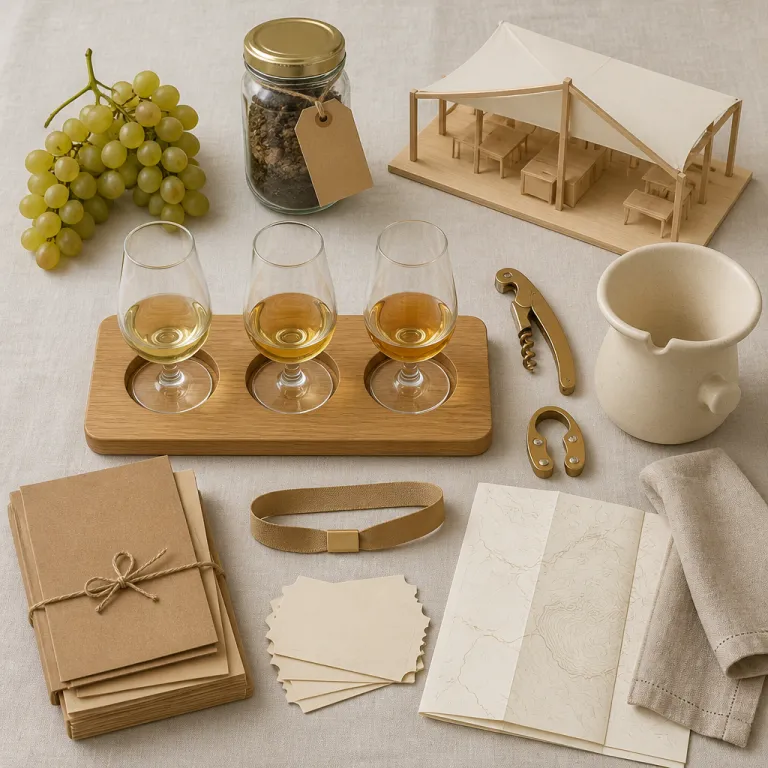
La Viña Winery Anthony New Mexico wine festival 2026 as a tourism blueprint
Note: All figures on wine varieties, vendor numbers, and VIP inclusions are based on information provided by La Viña Winery and festival communications as of 2024 and should be treated as indicative rather than audited statistics.
Positioning La Viña wine festival as a strategic anchor product
La Viña wine festival 2026 offers a concrete blueprint for tourism product development around wine culture and rural experiences. For destination marketing organizations and regional tourism agencies, this wine festival in Anthony, New Mexico, shows how a single winery event can structure a wider destination narrative around wines, local food, live music, and agricultural landscapes. When a wine festival becomes a flagship product, it can pull private actors and public authorities into a shared strategy that aligns infrastructure, marketing, and visitor services around one recognisable festival brand.
At La Viña Winery, the annual wine festival is not just an isolated event; it is a curated sequence of events in spring and harvest that shapes the tourism calendar and supports daily visitation to the winery. The spring wine focus in the festival April edition and the later harvest celebration create two strong seasonal peaks, which tourism boards can use to balance flows, extend stays, and promote off-peak experiences in nearby towns across New Mexico. This dual structure allows Anthony and the surrounding region to position wine, food trucks, and live music as recurring reasons to visit, rather than as a one-off attraction that disappears after a single weekend.
For destination managers, the way La Viña Winery integrates wine tastings, food pairings, and music into a coherent wine festival product illustrates how to design experience tickets that feel premium yet accessible. Standard admission with a souvenir glass and a set number of tastings can coexist with a clearly differentiated VIP experience, including a dedicated VIP area and a full glass service, which raises average spend without excluding price-sensitive visitors. By treating each visit to the festival as a modular experience, tourism offices can encourage partners to create layered offers that combine winery tours, cultural events, and outdoor activities across Anthony and southern New Mexico.
Designing layered experiences: from general admission to VIP
The most instructive aspect of La Viña wine festival 2026 for tourism developers is the careful segmentation between general admission and VIP products. Standard tickets include a souvenir glass and a defined number of wine tastings, which gives visitors a clear value proposition and simplifies communication for tourism offices and travel agencies. On top of this base, the VIP experience adds exclusive seating, VIP parking, and extended tastings, turning a simple visit into a higher-yield experience VIP product that can be marketed to high-spending guests and corporate groups.
For regional planners, this layered design shows how to structure wine events so that experience tickets can be sold through multiple channels, from online presales to on-site ticketing and partner packages. When tickets include tangible elements such as a full glass of New Mexico wine from La Viña Winery, access to a shaded VIP area, or curated food pairings from local food trucks, the perceived value rises and the destination brand gains depth. This approach mirrors high-value wine tourism strategies seen in European regions, where a flagship winery or château anchors premium offers, as analysed in this article on Loire Valley white wine as a driver of high value tourism product development.
For tourism offices, the lesson is clear: do not treat VIP as a simple upsell, but as a distinct tourism product that can attract new segments and justify higher prices. In Anthony, the VIP zone at the festival becomes a space where local decision makers, private investors, and high-spending visitors can share event experiences and discuss future projects over wines and food. By formalising this VIP area as a networking hub, regional agencies can turn a leisure event into a platform for tourism development, while still maintaining a welcoming atmosphere for families in the general admission spaces and ensuring that the overall festival remains accessible.
Integrating La Viña Winery into a wider territorial narrative
La Viña Winery is more than the organiser of La Viña wine festival 2026; it is a territorial anchor that embodies the local wine culture of Anthony and southern New Mexico. For regional governments and elected officials, this winery offers a tangible focal point around which to build thematic routes, from wine and food itineraries to cross-border cultural circuits linking Mexico and the USA. When a single winery hosts multiple events across the year, including a spring wine celebration and a harvest festival, it becomes easier to structure coherent storytelling for visitors and to promote repeat visits.
Tourism boards can position the festival Vina brand as a gateway to the broader region, encouraging visitors who attend the event Vina weekend to extend their stay beyond the festival dates. A visit to the wine festival can be combined with daily excursions to nearby pueblos, agricultural experiences, or heritage sites, creating a portfolio of events and activities that share a common narrative thread. This strategy echoes how heritage sites in Europe, such as the château highlighted in this analysis of high value tourism product development in Provence, serve as anchors for regional tourism ecosystems and help destinations differentiate themselves.
For private actors, the consistent rhythm of events at La Viña Winery reduces risk and encourages investment in complementary services such as accommodation, transport, and gastronomy. When live music, curated food trucks, and structured wine tastings are guaranteed at each festival, local businesses can plan staffing and stock with confidence and share event calendars with their own audiences. Tourism offices can then package these elements into themed stays, where tickets include not only festival admission and a souvenir glass, but also guided tours, shuttle services, and cross-promotion with other events in Anthony and across New Mexico, turning a single weekend into a multi-day itinerary.
Operational excellence: managing flows, services, and regulations
La Viña wine festival 2026 also offers practical lessons in operational management that are highly relevant for tourism offices and regional agencies. Clear rules such as no outside food or alcohol and no pets allowed simplify security, protect vendors, and ensure a consistent visitor experience across all events. For public authorities, these guidelines illustrate how to balance safety, commercial interests, and visitor comfort without overcomplicating admission procedures or creating confusion about what is and is not included in the festival offer.
The festival operates over two days with a defined time window from noon to early evening, which allows organisers to manage daily flows and coordinate with transport and accommodation providers. With around 20 varieties of wines and approximately 60 vendors on site, the logistics of glass distribution, waste management, and crowd circulation become central to the quality of each visit. Tourism offices can support this by providing wayfinding information, promoting staggered arrival times through communication campaigns, and aligning shuttle services with peak periods of live music and headline events so that visitors can move easily between the winery and nearby towns.
For regional planners, the operational model of La Viña Winery highlights the importance of clear communication about tickets, admission conditions, and what tickets include. When visitors know in advance that their experience tickets cover a souvenir glass, a set number of tastings, and access to live music, they are less likely to feel the need for free extras or to attempt to bring their own food. This transparency builds trust, reduces friction at the gate, and allows staff to focus on service quality in both the general areas and the VIP area, where the VIP experience requires even more precise coordination of seating, parking, and premium services.
Marketing, segmentation, and digital amplification
From a marketing perspective, La Viña wine festival 2026 demonstrates how a regional event can reach national and cross-border audiences when messaging is clear and segmented. Tourism offices can position the wine festival as a flagship event for Anthony and New Mexico, while also targeting niche segments such as wine enthusiasts, food lovers, and live music fans. By highlighting the combination of wines, food trucks, and curated music programming, destinations can appeal simultaneously to cultural tourists and younger audiences seeking social experiences that they can share online.
Digital campaigns should emphasise the different product tiers, from general admission with a souvenir glass to the more exclusive VIP experience VIP packages. Social media content can encourage visitors to share event moments, from their first full glass of New Mexico wine to behind-the-scenes glimpses of the VIP area, creating user-generated content that reinforces the festival Vina brand. For secondary destinations looking to position themselves in the shoulder season, the timing of the spring wine edition and the harvest festival can be linked to broader discussions on biometric borders and new travel patterns, as explored in this analysis of shoulder season opportunities for secondary destinations.
For regional agencies and private partners, coordinated storytelling around La Viña Winery and its events can extend beyond the festival dates. Content that profiles local winemakers, explains the terroir of southern New Mexico, or showcases food pairings with regional products can run daily across the year, keeping the destination visible between events and reminding potential visitors to plan a future visit. Tourism offices can also work with tour operators to create themed packages where tickets include not only festival access but also curated visits to other wineries, cultural sites, and cross-border experiences that share the same narrative of conviviality, quality, and a relaxed, rural atmosphere.
Governance, partnerships, and long term regional impact
The governance model behind La Viña wine festival 2026 offers valuable insights for elected officials, regional planners, and private stakeholders seeking to build resilient tourism products. La Viña Winery acts as the organiser and operational backbone, while partners such as local food vendors and breweries contribute to the diversity of the offer. For tourism offices and development agencies, this configuration shows how a strong private actor can lead, provided that public institutions support infrastructure, promotion, and regulatory clarity so that the event can grow sustainably.
The festival’s stated goals are to promote local wines, attract tourism, and support local businesses, which aligns closely with regional development objectives. By concentrating events at a single winery in Anthony, the destination can measure impacts more easily, from increased sales of wines to higher occupancy in nearby accommodation. Over time, the repetition of spring and harvest events creates a stable framework that encourages investment in better access roads, signage, and visitor services, amplifying the long term benefits for the wider New Mexico region and giving stakeholders confidence to plan ahead.
For decision makers, the structured VIP experience at La Viña Winery also has a strategic dimension beyond revenue. The VIP area can host delegations, investors, and media, turning a leisure event into a soft power tool for the territory, while general admission remains accessible and family friendly. As the organisers explain when asked about premium services, “VIP includes 20 wine tastings, craft beer, food pairings, VIP parking, exclusive seating, and more.” This level of clarity and ambition in product design should inspire tourism offices and regional agencies to treat wine festivals not as isolated celebrations, but as core components of their tourism development and infrastructure strategies.
Key figures and performance indicators for La Viña wine festival
- La Viña wine festival currently runs over 2 days per edition, which allows tourism boards to concentrate promotion and logistics while still offering enough time slots for visitors who travel from other parts of New Mexico or neighbouring states.
- The organisers indicate that around 20 different wine varieties are available during each festival, giving tourism offices a strong argument to position the event as a comprehensive introduction to local wines rather than a niche tasting.
- Approximately 60 vendors operate on site during the festival, including food trucks and craft producers, which significantly increases the economic impact on local businesses and justifies public support for infrastructure and services.
- The festival schedule typically runs from noon to early evening, creating a 7 hour daily window that aligns well with regional transport timetables and allows visitors to combine the event with morning or late evening activities elsewhere in the territory.
- With both a spring wine edition and a harvest festival in the annual timeline, La Viña Winery provides at least two major anchor events per year, helping destinations to smooth seasonality and maintain visibility across multiple tourism seasons.
FAQ about La Viña wine festival and regional tourism development
What is included in the VIP experience at La Viña wine festival ?
The organisers specify that “VIP includes 20 wine tastings, craft beer, food pairings, VIP parking, exclusive seating, and more.” For tourism offices, this clear definition helps position the VIP experience as a premium tourism product that can be integrated into high-end packages. It also sets expectations for service standards in the VIP area, from seating comfort to staff training and the way wines and food are presented.
Are children and families welcome at the festival ?
Children are allowed at La Viña wine festival, which makes the event suitable for family-oriented tourism products and regional campaigns targeting multi-generational travel. However, the VIP area is reserved for adults, so tourism offices should communicate this distinction clearly when promoting experience tickets. Family visitors can still enjoy live music, food trucks, and non-alcoholic options in the general admission zones, where the atmosphere remains relaxed and inclusive.
Can visitors bring their own food or pets to the festival ?
Outside food or alcohol is not permitted at La Viña wine festival, and pets are not allowed on site. These rules protect the business model of food vendors and ensure better control over safety and hygiene, which is important for public authorities and insurers. Tourism offices should relay this information in all communication to avoid frustration at the gate and to highlight the quality and diversity of on-site food options that are available for purchase throughout the day.
How can regional tourism boards integrate the festival into wider itineraries ?
Tourism offices can build itineraries that combine a visit to La Viña Winery during the festival with nearby cultural sites, outdoor activities, and cross-border experiences in the wider New Mexico region. By packaging tickets that include festival admission, a souvenir glass, and guided excursions, destinations can increase length of stay and average spend. Coordination with local transport providers and accommodation partners is essential to maximise the impact and to ensure that visitors can move easily between the winery, Anthony, and surrounding communities.
Why is La Viña wine festival considered a model for tourism product development ?
The festival is a model because it combines a strong sense of place, clear product segmentation between general admission and VIP, and a robust partnership ecosystem involving wineries, food vendors, and cultural actors. Its dual calendar of spring wine and harvest events provides multiple anchor points for marketing and infrastructure planning. For regional agencies and elected officials, this makes La Viña Winery a practical case study in how a single event can drive long term tourism development, support local businesses, and showcase the identity of Anthony and southern New Mexico.