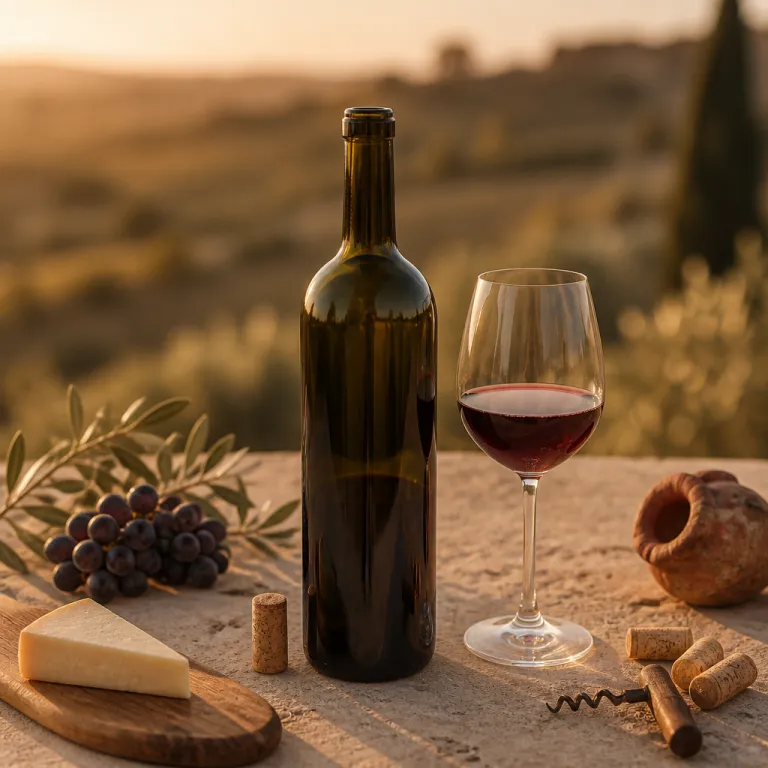
Positioning Montepulciano d’Abruzzo wine as a strategic regional tourism asset
For a destination, treating Montepulciano d’Abruzzo wine as a core tourism product rather than a simple tasting experience changes everything. This Italian red wine from the Abruzzo region becomes a unifying narrative that links vineyards, villages, landscapes, and hospitality businesses into one coherent offer. When tourism boards frame the Montepulciano d’Abruzzo story around terroir, people, and culture, they create a powerful lever for both image and revenue.
The Abruzzo region already benefits from a clear identity built around mountains, the Adriatic coast, and traditional food, yet the full potential of Montepulciano-based wines as a flagship product is still underused in many tourism strategies. Annual production of Montepulciano d’Abruzzo wine reaches around 857,500 hectoliters across roughly 8,718 hectares of vineyards, according to the Consorzio Tutela Vini d’Abruzzo (2022), which gives tourism authorities a critical mass of wine experiences to structure into themed routes and seasonal campaigns. Based on average estate sizes, this surface translates into several hundred visitable wineries and cooperatives, enough to support multiple circuits with staggered capacities of 20–40 visitors per time slot. Offices de tourisme and regional agencies can position this Italian wine as the “red thread” that connects accommodation, events, and mobility offers across the entire Abruzzo region.
To do this credibly, destination managers must understand the product in depth, from the Montepulciano grape variety to the DOC regulations and the typical fruit-forward profile of these red wines. Montepulciano d’Abruzzo is an Italian red wine from Abruzzo made primarily from Montepulciano grapes, regulated under Denominazione di Origine Controllata rules established in 1968. What is Montepulciano d’Abruzzo? How does it differ from Vino Nobile di Montepulciano? What are typical flavors of Montepulciano d’Abruzzo? Is Montepulciano d’Abruzzo suitable for aging? What foods pair well with Montepulciano d’Abruzzo? Once teams can confidently explain the difference between a Montepulciano wine from Abruzzo and a Vino Nobile from Tuscany, they can guide visitors with authority and design more sophisticated Montepulciano-focused itineraries.
Designing premium wine tourism products around Montepulciano and price architecture
Building a robust tourism product around Montepulciano d’Abruzzo wine starts with mapping the existing value chain, from Montepulciano grape growers to winemakers in Abruzzo and local distributors. Offices de tourisme should work with these actors to identify a clear price ladder that runs from accessible tastings at regular price to high-end, small-group experiences with a premium sale price. This structured approach allows destinations to speak to both casual wine lovers and serious Italian wine collectors without diluting the regional brand.
In practice, a strong product portfolio might include entry-level visits to cooperative cellars that explain how grapes are harvested in September, fermented in autumn, and aged in oak barrels using traditional methods. Above that, curated tours could focus on single-estate Montepulciano d’Abruzzo wines, highlighting specific parcels, grape variety selections, and the nuances between standard Abruzzo DOC bottlings and more ambitious Abruzzo wine cuvées. At the top of the range, agencies can co-create private tastings comparing Montepulciano d’Abruzzo with Vino Nobile di Montepulciano, showing how Sangiovese-based Vino Nobile differs from the fruit-forward Montepulciano grape expression in Abruzzo.
For elected officials and development agencies, this price architecture is not only a commercial tool but also a planning instrument that guides investment in infrastructure and services. Benchmarking against other high-value wine destinations, such as the way Bordeaux first growths structure their tourism offers, can be extremely instructive; a detailed analysis is available in this article on how iconic châteaux anchor premium tourism products. By aligning the sale price of experiences with clear quality signals, from DOC status to vineyard location in the Abruzzo region, destinations can raise average spend while keeping entry points accessible for a broad audience.
From vineyard to village: integrating food, culture, and hospitality around Abruzzo wine
Montepulciano d’Abruzzo wine only reaches its full tourism potential when it is woven into a broader ecosystem of food, culture, and hospitality. Offices de tourisme can curate itineraries where visitors read the landscape through the lens of the Montepulciano grape, moving from hillside vineyards to medieval villages and coastal towns in a single day. Each stop becomes an opportunity to taste different wines, meet producers, and understand how this red wine shapes local life.
Gastronomy is the most natural bridge between wine and territory, and the best regional products should be mobilised to highlight the fruit flavors and structure of Montepulciano-based wines. Traditional dishes such as pasta with tomato-based sauces, lamb skewers, or eggplant-based recipes pair beautifully with the full yet approachable profile of this Italian red, especially when the wine shows ripe black cherry and plum notes. Tourism boards can work with restaurants and agriturismi to create fixed-price menus where each course is paired with a specific Abruzzo Montepulciano, clearly explaining whether the wine comes from a coastal area, a foothill site, or a higher-altitude vineyard in the Abruzzo region.
Hospitality infrastructure should echo this narrative, from boutique hotels that offer curated Montepulciano wine lists to rural guesthouses that organise harvest stays with Montepulciano grape growers. For destinations seeking to move from sustainable to regenerative tourism models, integrating vineyard visits, local food, and cultural events into longer stays is essential; a strategic framework for this shift is outlined in a dedicated piece on regenerative destination benchmarks. Inspiration can also be drawn from how some tourism boards elevate South of France wedding venues into strategic products, as analysed in this article on turning venues into destination anchors, which is highly relevant for positioning vineyards in Abruzzo as event locations.
Structuring Montepulciano d’Abruzzo wine routes and seasonal programming
To transform Montepulciano d’Abruzzo wine from a static attraction into a dynamic driver of visitation, destinations need clearly structured routes and a strong seasonal calendar. A well-designed wine route should link clusters of producers across the Abruzzo region, balancing famous estates such as Masciarelli or Valentini with smaller family-run cellars that offer more intimate experiences. Offices de tourisme can segment these routes by theme, such as coastal Abruzzo wine itineraries, mountain-facing Montepulciano d’Abruzzo circuits, or mixed routes that combine vineyards with natural parks.
Seasonality is a powerful asset rather than a constraint when it is handled strategically, especially for a product whose production cycle is so visible. During harvest in September, guided visits can focus on grapes in the vineyard, grape variety identification, and the first stages of vinification in fermentation tanks. In autumn and winter, programming can shift towards cellar tours that highlight traditional fermentation, aging in oak barrels, and comparative tastings of different DOC and Abruzzo DOC bottlings, including vertical tastings that show how fruit-forward red wines evolve over time.
Regional agencies should also consider thematic events that connect Montepulciano d’Abruzzo wine with other Italian wine regions, for example by organising tastings that compare Montepulciano-based wines with Sangiovese-based reds from Tuscany or with Vino Nobile di Montepulciano. These events help visitors read labels more confidently, understand the difference between Vino Nobile and Montepulciano d’Abruzzo references, and appreciate why the regular price of some cuvées is higher than others. By aligning event calendars with international travel patterns and local food festivals, destinations can smooth seasonality and increase both overnight stays and direct sales of Montepulciano wine bottles at an attractive sale price.
Governance, partnerships, and data for wine tourism development in Abruzzo
Effective tourism product development around Montepulciano d’Abruzzo wine depends on strong governance and carefully structured partnerships. The main actors include Montepulciano grape growers, winemakers in Abruzzo, local cooperatives, distributors, and the various levels of public authorities in the Abruzzo region. Offices de tourisme are ideally placed to convene these stakeholders and align them around shared objectives such as quality standards, visitor experience, and long-term brand positioning for Abruzzo wine.
Formalising a regional wine tourism charter can help clarify expectations on issues such as opening hours, tasting fees, information in multiple languages, and the presentation of price lists for both wines and experiences. This charter should also address how to communicate clearly about DOC status, grape variety composition, and the distinction between Montepulciano d’Abruzzo wine and other Italian wine styles like Vino Nobile di Montepulciano, which is based mainly on Sangiovese. Data collection is equally important, and tourism boards should track indicators such as the number of visitors to wineries, average spend per person on red wine purchases, and the share of guests who book combined food and wine experiences.
Partnerships with transport providers can facilitate access to more remote Montepulciano d’Abruzzo vineyards, while collaborations with hospitality schools can ensure a pipeline of qualified staff able to guide tastings and explain fruit flavors in professional yet accessible language. Development agencies may also support innovation projects that blend tradition and modernity, such as digital guides that allow visitors to read detailed information about each Montepulciano wine, its grapes, and its regular price or promotional sale price. When these governance tools are in place, the entire ecosystem becomes more resilient and better positioned to respond to growing international demand for authentic, fruit-forward red wines from Italy.
Marketing, storytelling, and international positioning of Montepulciano d’Abruzzo wine tourism
Marketing Montepulciano d’Abruzzo wine as a tourism product requires a narrative that is both precise and emotionally engaging. International visitors often confuse the town of Montepulciano in Tuscany with the Abruzzo region, or they mix up Montepulciano d’Abruzzo with Vino Nobile di Montepulciano, which is a Sangiovese-based wine. Clear messaging that explains these differences while celebrating the unique character of Abruzzo Montepulciano is essential for building trust and authority.
Destination campaigns should highlight the sensory profile of Montepulciano d’Abruzzo wine, emphasising its deep colour, medium body, and fruit-forward character with black cherry, blackberry, and plum fruit flavors. Visual storytelling can show grapes on the vine, harvest scenes, and the contrast between coastal vineyards and inland hills, always linking back to concrete experiences such as tastings, vineyard walks, and food pairings. Content aimed at trade partners and media should also underline the strong value for money of many Montepulciano wines, where the regular price remains accessible despite rising quality, especially when compared with other Italian red wines from more famous regions.
Digital tools offer powerful ways to guide potential visitors through the offer, from interactive maps of Abruzzo DOC areas to online booking platforms that show transparent sale price ranges for tastings and tours. Story-driven guides can invite users to read about specific producers, understand the role of Montepulciano grape growers, and plan itineraries that combine Montepulciano wine experiences with cultural visits and outdoor activities. By aligning all communication channels around a coherent identity for Abruzzo wine tourism, destinations can position Montepulciano d’Abruzzo wine as one of the best entry points into the wider world of Italian wine, while also driving tangible benefits for local communities and businesses.
Key figures for Montepulciano d’Abruzzo wine and tourism potential
- Annual production of Montepulciano d’Abruzzo wine is around 857,500 hectoliters according to data reported by the Consorzio Tutela Vini d’Abruzzo, which provides a substantial base for structured wine tourism offers across the Abruzzo region.
- The vineyard area dedicated to Montepulciano grapes in Abruzzo covers approximately 8,718 hectares, indicating a dense network of potential visitable estates and cooperatives for offices de tourisme to integrate into routes.
- Montepulciano d’Abruzzo is officially recognised as a DOC wine, which reassures visitors about quality standards and helps justify a clear price hierarchy between entry-level red wines and more ambitious cuvées.
- Typical flavor profiles of Montepulciano d’Abruzzo include black cherry, blackberry, and plum with moderate acidity and medium body, making the wine highly versatile for food pairings in local restaurants and agriturismi.
- Riserva versions of Montepulciano d’Abruzzo, which are aged for more than two years, offer destinations an opportunity to promote higher-value tastings and cellar experiences aimed at wine enthusiasts and collectors.
FAQ about Montepulciano d’Abruzzo wine and tourism development
What is Montepulciano d’Abruzzo and why is it important for tourism ?
Montepulciano d’Abruzzo is an Italian red wine from the Abruzzo region made primarily from the Montepulciano grape, and it is a cornerstone product that can structure themed routes, tastings, and events. For tourism boards, it offers a strong identity marker that links landscapes, villages, and gastronomy into a coherent visitor experience.
How does Montepulciano d’Abruzzo differ from Vino Nobile di Montepulciano ?
Montepulciano d’Abruzzo comes from Abruzzo and is based mainly on the Montepulciano grape, while Vino Nobile di Montepulciano is produced in Tuscany around the town of Montepulciano and relies primarily on Sangiovese. This distinction is crucial for tourism professionals who must explain clearly why these two red wines have different styles, regulations, and price points.
What are the typical flavors and style of Montepulciano d’Abruzzo ?
Typical Montepulciano d’Abruzzo wines show a deep red colour, medium body, and fruit-forward aromas of black cherry, blackberry, and plum with moderate acidity. This profile makes them accessible for a wide audience and highly adaptable to local food pairings, from pasta dishes to slow-cooked meats.
Is Montepulciano d’Abruzzo suitable for aging in a tourism context ?
Standard Montepulciano d’Abruzzo is often enjoyed young for its vibrant fruit flavors, but Riserva versions aged for more than two years can develop greater complexity and structure. For destinations, these aged wines provide material for premium tastings, vertical flights, and educational experiences that justify higher ticket prices.
Which foods pair best with Montepulciano d’Abruzzo in regional menus ?
Montepulciano d’Abruzzo pairs particularly well with pasta in tomato-based sauces, grilled or braised lamb, eggplant dishes, and hearty local stews. Tourism stakeholders can design menus that highlight these combinations, using clear explanations to help visitors understand how the wine’s fruit flavors and tannins interact with different foods.