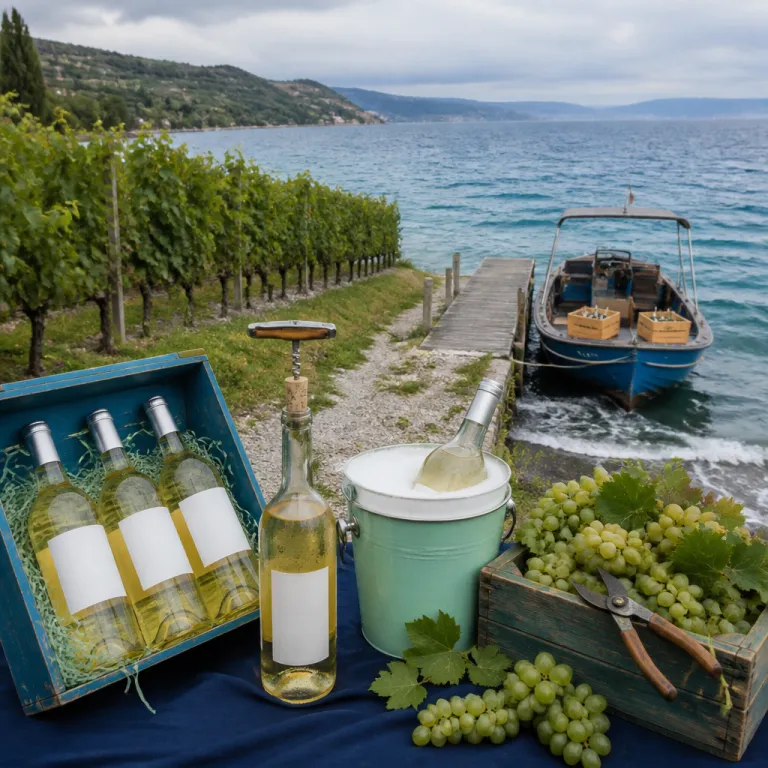
Lugana white wine as a strategic tourism product for destinations
Lugana white wine offers destination management organisations and regional tourism agencies a precise, high value product around which to structure premium visitor experiences. This white wine from the southern shores of Lake Garda in Lombardy, Italy, is regulated under the Lugana DOC, giving destination managers a clear quality framework to communicate to international and domestic travellers. Because Lugana wine is produced in both still Lugana DOC and longer aged Lugana Riserva styles, it allows regions to design tiered experiences that speak to different budgets and expectations.
The terroir between Lombardy and the Veneto region, close to Lake Garda, shapes the character of Lugana wines and gives tourism narratives a strong geographical anchor. The Turbiana grape, historically linked to Verdicchio yet now recognised as distinct, underpins the identity of every Lugana white and connects storytelling about vineyards, soils and microclimates to concrete tasting notes. When tourism offices explain that Lugana is a white wine from northern Italy and that Lugana wine's flavor notes are white peach, citrus and floral hints, they translate technical data into sensory promises that visitors can immediately understand.
For destination strategists, the controlled designation Lugana DOC is not only a legal label but a ready made content asset for campaigns, maps and guided tours. The presence of established producers such as Zenato, Tenuta Roveglia, Famiglia Olivini, Doc Ottella and Cà dei Frati creates a dense network of wine tourism partners within a compact area near Sirmione. This concentration of wineries, each bottling several Lugana wines and Lugana Superiore or Lugana Riserva cuvées, enables the design of short radius itineraries that minimise transport time while maximising contact with local actors.
Designing Lugana wine routes as flagship tourism infrastructure
Building a structured Lugana white wine route turns dispersed wineries into a coherent tourism product that local tourism boards can market internationally. Around Lake Garda, the proximity of vineyards in Sirmione, San Benedetto and Desenzano del Garda allows agencies to propose half day circuits focused on a single grape, Turbiana, yet with diverse expressions. By integrating both entry level Lugana DOC white and more complex Lugana Superiore or Lugana Riserva wines, routes can address first time visitors and seasoned wine travellers in parallel.
Destination developers should treat each wine estate as a micro hub within a larger regional infrastructure, rather than as isolated points of sale. A route that links Tenuta Roveglia, Famiglia Olivini and Cà dei Frati, for example, can highlight differences in soil, winemaking methods and bottle aging, while still reinforcing the shared identity of Lugana wine from Lombardy, Italy. Including producers known for specific labels such as Doc Zenato, Doc Tenuta or Doc Ottella helps visitors remember names and associate them with particular styles of white wines from the lake.
To position these routes in the premium segment, tourism boards can benchmark against other European wine destinations that have structured high value itineraries, such as those analysed in this reference on designing a wine tour strategy for high value regional tourism. Clear cartography, multilingual signage and coordinated opening hours transform a simple list of wineries into genuine tourism infrastructure. When visitors can move easily between estates, taste several Lugana wines and purchase bottles at transparent price points, the region captures both immediate revenue and long term loyalty.
From vineyard to glass: structuring experiences around Turbiana and Lugana DOC
The production process of Lugana white wine offers rich material for experiential tourism that goes far beyond a standard tasting. Hand harvesting of the Turbiana grape, fermentation in steel tanks and aging on fine lees can be staged as educational moments that give visitors a sense of craftsmanship. When wineries explain why some wines mature in oak barrels to become Lugana Riserva while others remain fresher as classic Lugana DOC white, guests perceive the added value behind each bottle and each price.
Tourism offices can work with the Lugana DOC Consortium and local producers to design interpretive tools that clarify technical terms without diluting their meaning. Panels that show the difference between Turbiana and Verdicchio, or that map the influence of Lake Garda on temperature and humidity, help visitors connect the yellow color in the glass to the landscape they see around them. Guided walks through vineyards near Sirmione or San Benedetto del Garda, followed by structured tastings of several white wines, turn abstract notions of terroir into concrete sensations.
Events programming is a powerful lever to transform these elements into recurring tourism infrastructure rather than one off activities. A calendar of seasonal festivals around Lugana wines, food pairings with lake fish and white meats, and vertical tastings of Lugana Superiore or Lugana Riserva vintages can anchor shoulder season visitation. Destinations that invest in such programming, as analysed in this article on events as tourism infrastructure, tend to outperform those that rely only on landscape marketing.
Integrating Lugana white wine into broader regional tourism ecosystems
For regional authorities and elected officials, Lugana white wine should be positioned as one pillar within a diversified tourism portfolio rather than as a stand alone attraction. The southern shores of Lake Garda already attract visitors for water sports, wellness and heritage in towns such as Sirmione, so wine tourism products must complement rather than compete with these assets. Bundling tastings of Lugana wines with spa experiences, boat tours on Lake Garda or cultural visits in the Lombardy region creates higher value packages that lengthen stays.
Regional development agencies can facilitate cross sector partnerships that connect wineries with hotels, restaurants and mobility providers. A hotel in San Benedetto del Garda, for instance, might offer a Lugana white themed stay including a guided visit to Tenuta Roveglia, a dinner pairing Lugana wines with local fish and a bottle of Lugana Superiore as a take home gift. Restaurants can highlight producers such as Zenato, Famiglia Olivini or Cà dei Frati on curated wine lists, explaining the difference between Lugana DOC labels and other Italian white wines from regions like Friuli or Sicily.
To ensure long term sustainability, destinations should align Lugana wine tourism with regenerative principles rather than simple volume growth, as discussed in this analysis of benchmarks separating serious destinations from greenwash. Encouraging visitors to travel by train to Lombardy, promoting low impact mobility between wineries and supporting biodiversity in vineyards all contribute to a coherent narrative. When tourism offices communicate how the Lugana DOC Consortium and local estates protect both the lake and the grape, they reinforce trust and justify premium positioning.
Economic models, pricing strategies and value capture around Lugana wines
For local governments and private tourism actors, understanding the economics of Lugana white wine is essential to design viable products and partnerships. Publicly available figures from the Consorzio Tutela Lugana DOC indicate that the Lugana DOC area produces on the order of tens of millions of bottles annually, which gives a solid base for forecasting visitor flows and potential sales. Because Lugana wines range from fresh entry level cuvées to structured Lugana Riserva and Lugana Superiore, price points can be calibrated to different market segments without diluting the overall image.
Destination managers should encourage wineries to present transparent pricing ladders that help visitors understand the relationship between production methods and the final price of each bottle. A tasting flight might start with a classic Lugana DOC white, move to a Lugana Superiore aged longer on lees, then finish with a Lugana Riserva partially matured in oak, with clear explanations of why each wine costs more. When estates such as Zenato, Tenuta Roveglia, Famiglia Olivini or Doc Ottella articulate these differences, they support not only their own sales but also the perceived value of the entire region.
Tourism packages can integrate Lugana wine in ways that distribute revenue fairly along the value chain. A premium tour could include transport from a hotel in San Benedetto, guided visits to two estates like Cà dei Frati and Benedetto Lugana, a lunch featuring local white wines and lake fish, and a small allocation of bottles per person. Tourism boards can negotiate commissions that reward quality rather than volume, ensuring that the economic benefits of Lugana DOC tourism remain aligned with environmental and cultural preservation.
Brand architecture and storytelling for Lugana DOC destinations
Building a coherent brand around Lugana white wine requires careful coordination between tourism offices, the Lugana DOC Consortium and individual producers. The core narrative should link the Turbiana grape, the moderating influence of Lake Garda and the distinctive yellow color of the wines into a simple, memorable promise. Visual identity elements can draw on the lake’s palette, the contours of the Lombardy region and the elegant silhouette of a Lugana DOC bottle to create recognisable signage and digital content.
Storytelling must balance the diversity of estates such as Zenato, Tenuta Roveglia, Famiglia Olivini, Doc Tenuta, Doc Zenato, Doc Ottella, Cà dei Frati and Benedetto Lugana with a shared sense of place. One approach is to structure communication around thematic families of wines, for example “lake breeze” Lugana white styles, gastronomic Lugana Superiore cuvées and contemplative Lugana Riserva bottlings. Within each family, visitors can explore different producers while remaining within a clear flavour and price universe that tourism offices help to explain.
Digital tools allow destinations to extend this storytelling before and after the visit, reinforcing loyalty and repeat travel. Interactive maps can show where each Lugana wine is produced around Lake Garda, while short videos from winemakers in Sirmione or San Benedetto del Garda explain how they work with the Turbiana grape. When all actors communicate consistently that Lugana is a white wine from northern Italy, produced on the southern shores of Lake Garda, and that Lugana wine's flavor notes are white peach, citrus and floral hints, they build a strong, credible brand that supports both tourism development and long term sales.
Key figures for Lugana white wine and tourism development
- Public data from the Consorzio Tutela Lugana DOC show that Lugana white wine production has reached several tens of millions of bottles in recent years, giving destinations a substantial base for structured wine tourism offers.
- Serving temperatures for Lugana wines are typically between 8 °C and 10 °C, which tourism offices can highlight in educational materials to improve visitor tasting experiences in restaurants and wineries.
- The main grape used in Lugana wine is Turbiana, historically linked to Verdicchio, and this single variety focus simplifies storytelling for tourism professionals designing thematic routes.
- Lugana white wines are produced along the southern shores of Lake Garda in northern Italy, primarily in the Lombardy region, which allows destinations to integrate wine tourism with existing lake and wellness products.
- Recent production trends published by the Lugana DOC Consortium indicate rising global demand for Lugana wines, which supports investment in new tourism infrastructure such as visitor centres, tasting rooms and vineyard trails.
FAQ about Lugana white wine for tourism professionals
What grape is used in Lugana wine, and why does it matter for tourism ?
Lugana wine is made from the Turbiana grape, a variety closely associated with the shores of Lake Garda in Lombardy, Italy. For tourism professionals, this mono varietal identity simplifies communication and allows the design of educational experiences focused on one grape from vineyard to glass. Visitors can taste how Turbiana expresses itself in different Lugana DOC styles, from fresh Lugana white to structured Lugana Riserva.
Where is Lugana white wine produced, and how can destinations leverage this location ?
Lugana white wine is produced on the southern shores of Lake Garda, between Lombardy and the Veneto region in northern Italy. This lakeside setting already attracts leisure visitors, so tourism offices can easily integrate winery visits into existing beach, spa and cultural itineraries. Short travel distances between towns such as Sirmione and San Benedetto del Garda make it simple to organise half day or full day wine routes.
How should Lugana wines be served in restaurants and tasting rooms ?
Lugana wines should be served chilled, ideally between 8 °C and 10 °C, to highlight their aromas of white peach, citrus and floral notes. Tourism professionals can include this information in training for restaurant staff and guides to ensure consistent quality of service. Proper serving temperature reinforces the premium positioning of Lugana DOC wines and enhances visitor satisfaction.
What foods pair best with Lugana white wines in destination restaurants ?
Lugana white wines pair particularly well with fish from Lake Garda, white meats and fresh cheeses, which gives local gastronomy a clear direction. Restaurants can design menus that showcase these pairings, for example grilled lake fish with a glass of Lugana Superiore or soft cheeses with a younger Lugana white. Such combinations strengthen the link between local products and the regional wine identity.
How can tourism offices start building a Lugana wine tourism offer ?
Tourism offices can begin by mapping all Lugana DOC producers in their area, including estates such as Zenato, Tenuta Roveglia, Famiglia Olivini, Doc Ottella, Doc Tenuta, Doc Zenato, Cà dei Frati and Benedetto Lugana. The next step is to convene these actors with hoteliers, restaurateurs and transport providers to co design simple itineraries and packages. Clear communication about Turbiana, Lake Garda and the different Lugana wines styles will then help position the offer on international markets.