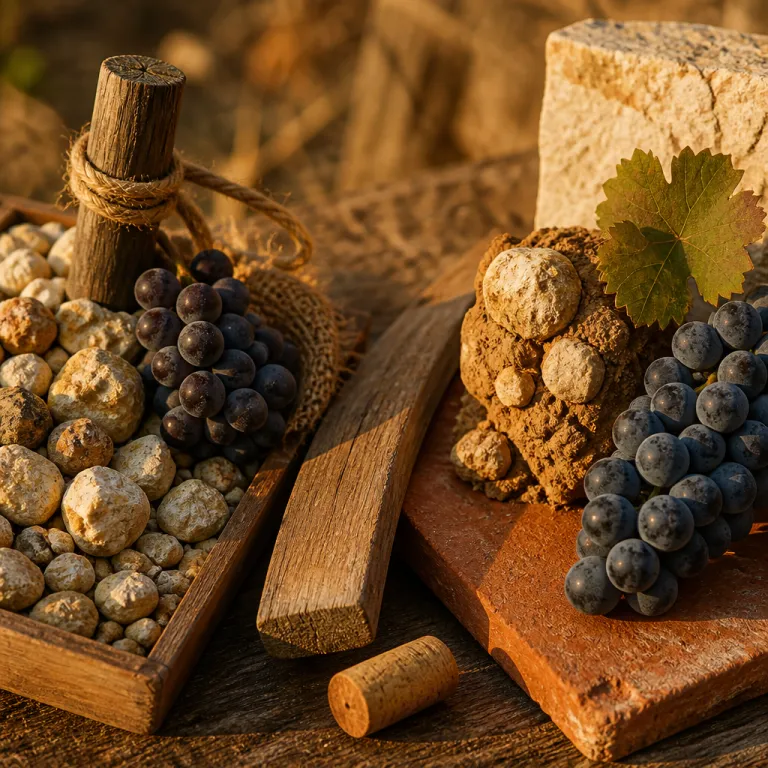
Section 1 – Turning “Bordeaux left bank vs right bank” into a territorial narrative
For tourism boards, the debate around Bordeaux left bank vs right bank is far more than a wine lover’s question. It is a ready made framework to structure tourism product development across the wider Bordeaux region and to articulate clear promises for different visitor segments. When offices de tourisme and regional agencies treat each bank of Bordeaux as a distinct but complementary destination, they gain a powerful tool to shape itineraries, manage flows, and increase value per stay across the metropolitan area.
The Left Bank is historically associated with Cabernet Sauvignon dominant blends, while the Right Bank is known for Merlot dominant wines that feel softer and more approachable. This simple contrast between left and right already gives tourism marketers a strong storyline to explain grape varieties, soil types, and styles of red wines to both experts and curious beginners. When you frame the choice as “Left Bank Bordeaux for structure and ageing potential versus Right Bank for roundness and charm”, you help visitors understand why they should plan time on both sides of the river and how each bank delivers a different style of Bordeaux wine tourism.
From a product design perspective, the Left Bank and Right Bank function like two complementary tourism regions within the same metropolitan area of Bordeaux. The Left Bank stretches through the Médoc and Pessac Léognan, with large châteaux, classified estates, and long straight vineyard roads that suit coach tours and premium cycling routes. The Right Bank around Saint Émilion and Pomerol offers smaller estates, medieval streets, and more intimate tastings that work beautifully for small groups and high end private guides, especially for Bordeaux winery day trips that start and end in the city centre.
To make this territorial narrative concrete, a tourism board might position the Left Bank as “Bordeaux grand châteaux country” and the Right Bank as “Bordeaux village and vineyard hills”, using this contrast consistently in brochures, websites, and trade presentations aimed at international tour operators. A simple internal comparison grid—Left Bank for grand architecture and linear routes, Right Bank for village life and walking circuits—can help teams keep messaging coherent across all channels.
Section 2 – Structuring wine tourism products around appellations and classification systems
For destination managers, the famous Bordeaux classification systems are not only about wine prestige; they are ready made layers for tourism product segmentation. The historic 1855 cru classé classification on the Left Bank, the later Saint Émilion grand cru hierarchy, and the reputation of Pomerol estates together create a clear ladder of experiences and price points. By mapping these classifications to specific visitor profiles, offices de tourisme can curate themed routes that feel coherent and easy to understand, from introductory tastings to high end Bordeaux wine tours.
On the Left Bank, Médoc and Pessac Léognan appellations concentrate many cru classé estates where Cabernet Sauvignon leads the blends, often supported by Merlot and Cabernet Franc. These châteaux usually have the scale, staff, and infrastructure to welcome larger groups, host professional tastings of Bordeaux wines, and integrate cultural programming such as art exhibitions or architecture tours. They are natural anchors for flagship “Bordeaux wine” experiences that combine vineyard visits, cellar tours, and educational sessions about grape varieties and the classification system, especially for coach operators and incentive travel planners.
On the Right Bank, Saint Émilion and its surrounding appellations offer a different reading of Bordeaux wine culture, with Merlot Cabernet blends dominating and smaller family estates shaping the landscape. Here, the grand cru and grand cru classé labels can be translated into premium but intimate visits, where the focus is on human stories, village heritage, and the tactile experience of walking ancient limestone streets. Tourism boards can take inspiration from international models of high value wine events, such as the way a dedicated festival can anchor tourism product development, as analysed in a case study on a wine festival as a development anchor, while adapting these ideas to the scale of local appellations.
To support factual accuracy, destination managers should reference official sources such as the Conseil Interprofessionnel du Vin de Bordeaux (CIVB) and the Union des Grands Crus de Bordeaux when presenting appellation boundaries, classification dates, and the number of classified growths in visitor materials. Internal fact sheets can summarise key figures—such as approximate counts of classified estates per appellation—so that all partners share the same verified baseline.
Section 3 – Designing contrasting yet complementary visitor journeys on each bank
When you compare Bordeaux left bank vs right bank from a visitor journey perspective, the contrast becomes a design asset. The Left Bank lends itself to linear itineraries along the Gironde estuary, where coaches or self drive visitors move from one château to another through Médoc or Pessac Léognan. The Right Bank, by contrast, invites circular exploration around Saint Émilion and Pomerol, mixing vineyard visits with time in the village and short walks through the surrounding countryside, which suits small groups and independent travellers seeking slower Bordeaux winery day trips.
For group travel and MICE segments, Left Bank itineraries can highlight large estates with extensive reception spaces, structured tastings of red wines, and clear storytelling around Cabernet Sauvignon and the 1855 classification. These products can integrate technical modules on viticulture and winemaking, using the contrast between Cabernet and Merlot to explain how grape varieties shape style, tannins, and ageing potential. The quote “Left Bank wines are more tannic; Right Bank wines are softer.” becomes a simple educational hook that guides the entire tasting narrative and helps non specialists remember the key differences.
On the Right Bank, tourism professionals can build slower, more immersive products that emphasise walking, heritage, and encounters with smaller family owned estates. Saint Émilion’s monolithic church, its underground cellars, and the mosaic of appellations around the village provide multiple touchpoints to connect wine, history, and landscape. For high value individual travellers, pairing these visits with curated food experiences and comparative tastings of wines left and wines right can echo international best practices in culinary tourism, similar to the approach analysed in a case study on a food and wine festival as a development anchor, while keeping group sizes deliberately limited.
A concrete example is a two day sample itinerary for international visitors: Day 1 on the Left Bank, with a morning train or tram from central Bordeaux to a Médoc departure point (around 40–60 minutes door to door), followed by two classified growth visits and a three course lunch at a château (mid range price band of approximately €120–€180 per person, excluding transport). Day 2 on the Right Bank, with a short regional train ride to Saint Émilion of roughly 35 minutes, a guided village tour, one grand cru classé tasting, and one family estate visit, positioned in a similar price range but marketed as a more intimate, small group experience.
Section 4 – Integrating grape varieties and winemaking into educational tourism content
Offices de tourisme and regional agencies have a unique opportunity to turn technical wine knowledge into accessible, engaging content for visitors. The clear contrast between Cabernet Sauvignon dominated blends on the Left Bank and Merlot dominated blends on the Right Bank makes Bordeaux left bank vs right bank an ideal educational framework. By structuring visits around grape varieties, soil types, and winemaking choices, destinations can position themselves as reference points for wine education in Europe and for professional training trips focused on Bordeaux wine tourism.
On the Left Bank, Médoc and Pessac Léognan provide textbook examples of Cabernet Sauvignon thriving on gravelly soils, often blended with Merlot and Cabernet Franc to create structured red wines. Guided tastings can show how Cabernet driven Bordeaux wines feel more tannic in youth, with aromas of blackcurrant, cedar, and graphite that evolve beautifully with time. Visitors can be invited to compare these wines left of the river with softer, rounder wines right of the river, where Merlot and sometimes Cabernet Franc dominate the blends and where texture often feels more velvety.
On the Right Bank, Saint Émilion and Pomerol are perfect classrooms for explaining how Merlot and Cabernet Franc behave on clay and limestone soils. Here, tourism products can focus on texture, fruit profile, and approachability, showing how Right Bank Bordeaux wine often feels ready to drink earlier than many Left Bank counterparts. Educational materials, from maps to tasting sheets, should clearly label each bank, appellations, and grape composition, helping visitors remember not only the names of châteaux and estates but also the underlying logic of the region and the way terroir shapes style.
To increase credibility, tourism professionals can integrate short, sourced quotes from local winemakers or oenologists explaining why Cabernet Sauvignon dominates on gravel and Merlot on clay limestone, citing interviews or official appellation guides produced by Bordeaux wine institutions. A brief sidebar with one or two local voices can make training documents and visitor brochures feel more grounded and distinctive.
Section 5 – Building integrated regional strategies around both banks
For collectivités and élus, the strategic question is not Left Bank or Right Bank, but how to orchestrate both as parts of a single regional tourism system. The metropolitan area of Bordeaux, with its two historic wine regions on either side of the Garonne and Dordogne, offers a rare opportunity to design complementary products that extend length of stay. When regional agencies coordinate messaging, transport, and infrastructure across both banks, they can shift the visitor mindset from a day trip to a multi day exploration and support more balanced territorial development.
Transport planning is central to this integrated approach, because the perceived distance between left and right banks often shapes visitor behaviour more than the actual kilometres. Clear information on train links, shuttle services, cycling routes, and river crossings can make it easy to combine Médoc, Pessac Léognan, Saint Émilion, and Pomerol in a single stay. Investment in wayfinding, digital maps, and multilingual content helps visitors understand how the different appellations and classification systems fit together within the wider Bordeaux region, and how simple it is to move from one bank to the other in under an hour.
For private tourism actors, joint products that explicitly stage Bordeaux left bank vs right bank comparisons can create strong added value. Tour operators can design packages where one day focuses on grand cru classé estates of the Left Bank, while the next day highlights grand cru properties around Saint Émilion and boutique estates in Pomerol. Regional strategies can also connect wine tourism with other forms of territorial development, taking inspiration from analyses of how real estate investment can support long term tourism growth, such as the approach described in a case study on real estate and tourism growth, and adapting these lessons to local planning priorities.
In stakeholder workshops, regional agencies can use simple, verifiable indicators—average length of stay, spend per visitor, and seasonal occupancy rates on each bank—to track whether integrated Left Bank–Right Bank products are effectively spreading benefits across the territory. Regularly updated dashboards, drawing on data from accommodation providers and visitor surveys, can help refine itineraries and marketing messages over time.
Section 6 – From wine regions to holistic destination brands
As global competition between wine regions intensifies, Bordeaux cannot rely solely on the fame of its wines to attract high value visitors. The nuanced story of Bordeaux left bank vs right bank must be embedded in a broader destination brand that includes culture, gastronomy, landscapes, and sustainable practices. Offices de tourisme and regional agencies are best placed to orchestrate this shift, working with châteaux, estates, and wider hospitality actors to create coherent narratives that resonate with both trade partners and independent travellers.
On the Left Bank, the image of grand avenues, architectural châteaux, and historic cru classé estates can be linked with contemporary art, cycling tourism, and river based experiences along the Gironde. On the Right Bank, the medieval charm of Saint Émilion, the intimacy of Pomerol, and the mosaic of small appellations can be associated with slow tourism, walking routes, and village based gastronomy. Both banks can integrate messages about sustainable viticulture, biodiversity, and responsible wine consumption, aligning the Bordeaux wine brand with broader expectations around environmental and social responsibility and with emerging demand for low impact travel.
For elected officials and private tourism stakeholders, the key is to treat each bank not as a rival but as a complementary pillar of a single, strong Bordeaux brand. Joint campaigns can highlight how visitors who experience both banks gain a deeper understanding of grape varieties, classification systems, and the cultural history of the region. By aligning infrastructure investment, training, and marketing around this dual identity, the destination can turn the classic debate of Bordeaux Left Bank versus Bordeaux Right Bank into a long term asset for tourism development and a clear differentiator in the global wine tourism market.
Key figures for positioning Bordeaux’s left and right banks
- There are 7 major appellations on the Left Bank of Bordeaux, according to Decanter’s overview of Bordeaux regions, which helps tourism boards structure clear thematic routes for visitors. Tourism professionals should cross check these counts with official Bordeaux wine bodies for the latest classifications and any recent boundary adjustments.
- The Right Bank counts 8 recognised appellations in the Bordeaux region in the same Decanter summary, offering slightly more diversity in small scale, village centred experiences. Again, local institutions such as the Saint Émilion wine council can provide up to date confirmation and detailed maps for visitor use.
- Left Bank wines are more tannic; Right Bank wines are softer. This simple contrast, frequently cited in introductory Bordeaux guides and trade training materials, provides an accessible educational message for international visitors unfamiliar with Bordeaux wines and supports clear tasting notes in tourism brochures.
- The metropolitan area of Bordeaux sits at approximately 44.84° N and 0.58° W, placing both banks within easy reach of an international airport and high speed rail connections, as confirmed by standard geographic and transport data for the city. Typical travel times from central Bordeaux to key wine villages range from about 30 to 60 minutes by road or rail.
- Growing interest in Right Bank wines, noted in trade press coverage of recent vintages and auction results, combined with ongoing investment in sustainable viticulture, creates new opportunities for tourism products that combine wine education and environmental awareness. Tourism boards can monitor visitor numbers and cellar door sales to quantify this trend over time.
FAQ – Bordeaux left bank vs right bank for tourism professionals
What is the main grape used on the Left Bank of Bordeaux ?
The dominant grape on the Left Bank of Bordeaux is Cabernet Sauvignon, particularly in appellations such as Médoc and Pessac Léognan. It is usually blended with Merlot and sometimes Cabernet Franc to create structured red wines with strong ageing potential. This profile makes Left Bank estates ideal for educational tastings focused on tannins and cellar ageing, especially for visitors interested in classic Bordeaux wine styles.
What is the main grape used on the Right Bank of Bordeaux ?
The main grape on the Right Bank of Bordeaux is Merlot, especially around Saint Émilion and Pomerol. Merlot is often supported by Cabernet Franc, producing softer, rounder wines that are approachable earlier in their life. This style suits tourism products aimed at visitors who are new to Bordeaux wines and prefer fruit forward profiles that are easy to enjoy during a short stay.
How do Left Bank and Right Bank wines differ in style for visitors ?
Left Bank wines tend to be more tannic, structured, and built for ageing, which appeals to connoisseurs interested in cellar potential and classic Bordeaux wine profiles. Right Bank wines are generally softer and more supple, with a focus on Merlot driven fruit and texture that many visitors find immediately enjoyable. For tourism boards, this contrast is a useful way to design comparative tastings and themed itineraries that clearly explain Bordeaux left bank vs right bank in visitor friendly language.
Why should tourism boards promote both banks instead of focusing on one ?
Promoting both banks allows destinations to extend visitor stays and diversify experiences within the same region. The Left Bank offers large châteaux, grand cru classé estates, and linear routes, while the Right Bank provides medieval villages, smaller estates, and more intimate encounters. Combining both in a single narrative strengthens the overall Bordeaux brand and spreads economic benefits across a wider territory, supporting local businesses on each side of the river.
How can offices de tourisme integrate classification systems into tourism products ?
Offices de tourisme can use the 1855 cru classé system, the Saint Émilion grand cru hierarchy, and the reputation of Pomerol estates as clear markers of experience levels and price points. These labels can structure themed routes, from introductory tastings at accessible estates to premium visits at top classified properties. Clear explanations of each classification system in visitor materials help transform technical wine information into engaging, memorable tourism content and make Bordeaux winery day trips easier to market to international partners.