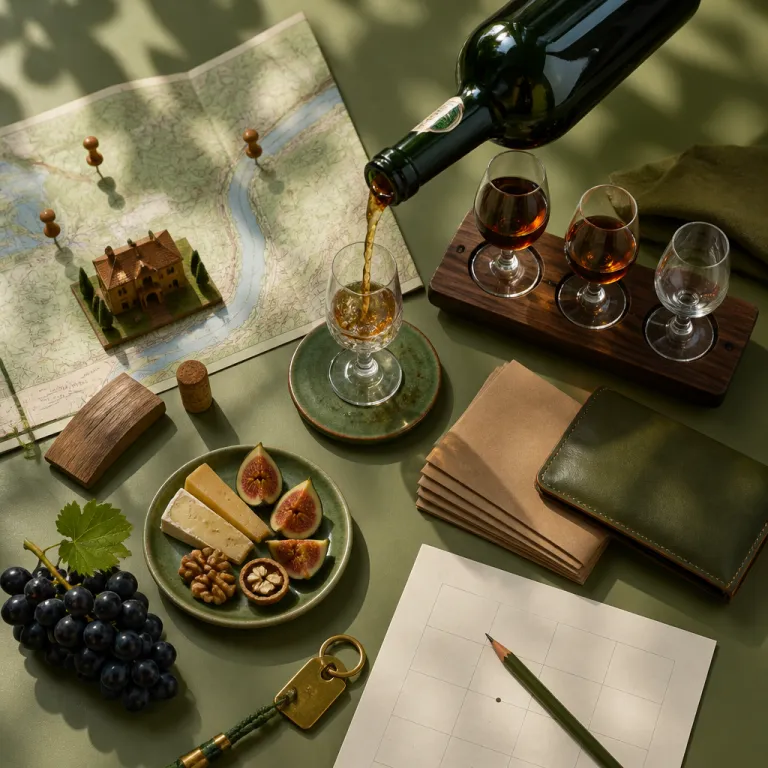
Vinho do Porto as a strategic anchor for territorial tourism products
For destination managers, vinho do Porto is far more than a sweet fortified wine from Portugal; it is a complete narrative framework for premium tourism product development. By structuring experiences around port wine, from vineyard to bottle, offices de tourisme can connect landscapes, heritage and contemporary hospitality into one coherent offer. This approach turns the Douro Valley model into a transferable blueprint for regions seeking higher value visitors and longer stays.
The demarcated Douro region, formally established in 1756 under the Marquis of Pombal, shows how a single product category, namely port wines, can shape an entire destination identity along the Douro River. From steep terraces of Touriga Nacional grapes to centuries-old port houses in Porto and Vila Nova de Gaia, every stage of production becomes a tourism touchpoint. When these touchpoints are curated with clear indication of age, style and vintage, visitors start to understand not only the quality of the wines but also the depth of the territory that produces them.
For European regions, the lesson is clear: a strong flagship product such as vintage port or tawny port can justify investment in infrastructure, interpretation and mobility. Offices de tourisme can work with producers of vinho do Porto and other port houses to design routes that highlight aged wines, barrels of port in cellars and the cultural ties between Portuguese and British trading histories. This type of product development requires rigorous standards, but it rewards destinations with higher average spend and a more resilient visitor economy.
Designing layered visitor journeys around the Douro Valley model
The Douro Valley demonstrates how layered visitor journeys can be built around vinho do Porto, combining landscape immersion, cellar visits and urban culture. A typical itinerary might start among the grapes on steep schist slopes, continue by boat along the Douro River, and finish in a historic port house in Vila Nova de Gaia. Each step adds a new understanding of how wines are aged, bottled and traded, while also distributing visitor flows across the region.
For destinations outside Portugal, the key is to emulate the structure of the experience anchored in a strong local equivalent to port wine rather than simply copying the product. The Château de Cassis case, for instance, shows how a single heritage site can anchor high value tourism product development in Provence, in a way comparable to how a leading port house such as Taylor’s or Graham’s anchors visits in Porto. In Cassis, the restoration of the château and its vineyards helped increase average visitor spend in the commune by an estimated 15–20% between 2015 and 2019, while length of stay for wine-motivated travellers rose from roughly one to almost two nights, illustrating how a focused enotourism offer can reshape local tourism performance.
Visitor journeys should be designed with clear progression in complexity, starting with simple tastings of white wines or entry-level ports and moving towards masterclasses on vintage ports and late bottled styles. Offices de tourisme can work with producers to explain why some bottles are released after three years while others remain in barrels of port for decades to reach a specific indication of age. In practice, basic ruby blends are usually bottled young after a minimum of around two to three years in large vats, late bottled vintage (LBV) ports typically age four to six years in wood before release, and classic declared vintage ports are bottled after about two years and then mature for decades in bottle. This educational arc transforms casual interest in Portuguese wine into a deeper appreciation of the craftsmanship behind each bottled vintage and the years of labour invested in every bottle.
From cellars to city: integrating vinho do Porto into urban tourism products
Urban destinations such as Porto and Vila Nova de Gaia illustrate how vinho do Porto can be integrated into city breaks, conferences and cultural tourism. The historic cellars of Vila Nova de Gaia, where barrels of port rest under cool stone arches, are already iconic attractions, yet they can be further developed as multi-layer experiences. Offices de tourisme can encourage port houses like Sandeman, Taylor’s or Graham’s to combine tastings of tawny port and vintage port with architecture tours, riverfront walks and gastronomy pairings.
For other European cities, the model suggests creating urban clusters where a flagship product such as port wine is experienced through multiple venues and formats. The way coastal villas structure premium stays in Saint Tropez, as shown by high value coastal tourism products, offers a parallel to how a network of tasting rooms and boutique hotels can elevate the perception of porto-based experiences. When visitors can move easily between a design hotel, a contemporary wine bar serving white port cocktails and a museum explaining the British influence on port trade, the city becomes a living showcase of its signature wines.
To maximise impact, urban tourism products should highlight both the historic and modern faces of vinho do Porto, from traditional granite lagares to innovative enotourism spaces. Storylines can explain how grapes from the Douro Valley travel down the Douro River to be blended, aged and bottled in the city, linking rural and urban economies. This integration allows offices de tourisme to position their cities as gateways to wider wine regions, rather than as isolated urban stops.
Building partnerships between tourism boards and the vinho do Porto ecosystem
Effective tourism product development around vinho do Porto depends on structured partnerships between offices de tourisme, producers and regulators. The Instituto dos Vinhos do Douro e do Porto (IVDP) provides a robust framework for certification and indication of age, which tourism actors can translate into clear visitor messaging. According to IVDP technical documentation, port wines must come from the demarcated Douro region and respect authorised grape varieties, minimum ageing periods and labelling rules, including categories such as 10, 20, 30 and 40-year-old tawny port based on sensory assessment of average age.
Regional tourism boards should convene regular working groups with producers of port wine, logistics operators on the Douro River and cultural institutions in Porto and Vila Nova de Gaia. These groups can coordinate calendars for harvest events, vintage port releases and educational programmes that explain why some wines are bottled young while others are aged for many years in barrels of port. Such coordination ensures that tourism campaigns reflect real production cycles, reinforcing authenticity and trust.
Partnerships should also extend to international markets, especially where British and other European consumers already have strong awareness of Portuguese wines. Joint campaigns can highlight the full spectrum of port wines, from fresh white port aperitifs to complex aged tawny port and rare port vintage bottlings. When tourism boards and port houses speak with one voice about vinho do Porto, they strengthen the destination brand and support higher value visitation.
Quality, regulation and sustainability as levers for premium positioning
The regulated nature of vinho do Porto is a powerful asset for destinations seeking to position themselves on quality and sustainability. Clear rules on origin in the Douro Valley, grape varieties such as Touriga Nacional and minimum ageing periods give offices de tourisme credible content for interpretation centres and guided tours. Visitors increasingly value transparency about where grapes are grown, how wines are aged and why indication of age on a bottle matters.
Destination managers can integrate these regulatory elements into broader sustainability narratives, linking controlled production of port wine to landscape preservation along the Douro River. With around 45 000 hectares of vineyards in the Douro, based on IVDP and Portuguese agricultural statistics, careful management of terraces, water and soil is essential to maintain both wine quality and scenic value. Tourism products that explain how barrels of port and bottled vintage wines depend on healthy vineyards help visitors understand the real cost of environmental degradation.
To reinforce credibility, regional boards can align their enotourism strategies with recognised destination sustainability certifications, using independent frameworks to validate claims. Guidance on which certifications are worth earning for regional boards can help offices de tourisme prioritise labels that genuinely reflect responsible management rather than marketing alone. When visitors see that the same rigour applied to classifying vintage ports is also applied to sustainability, their trust in the destination deepens.
Practical steps for offices de tourisme to structure vinho do Porto based products
Turning the potential of vinho do Porto into concrete tourism products requires a clear roadmap for offices de tourisme and regional agencies. The first step is to map all relevant actors, from small family-owned port houses to major producers, logistics operators on the Douro River and cultural venues in Porto and Vila Nova de Gaia. This mapping should identify where visitors can see grapes, barrels of port, bottling lines and tasting rooms, ensuring a balanced distribution of experiences.
The second step is to design modular itineraries that can be sold as half-day, full-day or multi-day products, each combining different expressions of port wines. A short programme might focus on white port and entry-level ruby styles, while longer stays introduce aged tawny port, late bottled vintages and rare port vintage releases with clear indication of age. Offices de tourisme can provide training so that guides explain why some wines are bottled after three years and others only after many years in wood, using simple language without losing technical accuracy.
Finally, destinations should invest in interpretation tools that make the complexity of vinho do Porto accessible to non-experts, including digital maps, cellar signage and multilingual content. These tools can highlight the journey from the Douro Valley to Vila Nova de Gaia, the role of British merchants in shaping the style of port wine and the craftsmanship behind each bottle. When visitors leave with a clear understanding of how years of work and careful ageing create the fruit richness and balance they taste, they become ambassadors for both the wines and the destination.
Key figures for vinho do Porto and enotourism
- The average alcohol content of vinho do Porto is around 20% by volume, according to the Instituto dos Vinhos do Douro e do Porto and EU fortified wine regulations, which positions it clearly as a fortified wine rather than a standard table wine.
- The Douro region counts approximately 45 000 hectares of vineyards, based on IVDP data and Portuguese agricultural statistics, creating one of the largest continuous wine landscapes in Europe and a substantial base for enotourism development.
- The production of vinho do Porto has evolved from a local trade in the seventeenth century to a globally recognised category, with the demarcated Douro region formally established in the eighteenth century to protect quality and origin.
- Typical ageing requirements mean that basic ruby ports may be released after a minimum of roughly two to three years in large vats, while indicated age tawny port and top vintage ports can spend decades in barrels of port or in bottle before reaching the market, in line with IVDP guidelines on style and minimum maturation.
FAQ about vinho do Porto and tourism product development
What is vinho do Porto and how is it produced?
Vinho do Porto is a sweet fortified wine produced in the Douro region of Portugal, using grapes grown on steep terraces and then transported down the Douro River. Fermentation is interrupted with grape spirit to retain natural fruit sweetness, and the wines are then aged either in large vats, smaller barrels of port or in bottle depending on the desired style. This process creates a range of port wines, from youthful ruby to complex aged tawny port and long-lived vintage port.
Which main styles of port wine are most relevant for tourism products?
The most useful styles for tourism storytelling are white port, ruby, tawny port and vintage port, because each illustrates a different ageing path and flavour profile. White port works well for casual tastings and cocktails, while ruby and late bottled vintage ports show fresher fruit and structure. Tawny ports with indication of age and classic port vintage bottlings are ideal for premium experiences that highlight long ageing and craftsmanship.
How can offices de tourisme integrate vinho do Porto into regional itineraries?
Offices de tourisme can build itineraries that link vineyards in the Douro Valley, river cruises on the Douro River and cellar visits in Porto and Vila Nova de Gaia. By combining tastings of different port wines with cultural visits, gastronomy and landscape interpretation, they create multi-sensory experiences anchored in a single coherent theme. Partnerships with port houses, transport providers and local guides ensure that these products are both logistically feasible and economically beneficial for the territory.
What role does regulation play in the appeal of vinho do Porto for visitors?
Regulation by the Instituto dos Vinhos do Douro e do Porto guarantees origin, grape varieties and minimum ageing, which reassures visitors about quality and authenticity. Clear categories such as late bottled vintage, indicated age tawny port and classic port vintage help guests understand why some bottles cost more and are released after many years. This transparency supports premium pricing for tourism products and strengthens trust in the destination.
Why is enotourism around vinho do Porto growing in the Douro region?
Enotourism is growing because visitors are increasingly interested in authentic, place-based experiences that connect wine, landscape and culture. The Douro Valley offers dramatic scenery, historic terraces and iconic port houses, making it an ideal setting for immersive programmes around vinho do Porto and other Portuguese wines. As producers modernise visitor facilities while preserving traditional methods, the region becomes more accessible without losing the character that makes its wines unique.
"Vinho do Porto é um vinho fortificado doce produzido na região do Douro, Portugal."